
- NEWS
- the EDIT
- COMMENTARY
- BUSINESS
- LIFE
- SHOW
- ACTION
- GLOBAL GOALS
- SNAPS
- DYARYO TIRADA
- MORE
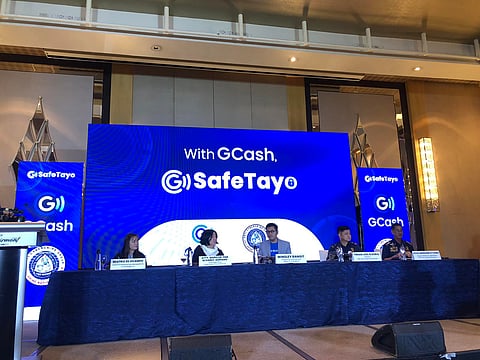
As Filipinos prepare to travel home to honor their departed loved ones this Undas, GCash is urging users to stay alert against a rise in online scams, particularly those that exploit the increased digital activity during the holiday period.
Miguel Geronilla, GCash chief information security officer, said the company is strengthening its security systems and user education to combat fraud. “As we commemorate this season of remembering our departed loved ones, digital safety remains a top priority. GCash continues to strengthen its systems and educate users to recognize and avoid scams, especially spoofing,” Geronilla said.
Spoofing is a common tactic where fraudsters disguise their identity, making messages, emails, or calls appear as if they originate from trusted sources like GCash or other official institutions.
These messages may look official, but their goal is to trick users into clicking malicious links or sharing sensitive information such as one-time passwords, or OTPs, mobile personal identification numbers, or MPINs, or account details.
GCash stressed that it will never send links via SMS, email, or chat apps. Users should never click suspicious links or share personal details like their OTP or MPIN. Fraudsters often pose as GCash agents offering “account verification” or “cashback,” but the company affirmed that it will never ask for an MPIN or OTP. Users should only transact through the official GCash app or verified channels on Facebook and Messenger.
The company also warned against fake pages and impersonators. Users should check for the verified blue checkmark on social media, as the only official page is GCash Official, and report any suspicious accounts. If a user receives a link claiming to fix an account issue, they should not click it. Instead, they should open the GCash app directly to verify any alerts or transactions, as external links often lead to phishing pages designed to steal login credentials.
