Homes for Bajaus
United Nations Educational, Scientific and Cultural Organization (UNESCO) project coordinator Nikka Loreto said the agency supported the inscription of six World Heritage Sites and four biosphere reserves in the Philippines.
The six are the baroque churches of the Philippines, the historic town of Vigan, the Cordillera rice terraces, the Puerto-Princesa Subterranean River National Park, the Tubbataha Reefs Natural Park, and the Mount Hamiguitan Range Wildlife Sanctuary.
The four UNESCO biospheres are Apayao, Albay, Palawan and Puerto Galera.
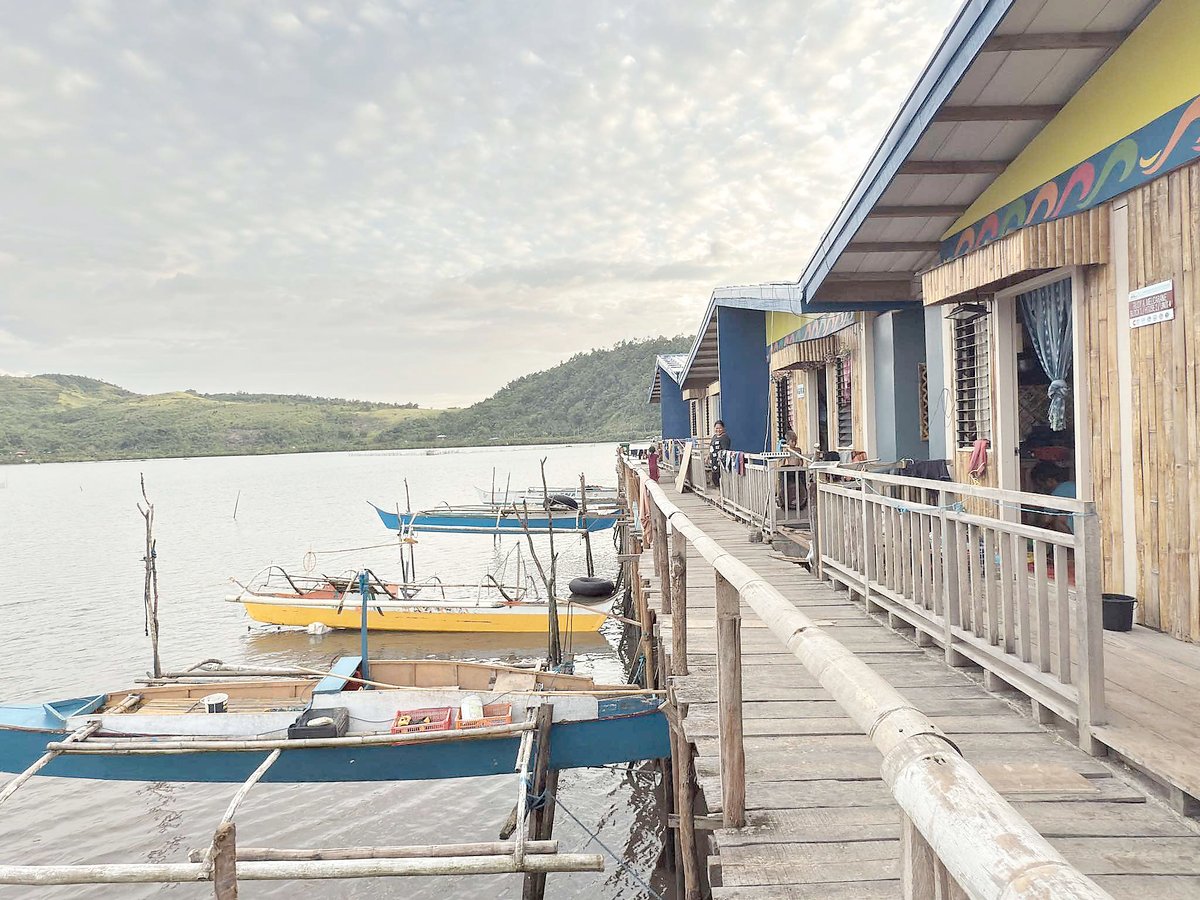
UN Habitat country program manager Cris Rollo said the agency helped build a relocation settlement for Sama Bajau families in Surigao City so they would be protected from storm. Rollo described the homes as quadruplex, concrete, including the stilts, and located in a cove chosen by the recipients themselves and in a mangrove that they will co-manage.
“So now, whenever there’s a storm, they don’t evacuate anymore. The other Bajaus that haven’t been transferred will also relocate there,” Rollo said.
The project called Huy-anan Nan Bajau, funded by the Spanish government, also have its own material recovery facility for managing household waste, a 5-chamber septic tank to filter toilet waste, and potable water system.
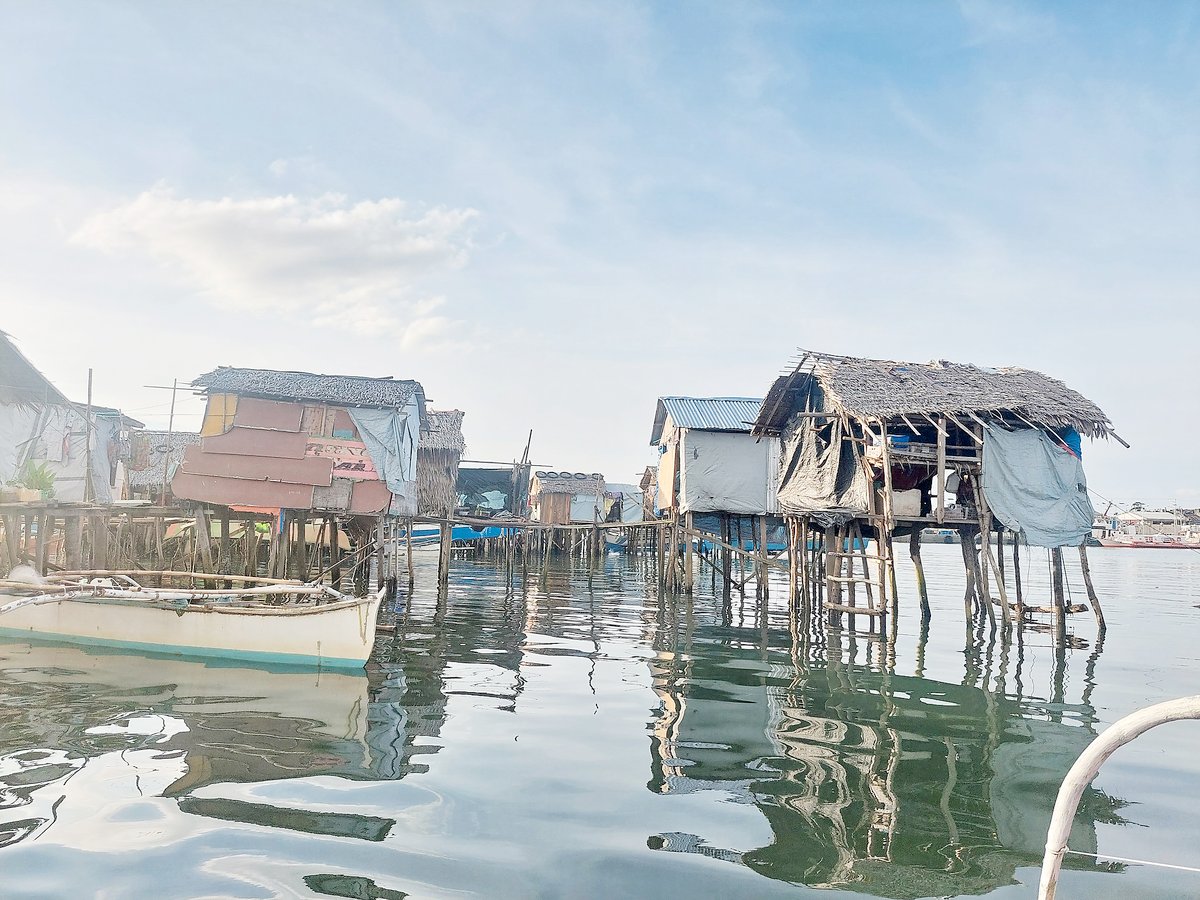
The septic tank filters waste so it would already be clean when discharged to the sea. In their old stilt homes, toilet waste goes straight into the sea through a hole on the floor, according to Rollo.
Maternal health
“We’ve really been investing a lot in strengthening interventions around immunization, so the Philippines has just recently been removed from the list of the top 10 countries with the highest number of zero-dose children,” United Nations International Children’s Emergency Fund officer-in-charge deputy representative Maya Faisal said, adding that children in need have access to vaccines.
Faisal added that UNICEF supported the passage of the First 1,000 Days Law and the Early Childhood and Care Development Law. In the first law, pregnant and lactating mothers under the 4Ps program receive grant to strengthen her and the baby’s health and nutrition.
In the second law enacted in May, children from birth to age five are given early education, nutrition and health assistance. It also professionalizes child development workers.
UN High Commissioner for Refugees national office head Ma. Ermina Valdeavilla-Gallardo cited the agency’s birth registration process for persons at risk of statelessness or those without nationality to ensure that they would have legal identity.
World Food Program (WFP) deputy country director Dipayan Bhattacharrya said the WFP supported the government’s Walang Gutom Program, wherein Electronic Benefit Transfer cards loaded with P3,000 worth of food credits are given to 4Ps beneficiaries for the purchase of select commodities from partner merchant stores.
Bhattacharrya added that WFP is working with the Department of Social Welfare and Development and Department of Agriculture (DA) to construct water harvesting systems and establish communal vegetable farms under the project called Lawa at Binhi.
FMD eradication
Office of the High Commission for Human Rights (OHCHR) senior advisor for the Philippines Signe Poulsen said her agency works on areas like freedom of expression, on the right to peaceful association and assembly, and on a range of other rights, of course. The OHCHR also build institutions so that prison systems or accountability, or judicial mechanisms are aligned with the Philippines’ obligations under international human rights standards and laws.
Food and Agriculture Organization national climate resilience into agriculture planning and training expert Dr. Jaime Montesur said FAO introduced the Farm Business School in the Department of Agrarian Reform and helped eradicate foot-and-mouth disease (FMD) in the country in 2011 by providing technical assistance to the DA.
UN Women country program coordinator Ma. Rosalyn Mesina said her agency helped the Philippine become one of the leading countries when it comes to adopting international commitments and laws on violence against women and children, as well as sexual harassment.
Mindanao peace
International Labor Organization senior program officer Ma. Concepcion Sardaña said ILO promoted equal opportunities, social protection, fundamental rights and principles of work, and freedom of association among workers. The agency also worked against child and forced labor, as well as for social dialogue, she added.
UN Development Program climate action team program lead Floradema Eleazar said UNDP continues to work to stabilize peace in the BARMM by engaging in livelihood development, economic activity, and small arms and light weapons collection. UNDP also supported the passage of the Indigenous Peoples’ Rights Act, which gave birth to the National Commission on Indigenous Peoples, she added.
UN Population Fund deputy country representative Roi Avena said the sexual and reproductive health agency continues to support the country in achieving its commitments and goals towards ending preventable maternal mortality, ending unmet need for family planning, ending gender-based violence and other harmful practices such as child early and forced marriage and unions, as well as ending adolescent pregnancies. The UNFPA also supported the government in the adoption of the Responsible Parenthood and Reproductive Health Law and the law on prohibition of child marriages and unions.
The UN accomplishments in the Philippines are not without challenges. Peral admitted that the gap between the needs to support countries in achieving the sustainable development goals (SDGs) and what resources are actually available is of concern with the reduction of funding by some member states.
While the UN is undergoing cost-cutting like staff reduction, its impact on the Philippines remains to be seen, he said.
Nonetheless, Peral expects the impact to the country as not too significant since some donors in some countries, including Australia and Korea, are even increasing their contribution.