
Elizabeth Taylor, a muse then and now

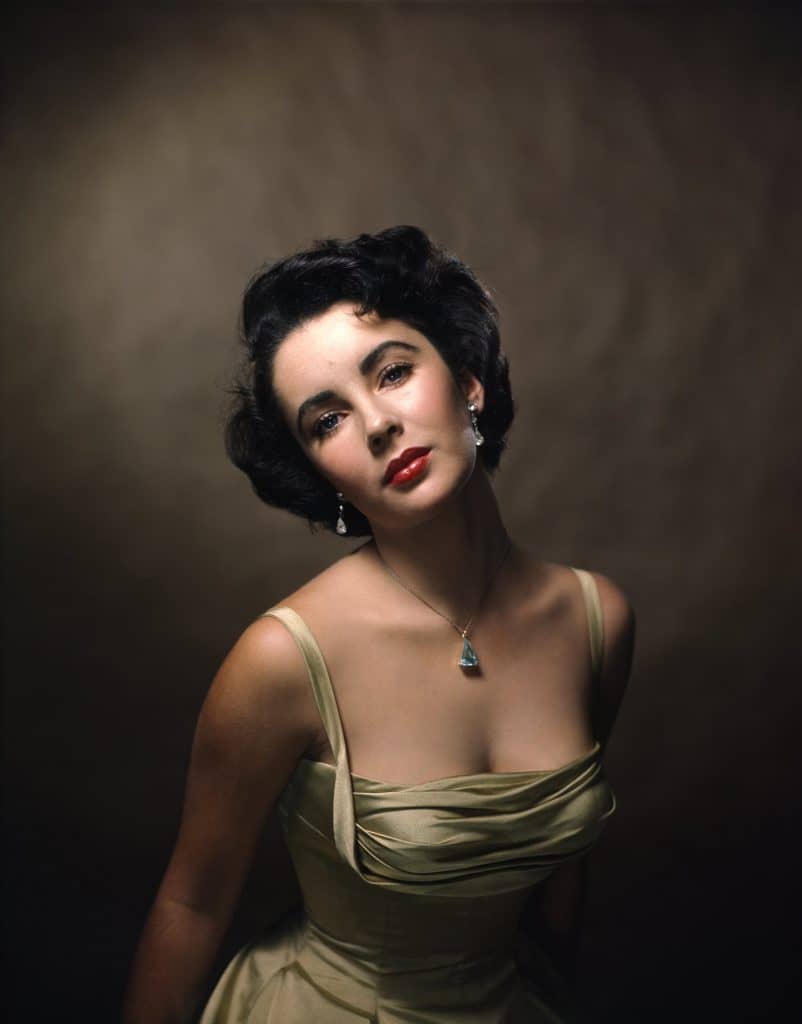
A YOUNG Elizabeth Taylor.
Photograph courtesy of Philippe Halsman Halsman Archive
Elizabeth Taylor’s life is so colorful that even 14 years after her death, the American actress is still very much talked about.
More than a Hollywood icon, Elizabeth Taylor was a force of nature. With her iconic violet eyes, tumultuous love affairs, and unforgettable roles in films, she captivated the world for over six decades.
Beyond the glittering facade of diamonds and paparazzi, she was also a trailblazer: a fierce advocate for AIDS awareness, a business mogul, and a woman unafraid to live — and love — on her own terms.
But how did the world come to know her?
Taylor’s acting career spanned several decades. At the age of 10, she entered into a contract with Universal Studios and made her film debut at There’s One Born Every Minute (1942). She subsequently took on a larger role in Lassie Come Home (1943) and later in The White Cliffs of Dover (1944).
With her portfolio, Taylor was then featured in films such as Cleopatra, Cat on a Hot Tin Roof, Who’s Afraid of Virginia Woolf? and A Place in the Sun. She won two Oscars, both for Best Actress, and a Golden Globe for her performances.
However, her popularity wasn’t solely because of acting. Often referred to as one of the most beautiful women globally, Taylor experienced a chaotic and newsworthy romantic history that included eight marriages to seven different men, numerous engagements, and a well-known love triangle.
She married eight times to seven men, with each relationship illustrating a different phase in her turbulent life. From her early union to hotel heir Conrad Hilton Jr. to her passionate, twice-wed affair with actor Richard Burton, Taylor’s marriages fascinated the public.
Such a love life inspired a New York Times bestselling novel by Taylor Jenkins Reid.

AUTHOR Taylor Jenkins Reid.
Photograph courtesy of Corey Nickols
Reid has often drawn inspiration from real-life icons, and Elizabeth Taylor’s legendary life served as a powerful muse for her storytelling. Her novel, The Seven Husbands of Evelyn Hugo, echoes Taylor’s own legacy.
The Seven Husbands of Evelyn Hugo follows the life story of a glamorous and enigmatic Hollywood actress named Evelyn Hugo. Now an aging recluse, Evelyn chooses an unknown journalist, Monique Grant, to write her long-awaited biography. Through the interview, Evelyn recounts her rise to fame and the sacrifices she made for a career that drove her to have seven husbands in order to survive a male-dominated industry.
“You can’t write about an iconic Hollywood star of the sixties without bumping up against Elizabeth Taylor. And, obviously, the many marriages are a very striking thing Evelyn and Liz have in common,” Reid told Huffington Post in 2017.
‘The Life of a Showgirl’
The second song on Taylor Swift’s 12th studio album, The Life of a Showgirl, is named after Elizabeth Taylor.
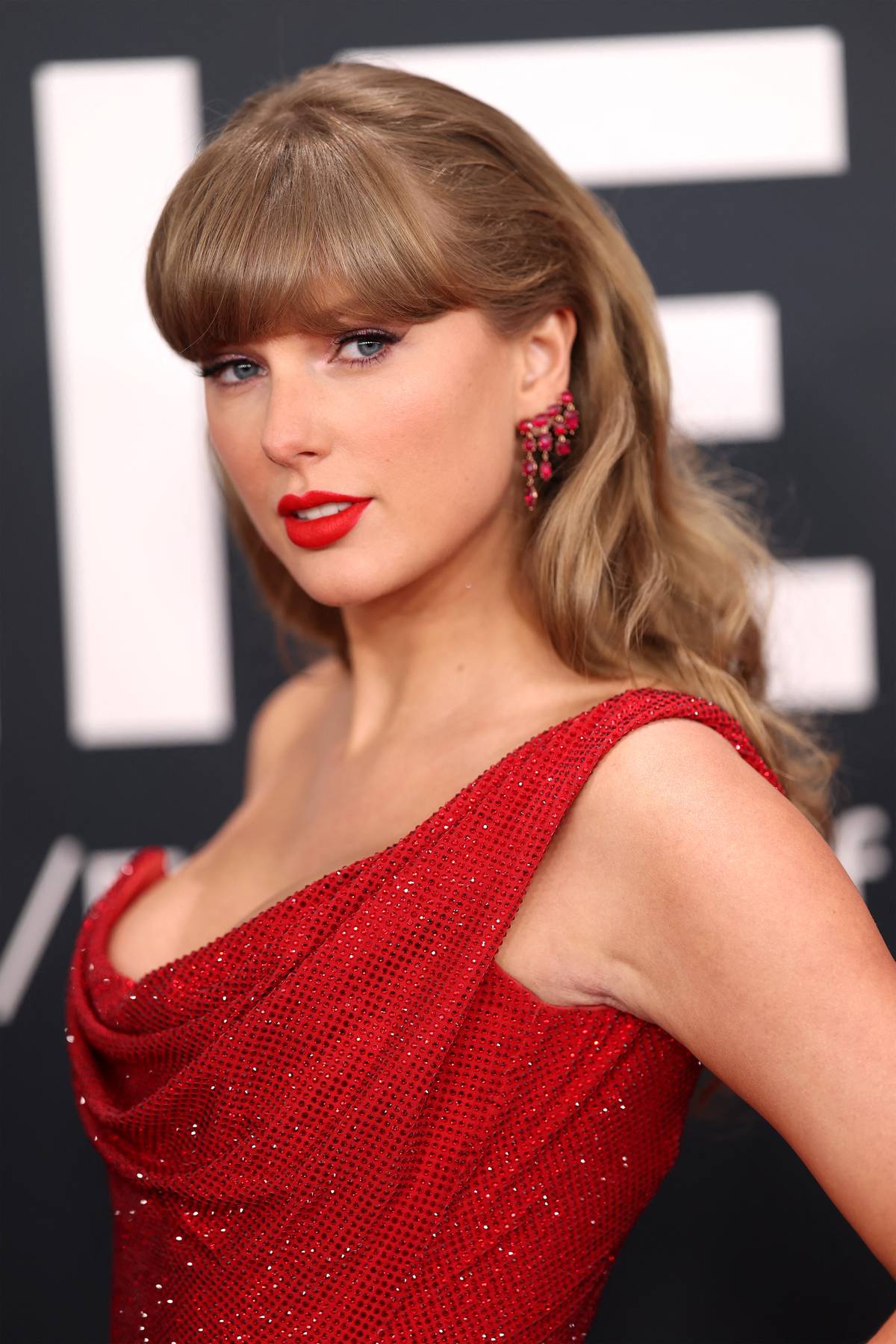
BILLIONAIRE popstar Taylor Swift.
Matt Winkelmeyer/agence france-presse
Swift appears to reference the actress’ relationships with the lyrics: “Elizabeth Taylor / Do you think it’s forever?”
Swift also mentions Taylor’s fame and experience with public scrutiny, saying, “Oftentimes it doesn’t feel so glamorous to be me / All the right guys promised they’d stay / Under bright lights, they withered away, but you bloom.”
The pop star’s initial acknowledgment of the late actress first came in her 2014 album, 1989. In the music video for “Wildest Dreams,” she transforms into Taylor from her 1963 film Cleopatra and develops a romance with her co-star behind the scenes, mirroring Taylor and Burton’s experience.
In the track “...Ready For It?” from reputation, Swift refers to a man who could be the “Burton to this Taylor,” alluding once again to the well-known Hollywood couple.
“I was going on and on about Elizabeth Taylor, talking about all the things about her that I loved…how she kept challenging herself late into her life. I had to get out of the car. I was like, ‘One sec, I have to get out of the car for a second,’ and I just sang this melody into my phone, got back in the car and…that’s what it’s like when it happens,” Swift told Pandora in an interview.
It is clear that Elizabeth Taylor’s impact goes beyond her era, as she redefined what it means to be a celebrity — a woman unafraid of some controversy.