
CINEMALAYA REVIEWS PART 2: ‘Bloom Where You Are Planted’ and ‘Child No. 82: Anak ni Boy Kana’
It is impossible not to empathize with their courage: even as families are torn apart and loved ones are tortured or killed, these activists continue their fight.


‘Bloom Where You Are Planted’
Noni Abao’s documentary spotlights activists fighting for the rights of Filipino farmers — a marginalized sector struggling with debt, landlessness and state oppression. It features Agnes Mesina, Amanda Echanis and Randy Malayao, three Cagayan Valley-based activists.
It is impossible not to empathize with their courage: even as families are torn apart and loved ones are tortured or killed, these activists continue their fight. The cause is noble, and their generosity of time and bravery are undeniable.
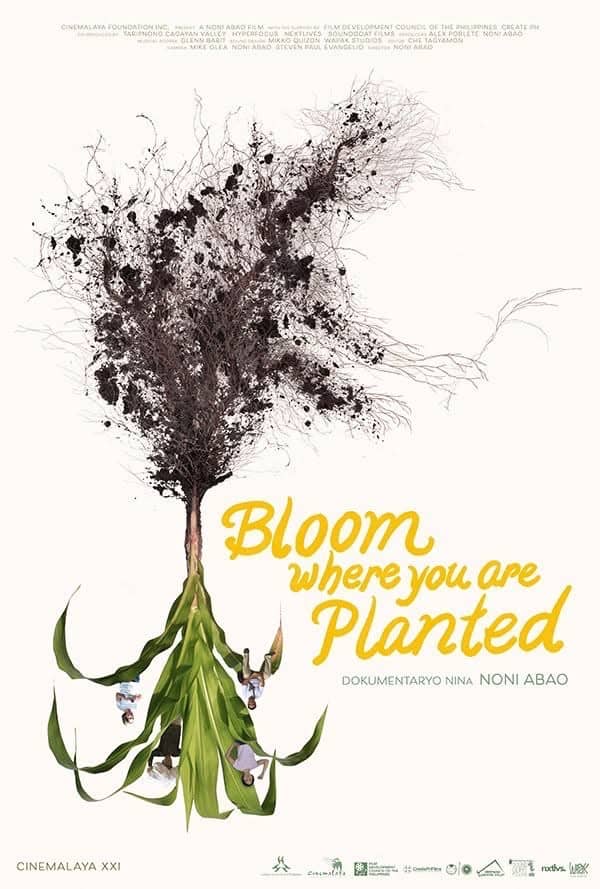
‘BLOOM Where You Are Planted.’
PHOTOGRAPH COURTESY OF CINEMALAYA
Yet as a film, it offers little that is new or cinematically compelling. The interviews are basic, the shots a mix of traditional footage, news clips and video calls, all underscored by mellow music. The storytelling is flat, plain and monotonous, failing to elevate the material beyond familiar territory.
A post-credits segment on the 21 September rally abruptly shifts to upbeat music and chaotic action reminiscent of The Trial of the Chicago 7 — a burst of energy you wish the rest of the film possessed. Instead, it creates a jarring tonal contrast that feels more like an afterthought, an appeal to our current collective rage.
Ultimately, the film succeeds in conveying the plight of the farmers and the nobility of the activists’ cause, but that impact stems largely from the audience’s ideological sympathy rather than the film’s craft. For viewers already aware of these injustices, the documentary offers little revelation or insight.
2 out of 5 stars
‘Child No. 82: Anak ni Boy Kana’
Child No. 82: Anak ni Boy Kana, directed by Tim Rone Villanueva from a story by Arvin Belarmino, is a fantasy-comedy coming-of-age tale about Max, a 17-year-old boy (an excellent JM Ibarra) from Ilocos Norte who grows up with his single mother (Rochelle Pangilinan-Solinap) in a family that runs an Inabel textile business.
Longing to meet his estranged father named Boy Kana (Vhong Navarro), a legendary action star-turned-politician, Max embarks on a literal and emotional journey to connect with the man he has only known through movies.
The film opens impressively with nostalgic recreations of vintage Pinoy fantasy films like Panday. And through textured visual effects, deliberate scratches and grainy sound, it convincingly evokes the look and feel of an unrestored classic.

‘Child no. 82: Anak ni Boy Kana.’
Beneath its humor lies a sharp social critique: Boy Kana, idolized for his fame and charisma, reflects the Filipino public’s misplaced faith in celebrity-politicians, those revered as “saviors” yet detached from the people’s realities. His 99 children cleverly symbolize an electorate endlessly dependent on their idols for salvation.
Adding to the film’s charm is its streak of self-deprecating humor and playful jabs at the filmmakers’ own hometown of Cavite City -- an inside joke that grounds the satire in local flavor.
The dialogue is intermittently funny, though the banter often runs too long. The film’s ambition is bogged down by indulgence; its episodic fantasy detours, while visually creative, tend to overstay their welcome.
‘Child No. 82’ is mildly creative and sporadically funny but ultimately middling. It is memorable mainly for its visual flair and Ibarra’s commendable performance.
2.5 out of 5 stars