
Tampipi, bayong making a comeback


From the recent Milan and Paris Fashion Weeks to last Wednesday’s “Ternocon: Palaro” fashion show by SM and Bench, bags that resemble or are new iterations of the Filipino traditional bags tampipi and bayong have been spotted on the runway.
Tampipi bags interwoven with upcycled fabric scraps were among those sent on the catwalk by designer Carl Jan Cruz.
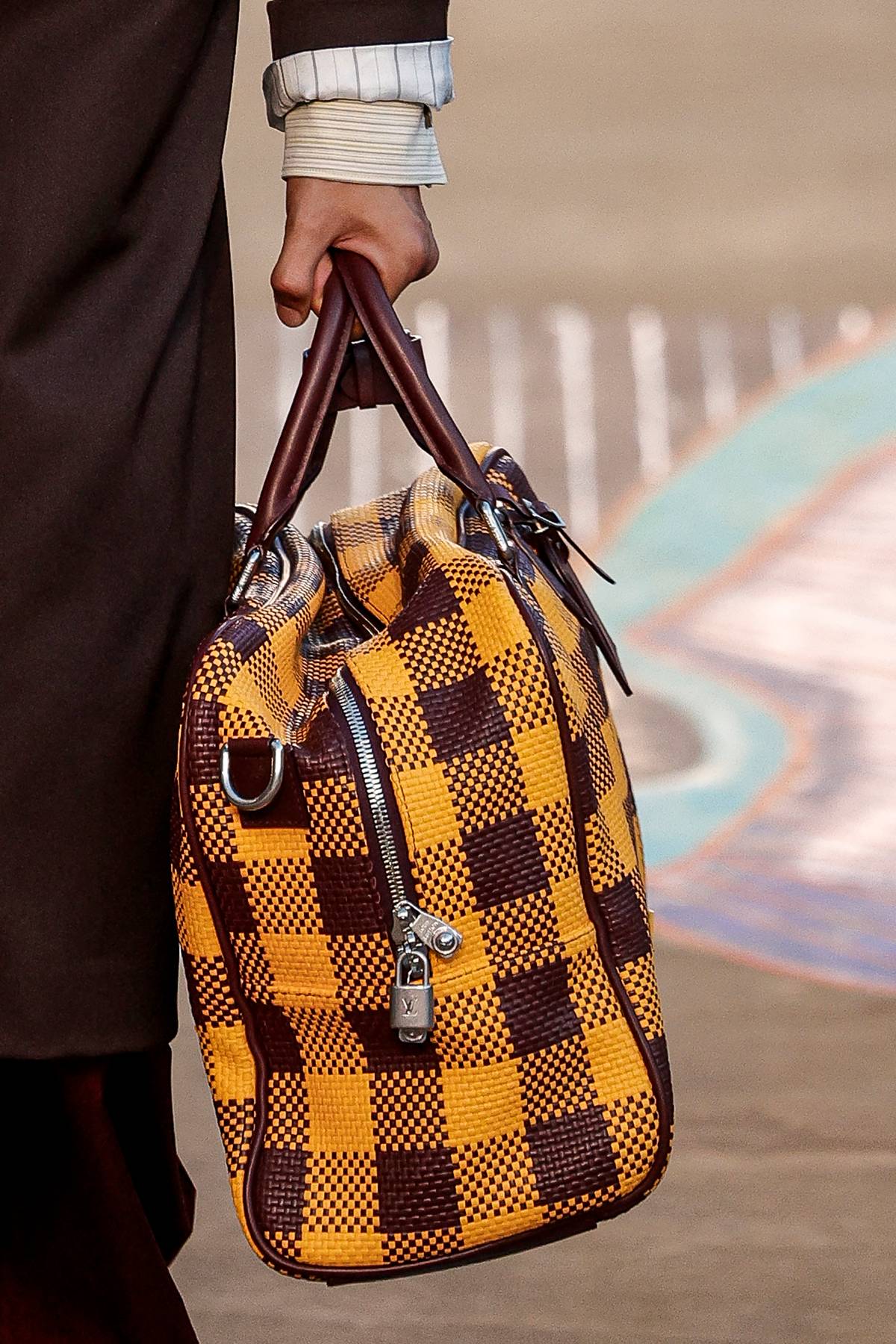
‘Bayong’-looking LV bag from Paris FW SS2026.
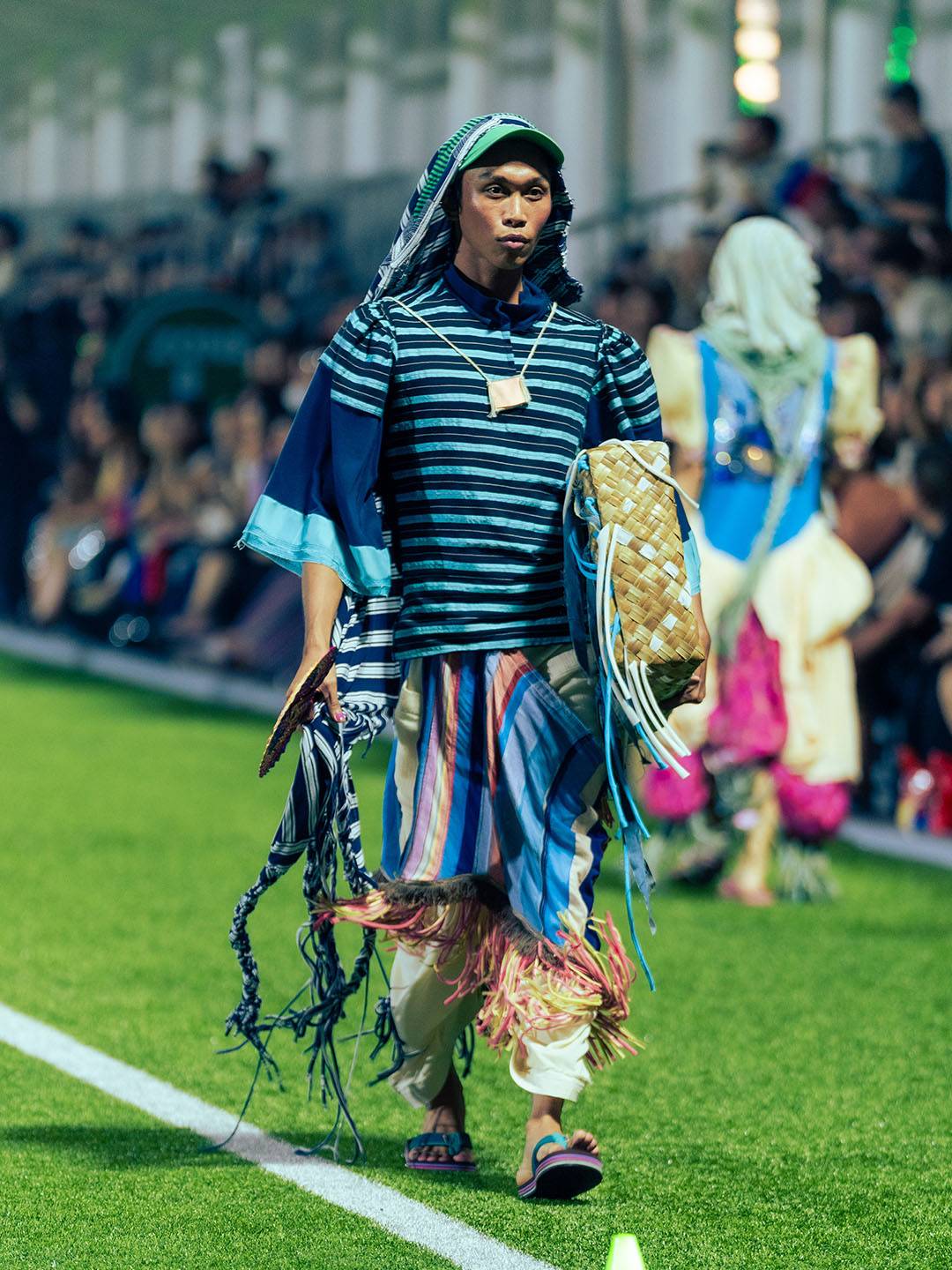
‘TAMPIPI’ by Carl Jan Cruz at ‘TernoCon: Palaro’

PHOTOGRAPHS COURTESY OF DENI BERNARDO
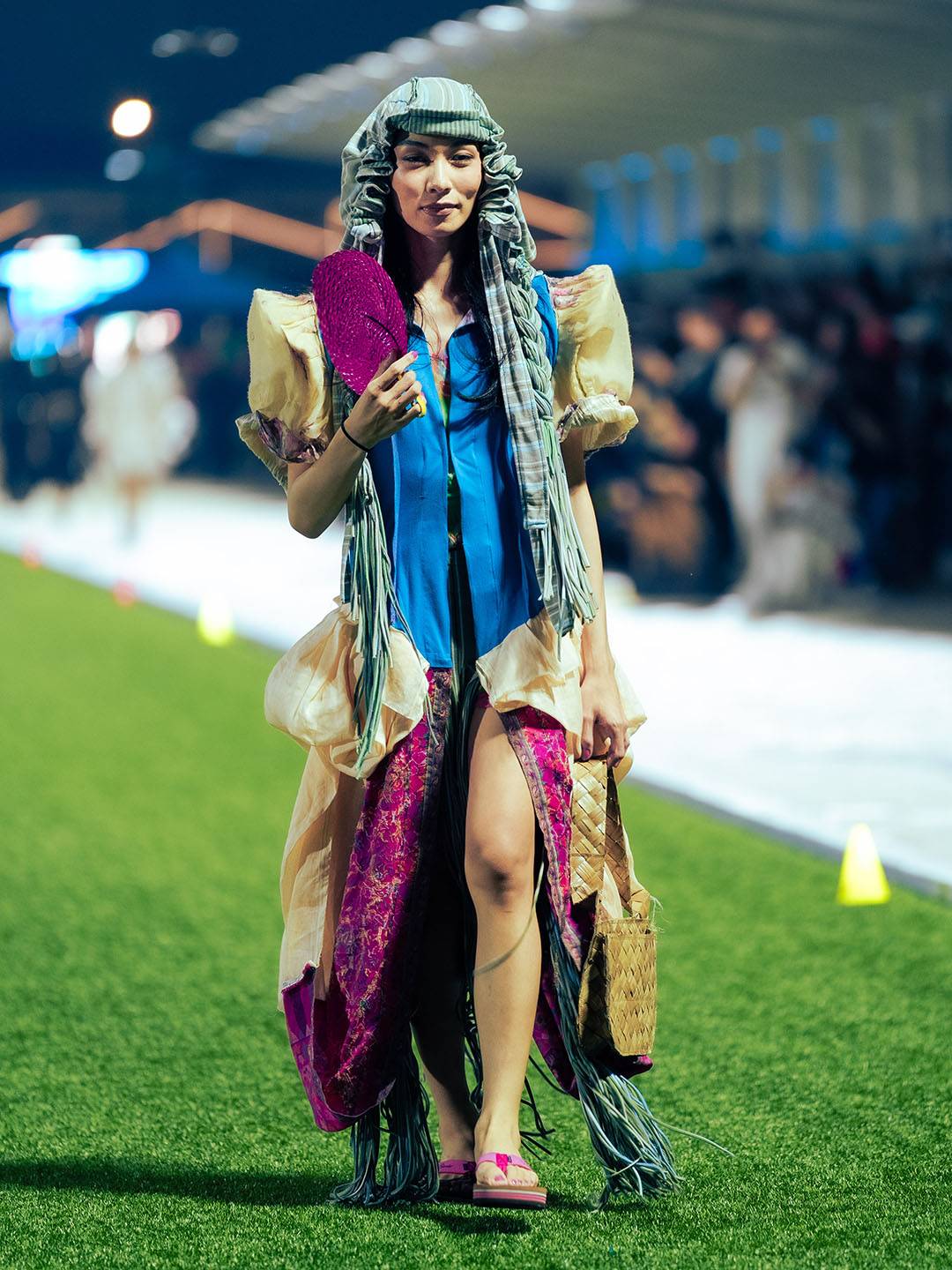
MODELS carrying ‘tampipi’ and ‘bayong’
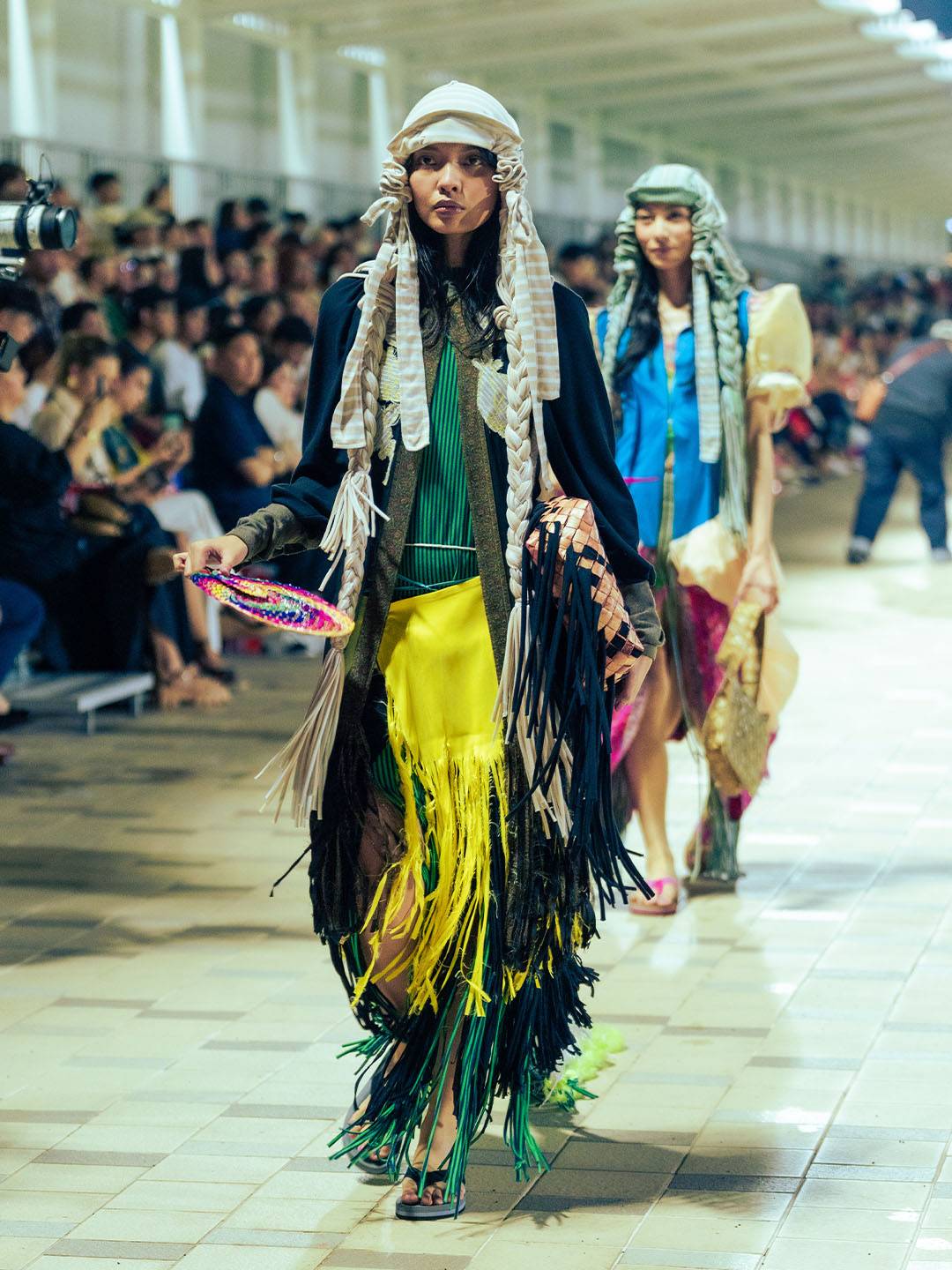
Tampipi is a woven container, usually rectangular but can also become circular, made from the same natural materials as bayong like palm leaves, bamboo and rattan. Both tampipi and bayong were historically used as luggage for clothes and other personal belongings, as immortalized by Jose Rizal in Noli Me Tangere as portable and functional means to carry possessions.
In the ‘90s, tampipi and bayong were used as movie props to provide contrast between the probinsyanos (people from provinces) and the taga-Maynila (those from cities like Manila).
At the recent Milan and Paris Fashion Weeks, tampipi-looking small bags were carried by models as a clutch at the Spring / Summer 2026 shows of fashion houses Fendi and Louis Vuitton; while bayong-looking ones were showcased by Tod’s, LV and Sportmax.
In 2018, Balenciaga came out with bayong-looking resort bags. Another of the Spanish brand’s bayong-looking bag, the Cabas Shopper, is worth $2,000 to $10,000 (P115,000 to half a million pesos)!