
How Filipinos can turn their passion for hair into an int’l career


Hair is more than just strands that frame our faces; it tells a story, reflects our lifestyle and is a living representation of who we are.
Our hair, from the way it sways in the wind to how we dress it for different occasions, talks volumes about our identity, mood and even our roots.
It’s why the old saying says, “Hair is one’s crowning glory.” This isn’t simply a cliché; it’s a cultural reality passed down through centuries.
Hair has traditionally symbolized authority, culture and confidence. In ancient China, it was regarded as a prized gift from one’s parents, and cutting it represented sadness or humiliation. Long hair was a symbol of power and spiritual connectedness among many Native American tribes.
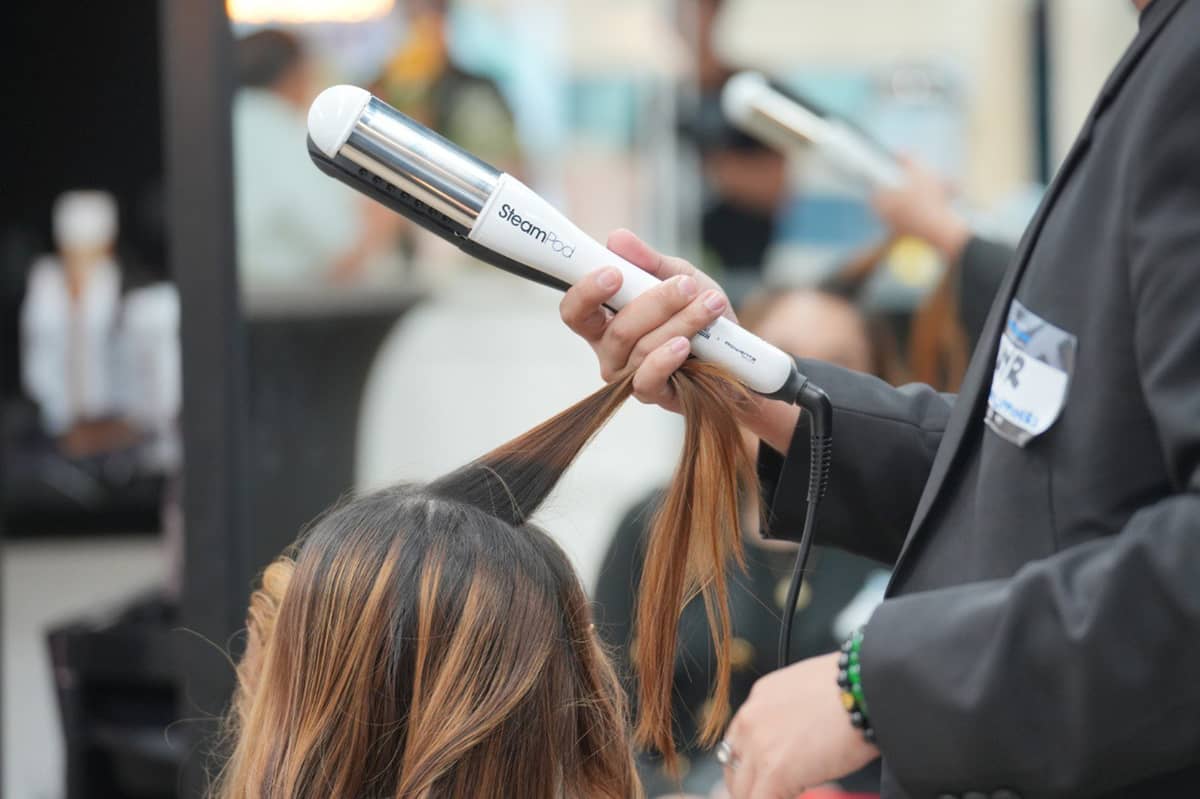
Hair is one’s crowning glory.
And here in the Philippines? According to Secretary Jose Francisco Benitez, Secretary and Director General of Technical Education and Skills Development Authority (TESDA), hair is more than just a symbol of beauty; it also represents one’s identity, “Among the Visayans, where I am from, for example, long and well-kept hair was a mark of bravery and social standing. While in many Tagalog communities, cutting one’s hair short was a sign of mourning. For them, hair was not just about beauty, but about identity, dignity and self-respect.”
This is still true today. Hair is more than a trend for Filipinos; it is a symbol of culture, livelihood and self-confidence. It is the elegant blowout hair treatment before a major pitch, the bounce that exudes main character vitality, and the cut that signals a new chapter. When your hair is in good condition, you feel unstoppable.
The French company, in collaboration with the corporate social responsibility organization Philippine Business for Social Progress (PBSP), has just established a power cooperation with TESDA. What’s the goal? To elevate the hairdressing sector in the Philippines by equipping stylists with world-class skills and creating new job opportunities.
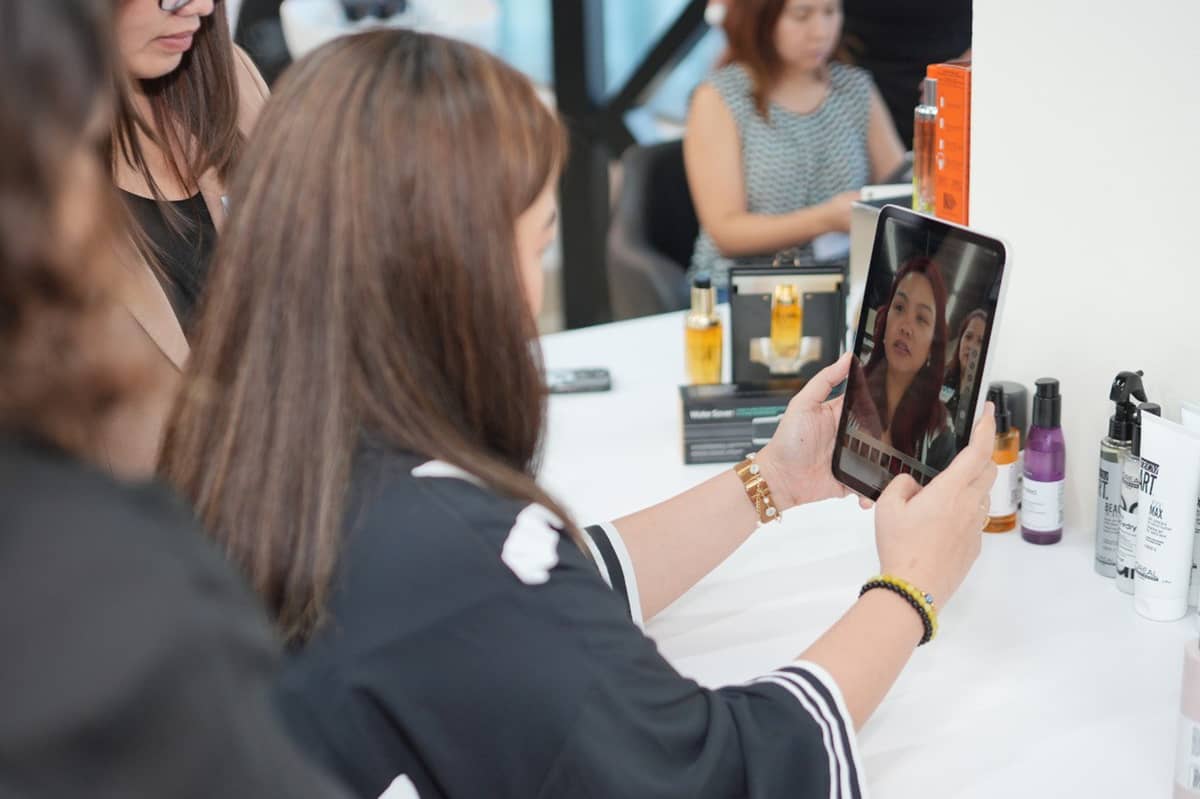
Hair is more than a trend for Filipinos; it is a symbol of culture, livelihood and self-confidence.
“We believe that beauty has the power to transform lives,” said Yassine Bakkari, country managing director of L’Oréal Philippines. “This partnership with TESDA is part of our commitment to inclusive growth — ensuring that more Filipinos, especially women and underserved communities, gain access to education, skills and sustainable livelihoods. By equipping Filipino stylists with world-class skills, we are creating livelihood opportunities and strengthening the future of Philippine hairdressing.”
The French company will help redesign the Hairdressing NC II Certification by providing enhanced training and cutting-edge worldwide practices. Consider trend-driven cuts, next-level color work and the kind of knowledge that leads to opportunities not only in salons, but also in freelance employment and the creative economy.
The program also includes the Color Certification, a globally-recognized path to become a professional colorist.
And, because you can’t do magic without the necessary tools, trainees will receive professional-grade products. The French company’s sleek new Mandaluyong headquarters will also serve as an approved TESDA examination center.
Benitez mentioned, “Hairdressing is not just about styling — it is culture, livelihood and dignity. Through this partnership, we are not only enhancing our Hairdressing NC II program to meet global standards but also empowering women, out-of-school youth and underserved communities to turn their skills into sustainable careers. Together, we are raising the bar for the profession and giving every Filipino hairdresser the opportunity to compete on the world stage.”
The Philippines’ hairdressing sector is reportedly thriving, with over 77,000 salons nationwide, ranging from metropolis studios to neighborhood parlors that never go out of style. The demand is present, as is the potential.
TESDA is concerned with access as well as training. “Here in TESDA, we offer Hairdressing NC II programs nationwide. Our scholars are taught the fundamentals from haircutting, to hair coloring, perming, scalp treatment and even basic cosmetology. From the workers rushing to their jobs with still-wet hair, to the small sachets of shampoo and conditioner we buy in sari-sari stores, to the loyal friendships men form with their neighborhood barbers, hair is part of our daily lives.”
That is why TESDA has even launched mobile training units, delivering hairdressing instruction to overlooked areas. Because having confidence with your hair should not be a privilege; it should be available to everyone.
Meanwhile, hairdressing is considered a high-level profession in Japan, Korea and the United States, with official certification required. With this new relationship, Filipino hairdressers will enter the same limelight, armed with international-standard training.