
Rolling with the punches
Manalo’s collaborative approach keys ABAP success

In Philippine boxing, where victories inside the ring resonate into the heart of the nation, there is a quiet figure who helped shape the foundation beneath those triumphs.
Marcus Manalo, the youthful secretary general of the Association of Boxing Alliances of the Philippines (ABAP), doesn’t throw punches or win medals inside the ring. Instead, he collaborates by building bridges between boxers and coaches, between the sweet science and the exact science of psychology and analysis.
What started as a professional calling turned into a personal mission of nurturing athletes, not just through physical preparation, but through the power of the mind.
“Well, obviously, I’ve spent a lot of time working under our late president, Ed Picson. He was the most influential to me. He was the one who hired me to become the team’s sports psychologist way back in 2013,” said the 39-year-old Manalo during the recent episode of “Off the Court,” the weekly online sports show of DAILY TRIBUNE, last Thursday.
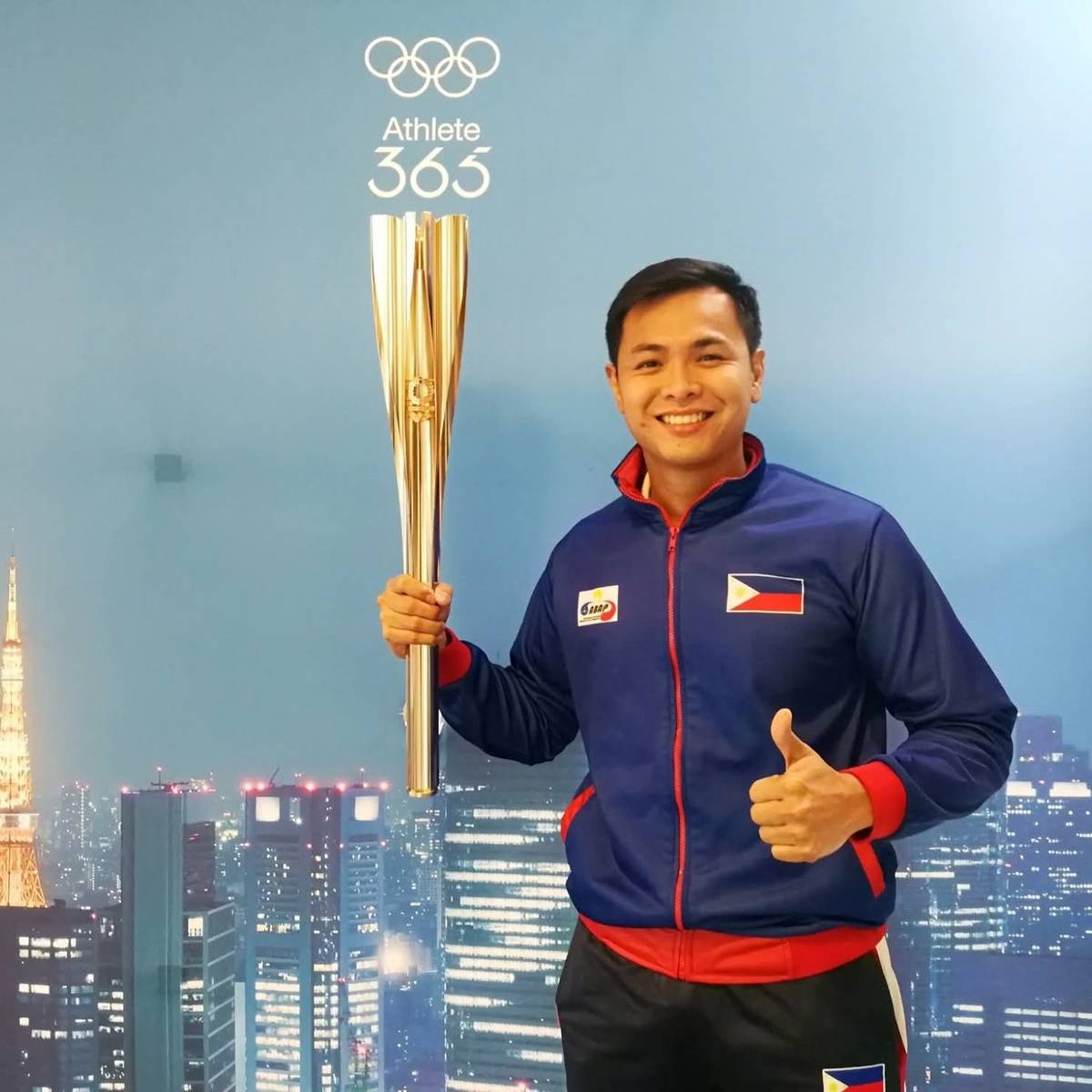
Photographs courtesy of MARCUS MANALO/FB

MARCUS Manalo is running the day-to-day operations of the Association of Boxing Alliances of the Philippines through a consultative and collaborative approach, learning from the likes of former president Ed Picson (left) and chairman Ricky Vargas (right).
“At that time, I applied for the sports psychology practitioner position for boxing. That’s where I started in boxing. I still have my professional practice limited on the side but it evolved because of my continuous exposure and communication and collaboration with coaches, with the boxers, even with our foreign consultants. Sir Ed played a big role.”
Learning from the masters
Manalo’s mentors have been the key to molding him into what he is now as secretary general of the country’s boxing federation.
He knows that wisdom can come from any corner — be it from a senior official, a fellow administrator, or a boxer catching his breath after a grueling round.
“Aside from Sir Ed, (ABAP chairman) Mr. Ricky Vargas has also provided guidance and mentorship, especially now since they’re the ones leading ABAP. But I feel like it’s an accumulation of all the experiences and the interactions I had with not just boxing officials, but also those leaders from other sports, like (Philippine Sports Commission) chairman Patrick “Pato” Gregorio, for example,” said Manalo, an alumnus of University of the Philippines and Texas Tech University.
“He was with ABAP before, but even in the time when he’s no longer with ABAP, he’s one of the people I contact if there are things that I want to consult. So there are a lot of mentors and those people that helped me along the way because I’m not really trained to be a section or executive director.”
That collaboration and rapport, built through years of shared experiences inside training camps and international competitions, gave Manalo a unique understanding of what drives athletes to succeed.
He was not a distant administrator but a constant presence — one who understood their struggles and celebrated their victories as his own.
“I’ve had a lot of communication and an existing relationship with the coaches and the boxers. I think ABAP thought that would be an advantage if I play a different role with the management and the admin. So there are advantages and disadvantages.”
His transition from a behind-the-scenes practitioner to an executive role was natural but never easy. It demanded a new kind of discipline — balancing the empathy of a mentor with the firmness of an administrator.
He saw leadership not as control, but as guidance; not as authority, but as shared responsibility, especially in a federation that has produced 10 of the country’s 18 total Olympic medals.
“Ultimately, there were a lot of people who helped me in terms of mentorship. Even the books that I read and the reference materials, the research articles.”
His job was not only catering to the needs of Olympic boxers like Nesthy Petecio, Carlo Paalam and Eumir Marcial but also be a bridge for the federation.
Handling criticism
As the man who runs the day-to-day operations of the boxing federation, Manalo is no stranger to feedback.
Criticism, for him, is not an attack but an opportunity to improve. In the often-political world of sports governance, Manalo’s willingness to embrace feedback is rare.
It reflects the culture of reflection and accountability that he continues to instill in ABAP — one that encourages growth through dialogue, not defensiveness.
“Even with the criticisms that we have received along the way, there are also people who will share their insights on how to work on things. We’re open to that. We’re not allergic to criticism,” Manalo said.
“They have been helping us. We know what needs to be improved and what we can do right.”
“So the reflective process has also helped us along the way. But if there’s no answer, there were a lot of influences.”
The lessons he learned under Picson’s leadership went beyond strategy or structure — they were lessons in patience, empathy, and the discipline of service. Through the years, that influence shaped the way Manalo approached his work, reminding him that true leadership often begins with listening.
The journey may have started in 2013, but its impact is measured not in years but in the athletes whose lives have been touched, in the coaches who have found allies, and in the federation that continues to thrive.
As boxing moves forward, it is the stories like Manalo’s that remind us that greatness in sport is not only about those inside the ring.
It is also about those who dedicate themselves to making sure the athletes can rise, compete, and succeed.
In that sense, the quiet story of Manalo is inseparable from the larger story of Philippine boxing — a story built on trust, service, and the belief that with the right people in the place, victory can easily be achieved.
Simply put, Manalo doesn’t deflect setbacks.
He gracefully rolls with the punches, making sure to adapt to whatever situation that may arise.