
Volvo walks the talk
Grace Beyond the Wheel inspires action on inclusive mobility


Volvo Philippines brought together women leaders students and media for the second Voice of Volvo forum, a conversation that treated safety not as a buzzword but as a daily requirement for progress. Held on 3 September at St. Scholastica’s College in Manila, the event carried the theme Grace Beyond the Wheel and focused on how a culture of safety can open doors for people to study, work, and move with confidence.
The panel was all female and was moderated by broadcast journalist Rico Hizon. On stage were Maria Fe Perez-Agudo, vice chair, president, and CEO of HARI; Pinky Pe Tobiano, chemist, philanthropist and CEO; Jacque Manabat, multimedia journalist and road safety advocate; and Angela Lagunzad-Castro, broadcast journalist and advocate for women and persons with disabilities. Their message was straightforward. If people feel safe both on the road and in their personal lives, they are more likely to lead, innovate, and do more for their communities.
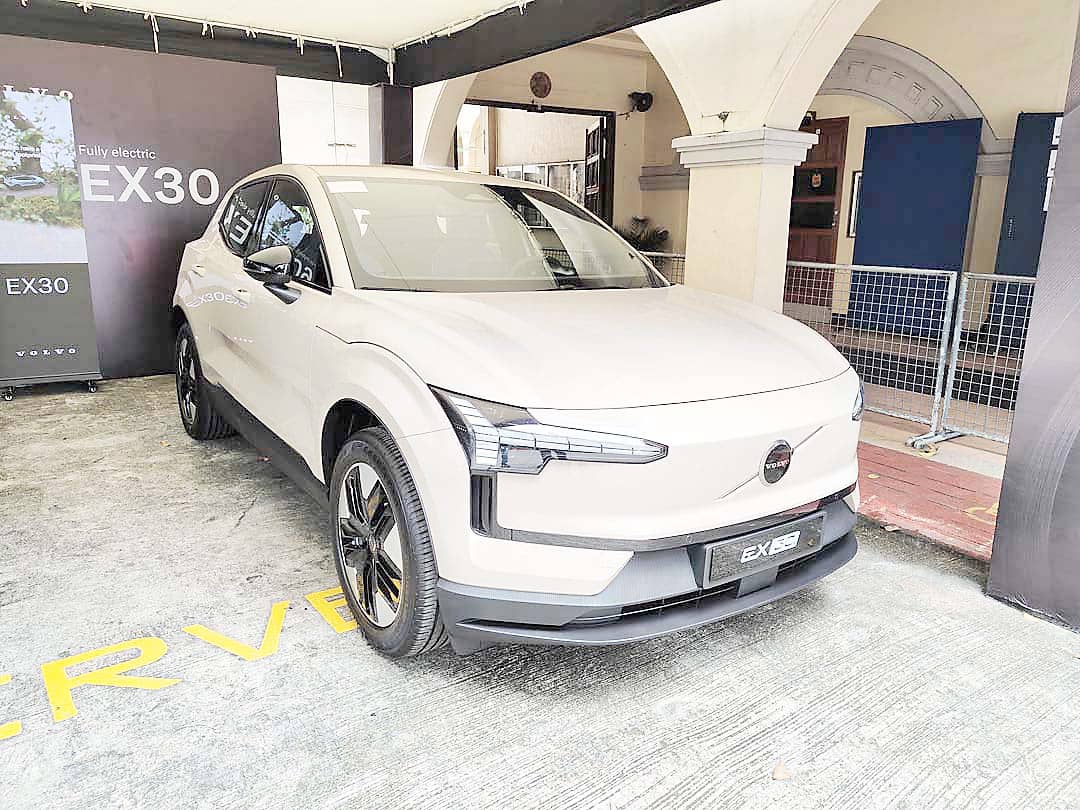
THE Volvo XC60 and EX30 are on display, highlighting safety and innovation beyond the forum stage.
Organizers positioned the forum as a shift from talk to action. Hosting the forum in an academic setting, Volvo aims to empower student leaders to carry the conversation forward and help shape practical ideas for inclusive mobility. The call was for cross-sector collaboration so that transport, campuses, and workplaces become easier and safer to navigate for everyone.
Perez-Agudo framed the series not just for car technology but as a platform to discuss culture change. For her, safety is a shared responsibility and the starting point for ambition. When people are safe and secure, they tend to aim higher. This is aligned with Volvo Philippines’ Being Alive advocacy, which includes safety not only for those inside the car but also caring for all road users.
The panel shared that safer streets and reliable transport can affect life choices. They also stressed that safety means not just physical protection but also mental and personal security. They contended that this change in perspective retains the focus on people and helps society in creating better institutions.
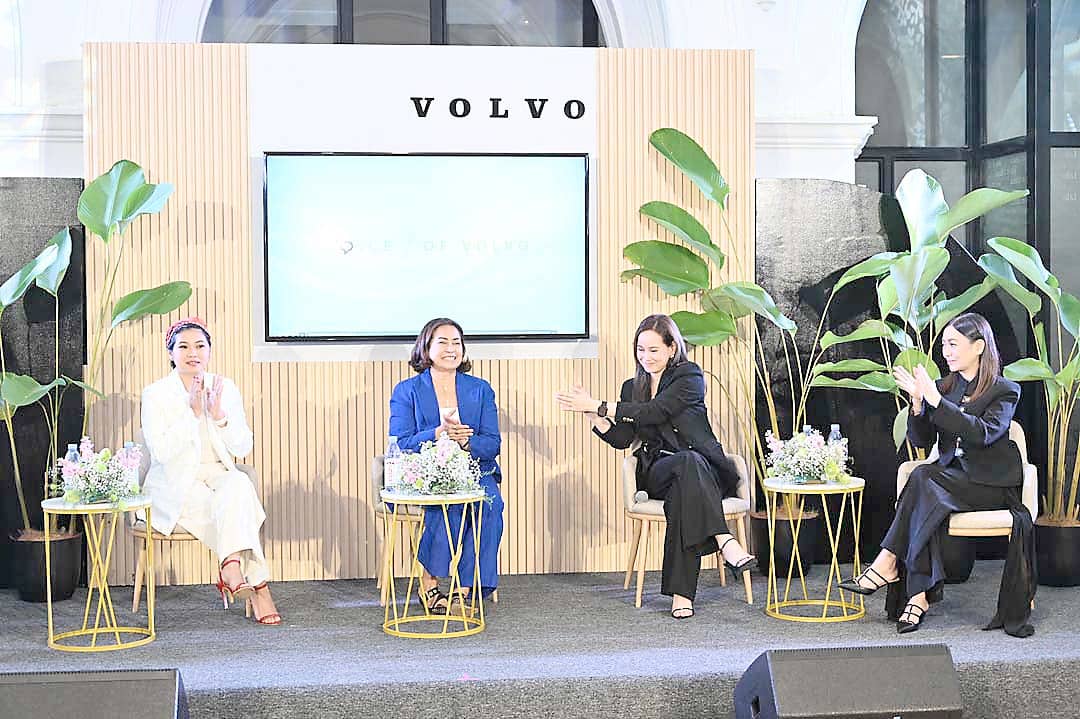
WOMEN leaders share their experiences at the Grace Beyond the Wheel forum at St. Scholastica’s College.
Volvo also pointed to its approach to vehicle design as part of the bigger picture. Features that prevent crashes or protect occupants are meant to support the same goal discussed on stage. In that sense, the brand’s technology and the forum’s message are connected. Both push for environments where people can move without fear and focus on what they need to do.
By the end of the session, one of the key takeaways is that safety is not just a checklist or a line in a brochure. It is the basic condition that allows young people to take opportunities, professionals to do their best work, and families to get home at the end of the day. With the Voice of Volvo series, the company is trying to keep that idea in public view and gather partners who can turn it into programs on the ground.
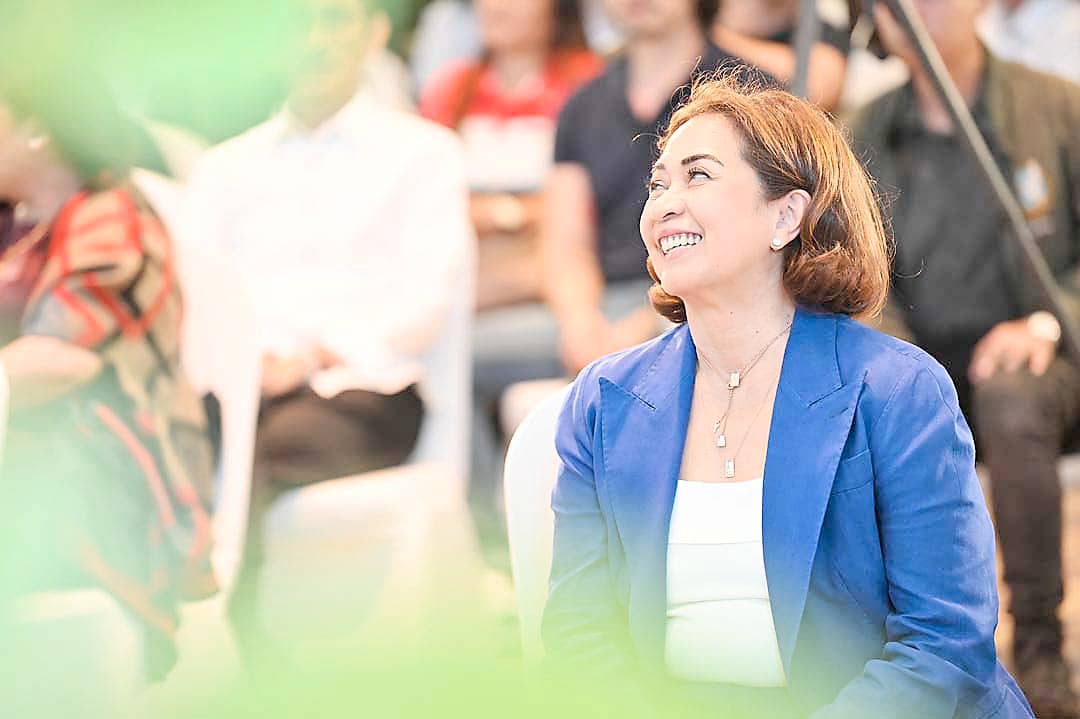
Maria Fe Perez-Agudo, vice chair, president and CEO of HARI, listens with a smile as conversations on empowerment and safety unfold.
For Volvo Philippines, that means continuing these conversations while widening the circle of participants.
Possibilities open up and lives take new directions when communities are safe and secure. This was the vision shared at the forum. And Volvo stays true to this vision by turning words into action and action into lasting progress.
When I asked Maria Fe Perez-Agudo how we can sustain this momentum, her answer was simple — we walk the talk.