




Rediscovering history through MPT Mobility


Text size
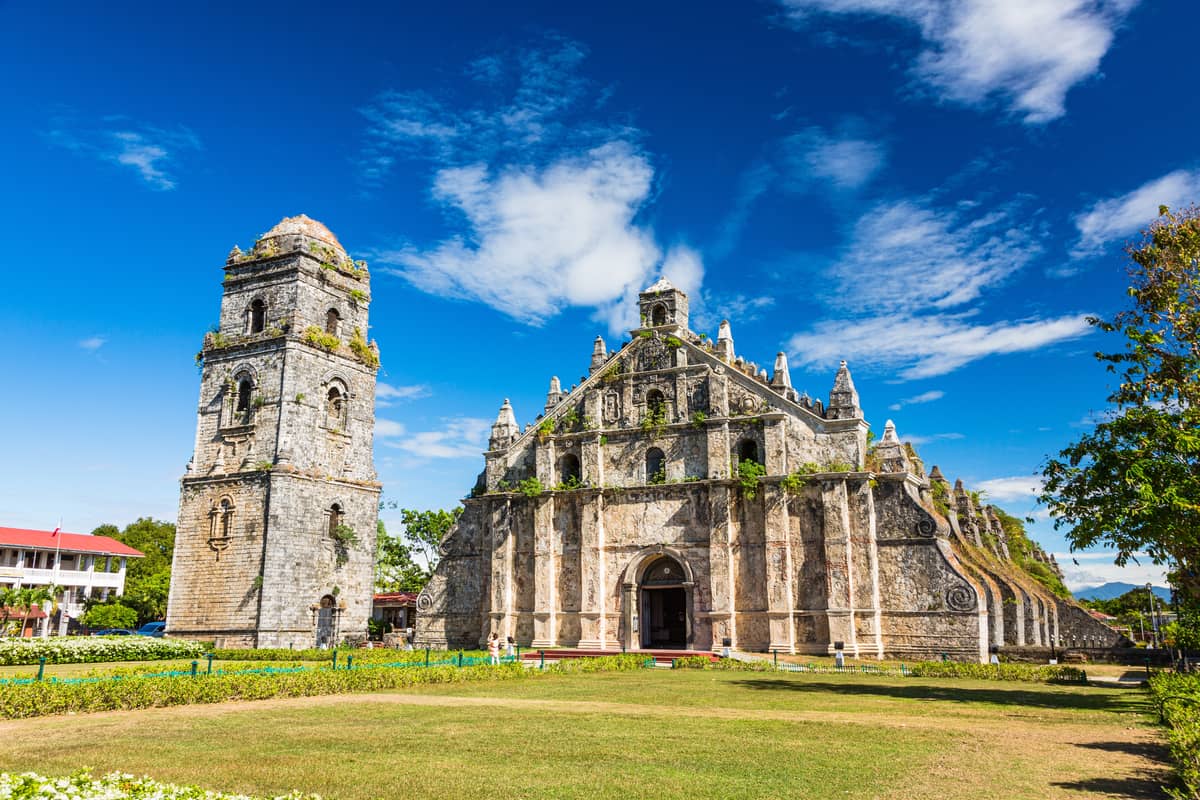
WITH its thick walls and towering facade, the church in Paoay still stands after centuries.
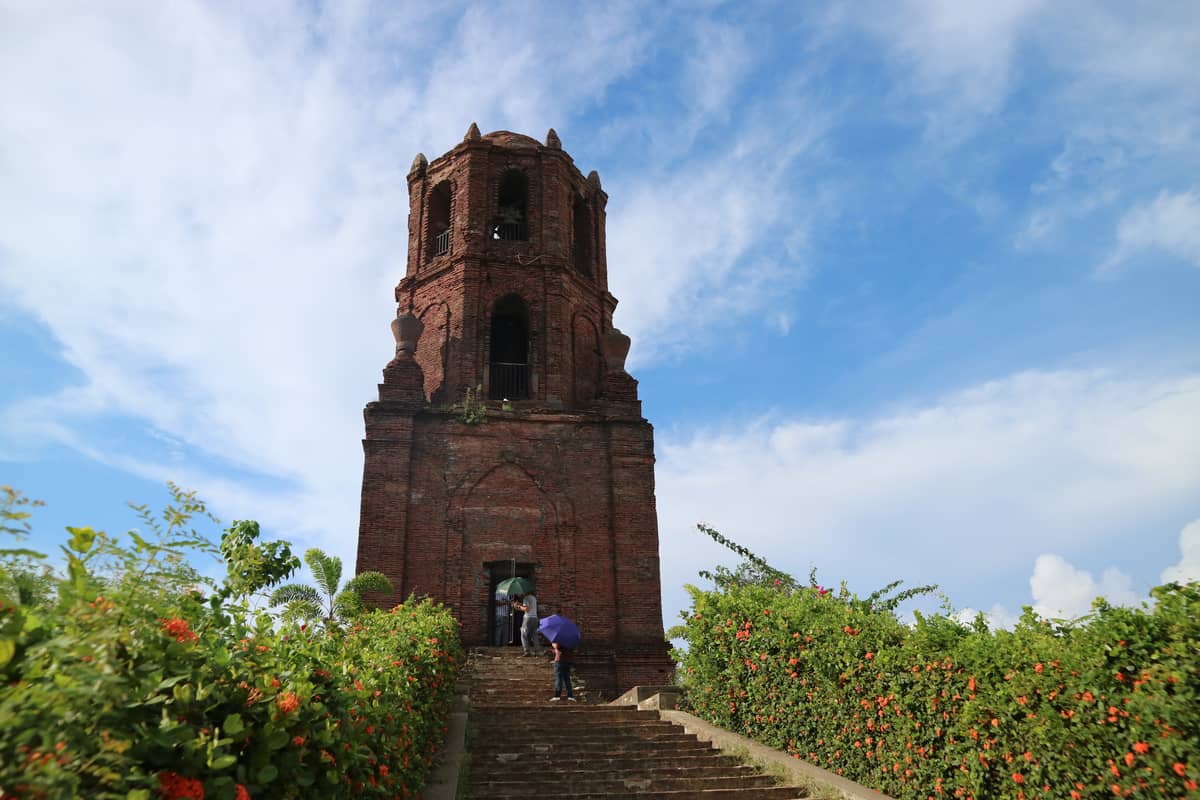
A FORMER watchtower that once guarded the town now offers a quiet view of Ilocos’ storied past.
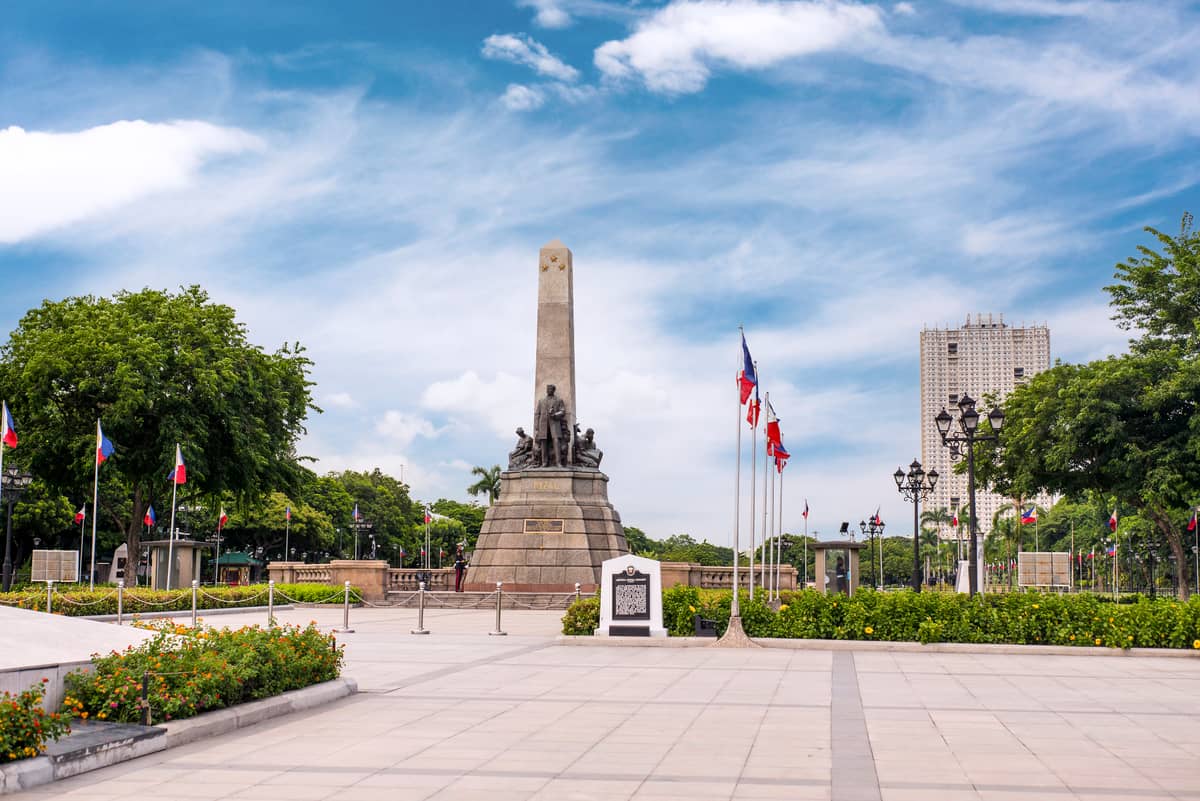
IN the heart of Manila, Dr. Jose Rizal still stands watch over a country he dreamed would one day be free.
Photographs courtesy of MPT Mobility
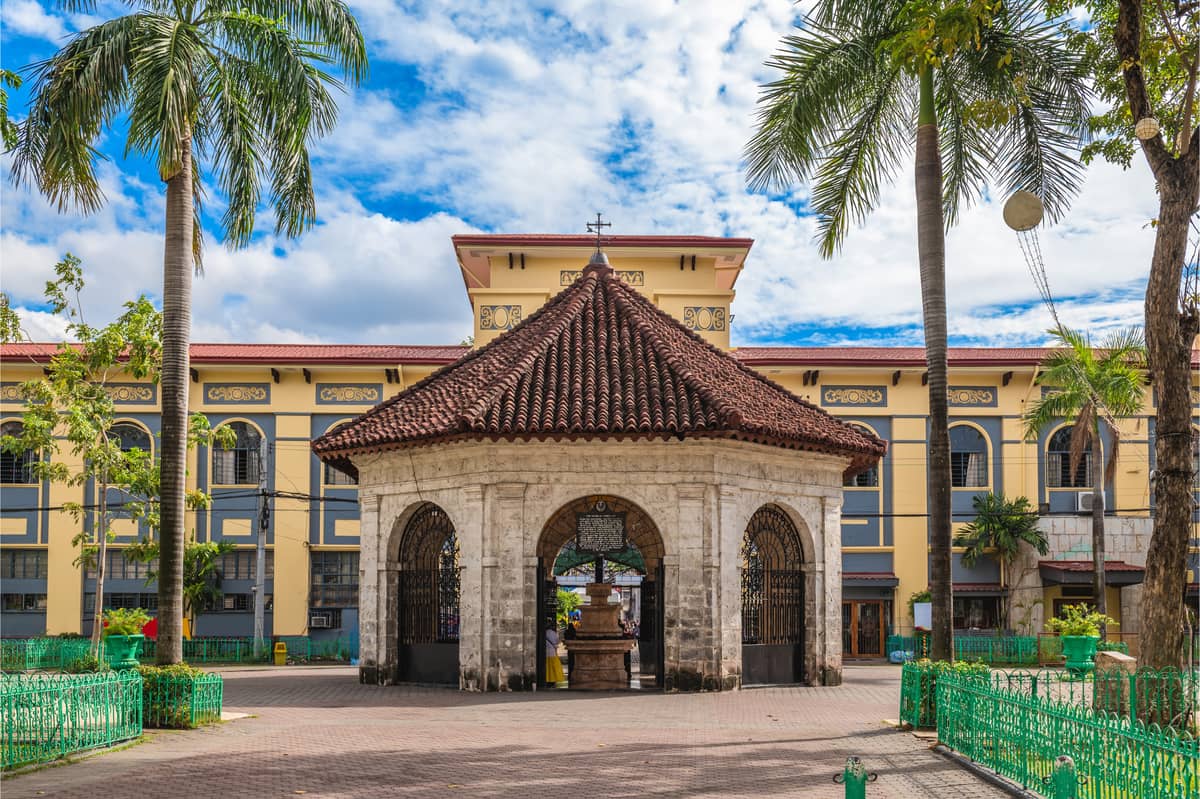
SHELTERED in a small chapel, this wooden cross marks the spot where Spanish
‘I have a lot of work as mayor of the particular LGU which is Davao City. It will take too much of my time if I don’t…
Hindu immigrants abroad celebrate in either August or September Ganesh Chaturthi, a 10-day festival commemorating the…
President Ferdinand Marcos Jr. on Tuesday called for women’s greater representation in leadership across Southeast…
The Senate impeachment court on Tuesday denied the prosecution’s bid to compel Vice President Sara Duterte to confirm…
This Independence Day, a meaningful way to reflect on our country’s past is to visit the places where it unfolded. From old churches to war memorials, the Philippines has no shortage of landmarks that quietly tell stories of struggle, sacrifice and survival.
MPT Mobility has rounded up a list of historical destinations that are not too far from the city, each one offering a quick escape with something deeper in return.
Cavite: Where the Republic was born
If there’s one place that marks the beginning of Philippine independence, it’s the Aguinaldo Shrine in Kawit, Cavite. This was where the country first raised its flag and heard the national anthem on 12 June 1898. Once home to Emilio Aguinaldo, the house has since been turned into a museum filled with items from the revolution.
Not far away, the Bonifacio Trial House in Maragondon holds a darker story. It’s where Andres Bonifacio was tried and sentenced in a tragic chapter of the revolution. Both sites are accessible from Manila via CAVITEX, with the shrine located along Tirona Highway and the trial house deeper south in Maragondon.
Pampanga: A stop on the Death March
The old train station in San Fernando, Pampanga, stands as a quiet witness to one of the hardest moments in World War II — the Bataan Death March. Prisoners of war who survived the long walk from Bataan ended up here in 1942, only to be packed into boxcars for another harsh journey.
Today, the station has been restored, with markers nearby serving as reminders of what those soldiers endured. It’s a short trip from Manila via NLEX, exiting at San Fernando and following the main roads to the town center.
Bataan: Honoring the fallen
For those heading further north, the Dambana ng Kagitingan or Shrine of Valor in Mount Samat, Bataan, stands tall — literally. The giant white cross near the mountain summit is hard to miss. Built in the late ’60s, the shrine honors Filipino and American soldiers who fought and fell in the Battle of Bataan.
The site includes a small museum and offers sweeping views of the province and beyond. The route from Manila takes you through NLEX and onto the roads leading to Pilar, where the shrine is located.
Ilocos: Old churches and Spanish-era towers
Up north in Ilocos, history takes the form of churches and colonial buildings. The Paoay Church in Ilocos Norte, a UNESCO World Heritage Site, stands out for its thick walls and unique design meant to withstand earthquakes. Nearby is the Malacañang of the North, once the official home of former president Ferdinand Marcos, now a museum.
Down in Bantay, Ilocos Sur, the old bell tower still stands beside the church, offering views of the surrounding town and a quiet glimpse into the Spanish era. Travelers from Manila can take NLEX to SCTEX and TPLEX, then drive further north via the National Highway.
Metro Manila: History close to home
Not everyone has time for a long trip — and that’s okay. There are places within the city that carry just as much weight. Intramuros remains a favorite for those wanting a look at old Manila, with cobblestone streets, churches, and forts from the Spanish period.
A short ride away is Rizal Park, where the country’s most well-known monument pays tribute to Dr. Jose Rizal. Nearby, the National Museum Complex holds treasures from the country’s cultural and political past. Those driving into Manila from the north can take the NLEX Connector for quicker access to central districts like España and Magsaysay Boulevard.
Cebu: The Crossroads of faith and resistance
In Cebu, history comes with both conflict and faith. The Lapu-Lapu Shrine on Mactan Island remembers the warrior who defeated Magellan in 1521. Just across the bridge in Cebu City is Magellan’s Cross, said to have been planted on the island by Spanish explorers.
A few steps away is the Basilica Minore del Santo Niño, which houses the oldest religious relic in the country. To reach these sites, drivers can take the CCLEX to Mactan, then head into the city using the Marcelo Fernan or Mactan-Mandaue bridges.
For those planning to drive, MPT Mobility recommends using the MPT DriveHub app to check road conditions, reload RFID, and get emergency help if needed. Easytrip RFID works across all MPTC expressways, making travel more seamless, especially when heading to places like Bataan or Cavite.
Travelers in Cebu can also use CCLEX RFID to get around more easily. And before heading home, those driving along NLEX can drop by the NLEX Drive and Dine area for a quick stop to eat or rest.
