




Stroll-worthy cities
According to UN Tourism, an estimated 60 percent of the world’s population will be living in cities by 2030.


Text size
According to UN Tourism, an estimated 60 percent of the world’s population will be living in cities by 2030.
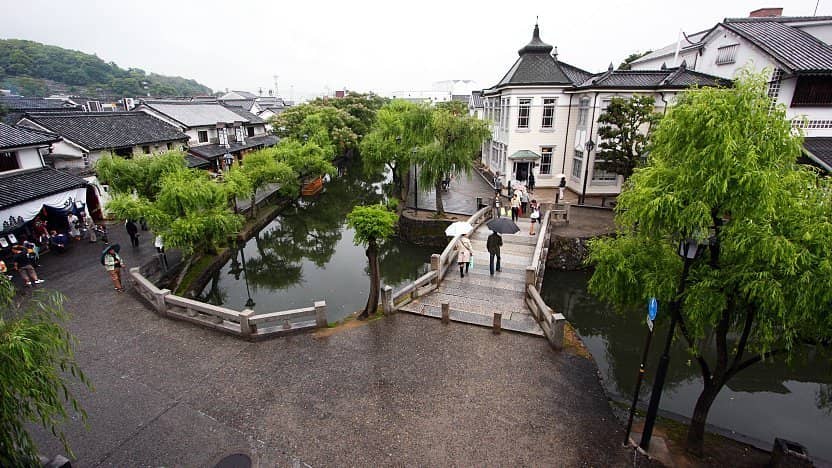
KURASHIKI Canal area in Japan.
PHOTOGRAPH COURTESY OF japan guide
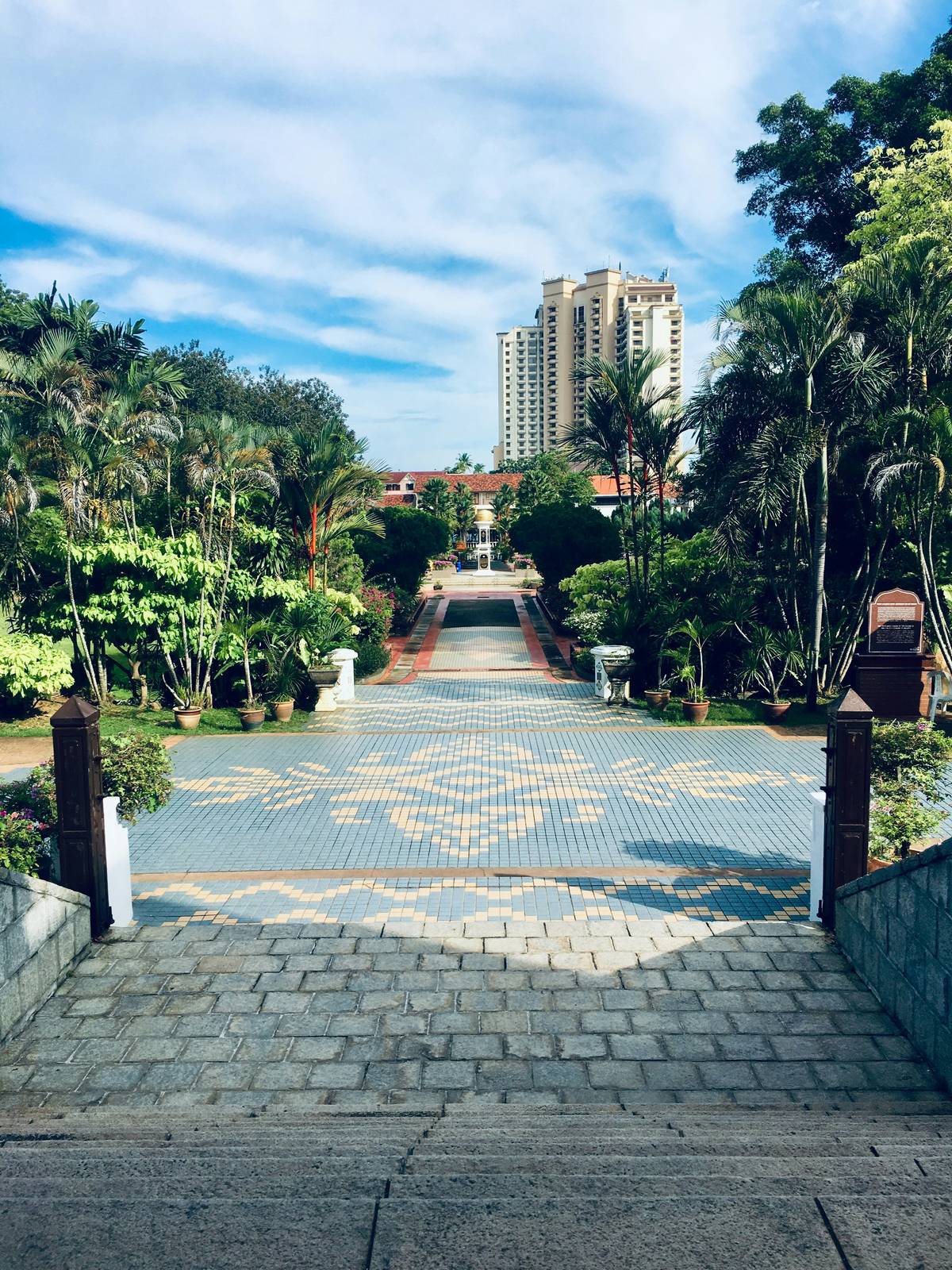
MELAKA, Malaysia.
PHOTOGRAPH COURTESY OF unsplash/ yuxiang-yao
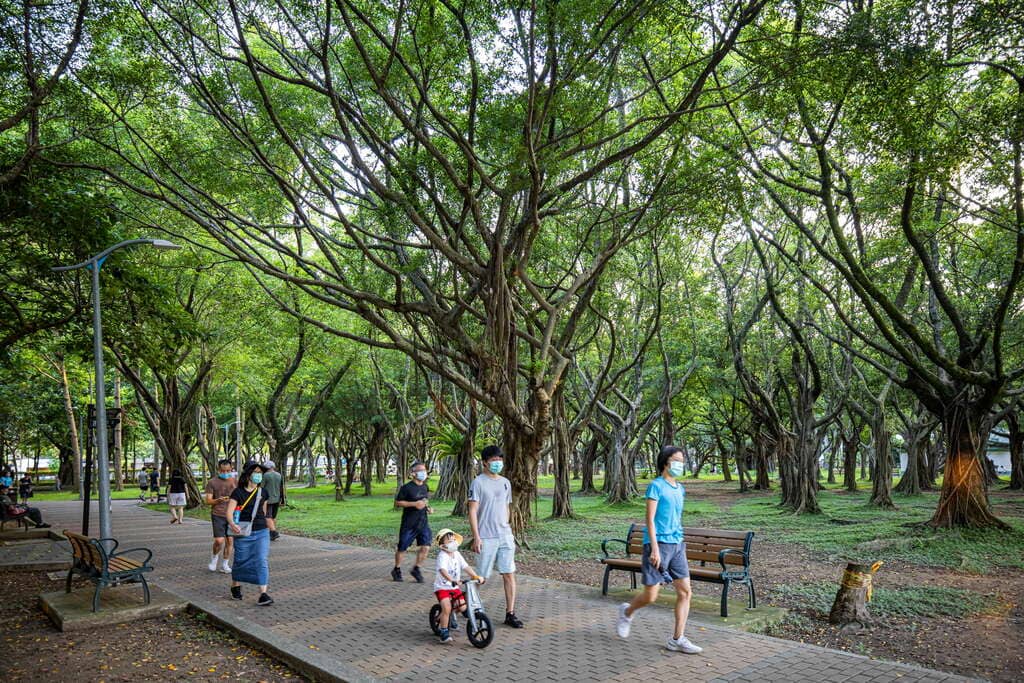
DA’AN Forest Park in Taipei, Taiwan
PHOTOGRAPH COURTESY OF TAIWAN TRAVEL
Walkable cities are the holy grail of travelers.
People are initially drawn to exploring destinations where pedestrian-friendly streets, compact layouts and clusters of attractions to be able to experience local culture. Nothing beats doing all these by foot.
There are a lot of reasons why cities should adopt urban design to embrace mobility, not only for visitors but also for locals. According to UN Tourism, an estimated 60 percent of the world’s population will be living in cities by 2030.
These are some of Asia’s walkable cities where walking is the best option to immerse in its heart and soul:
Hanoi, Vietnam. Hanoi’s Old Quarter is a labyrinth of narrow streets brimming with history and culture. French colonial architecture, ancient temples and vibrant street markets create a dynamic backdrop for exploration. The area’s pedestrian-friendly layout makes it easy to wander and discover local delicacies like Pho and Bánh mì from street vendors.
Kurashiki, Japan. Kurashiki’s Bikan Historical Quarter in Okayama Prefecture is a compact, flat area that is a dream come true for those who love leisurely strolls. The picturesque canals lined with weeping willows and traditional white-walled kura (storehouses) create a tranquil atmosphere. Art enthusiasts will appreciate the Ohara Museum of Art, while shoppers can browse handmade crafts.
Chiang Khan, Thailand. Nestled along the Mekong River, Chiang Khan is a quaint town located in northeastern Thailand that’s best explored on foot. Its famous pedestrian-friendly walking street, Chai Khong Road, is a car-free stretch lined with well-preserved wooden shophouses, cozy guesthouses, quirky cafés, and local boutiques. In the evenings, it transforms into a lively night market with street food, handicrafts, and live music.
Melaka, Malaysia. Melaka Old Town is a UNESCO World Heritage site that’s compact, flat, and ideal for a walking tour. The city’s rich history as a trading port is reflected in its diverse architecture, from Dutch colonial buildings to Chinese shophouses. Attractions, museums, cafés, and shops are clustered together, making it easy to wander on foot. Jonker Street and the surrounding heritage area are car-free on weekends, ensuring a safe and enjoyable walking experience.
Pondicherry, India. Pondicherry’s French Quarter is a walker’s paradise, with its grid-like street layout, pastel-colored colonial buildings and tree-lined avenues. The seaside promenade, Goubert Avenue, is closed to vehicles in the evenings and early mornings, offering a peaceful space for pedestrians to stroll or relax by the sea with views of the Bay of Bengal.
Gyeongju, South Korea. Known as “the museum without walls,” Gyeongju’s historic city center is a treasure trove of historical sites, making it perfect for walking. The main attractions, including Tumuli Park, Cheomseongdae Observatory, Gyeongju National Museum and Woljeonggyo Bridge, are all within walking distance of each other. The city’s well-maintained sidewalks, pedestrian zones and scenic walking paths make it easy to explore on foot at a leisurely pace.
Taipei, Taiwan. Cited by The Economist as an emerging “15-minute city,” Taipei offers wide sidewalks, clear signage and shaded boulevards for the perfect city adventure, complete with an efficient MRT system that connects walkable hubs seamlessly. Highlights include Da’an Forest Park, Yongkang Street’s food scene, the historic Dihua Street in Dadaocheng and the Songshan Cultural and Creative Park loop. Scenic riverside bikeways and walkways add another layer of accessibility and beauty to the city.
Early-stage cancer can be more easily treated than in the later stages. That is why doctors recommend regular cancer…
‘As far as I recall and based on the record, there is no showing.’
President Ferdinand Marcos Jr. is flying to Singapore for a five-day working visit upon the invitation of Singaporean…
