




DSWD: 4Ps is not ‘ayuda’
Text size
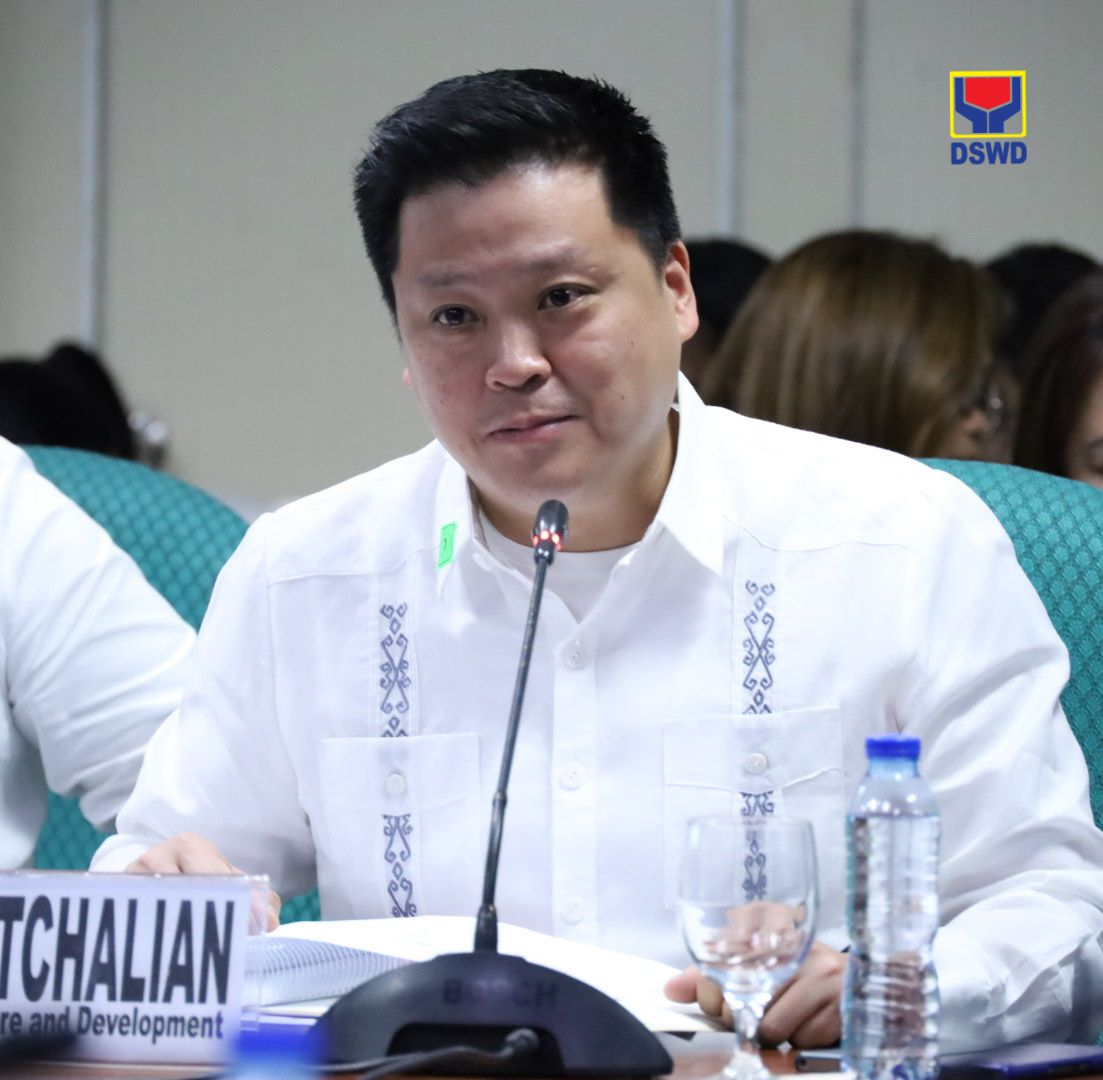
Department of Social Welfare and Development (DSWD) Secretary Rex Gatchalian on Friday clarified that the Pantawid Pamilyang Pilipino Program (4Ps) is not a mere government dole-out, but a key poverty alleviation strategy designed to break the cycle of intergenerational poverty.
“One of our biggest development programs is 4Ps. It’s not a form of aid. It was designed, first and foremost, to uplift our fellow Filipinos and prevent poverty from being passed down from one generation to the next,” Gatchalian said in an interview.
He emphasized that the government has a responsibility to support all vulnerable sectors, especially poor families who are the primary beneficiaries of 4Ps.
However, the DSWD chief also underscored that the program comes with conditions meant to steer families away from dependency and toward self-sufficiency.
“We shouldn’t see social welfare as a bad thing, but I always say we also have a development function. That’s the long-term solution,” he explained.
“Yes, financial aid is given — but there are conditions. Beneficiaries must attend family development sessions, their children must be in school, and they must follow basic health care interventions.”
Gatchalian also pointed out that under the Marcos administration, efforts have been stepped up to ensure that families graduating from the program don’t fall back into poverty. One key intervention: Nationwide job fairs and the active engagement of social workers acting as case managers.
“In this administration, we’re using a tool that has long existed. Our social workers, acting as case managers, start the exit process once a family reaches self-sufficiency, or what we call level 3,” he said.
Three decades after the Marcopper mining disaster devastated Marinduque’s waterways, the province is again pressing the…
Housing is probably the biggest issue affecting people the world over.
Malacañang on Monday called for a more thorough investigation into the questioned flood control projects in Taguig…
The defense on Monday backed the move by senator-judges to exclude a prosecution witness who testified on the firearms…
