The country assumed co-chairmanship of the Organization for Economic Cooperation and Development’s (OECD) Southeast Asia Regional Program alongside Canada, marking the deepening involvement in shaping policies that promote sustainable and inclusive growth in the region.
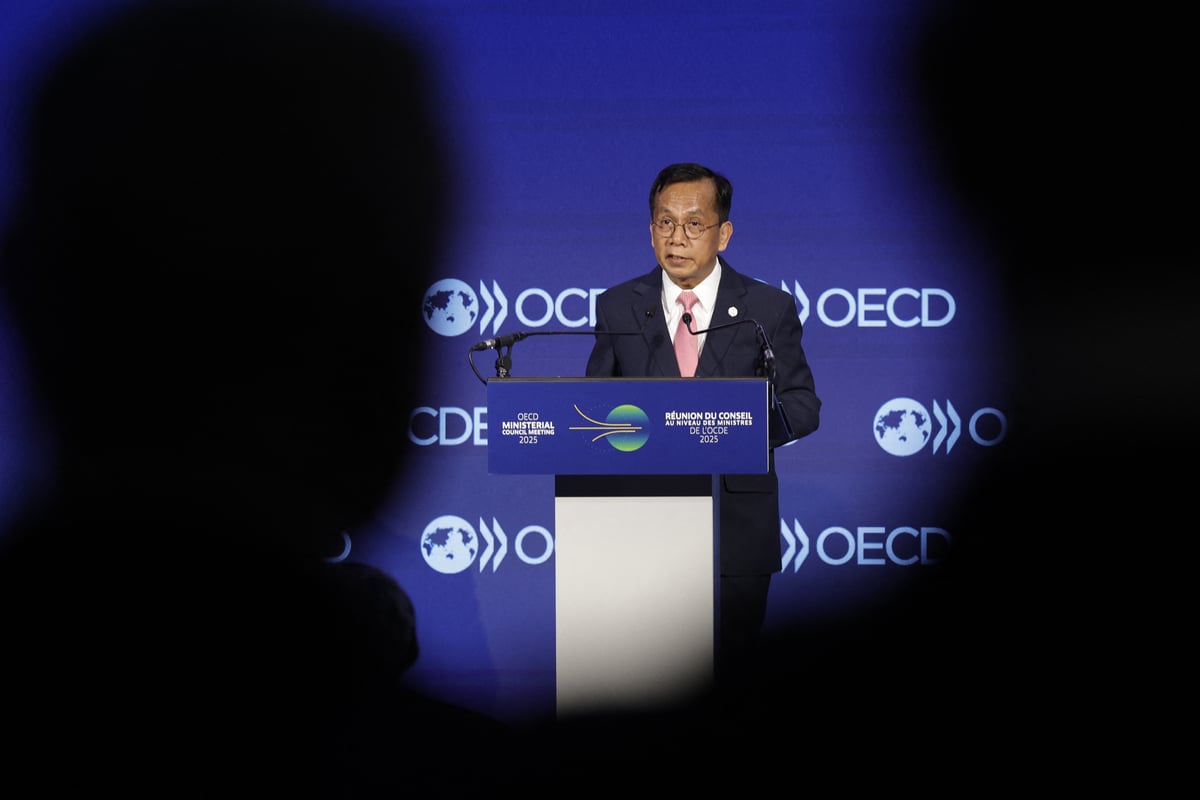
The transition took place during the recent OECD 2025 Ministerial Council Meeting held on 3 to 4 June 2025, where key global and regional leaders gathered to discuss economic resilience amid increasing global uncertainties. With this co-chair role, the Philippines signals its commitment to driving innovation and sustainable development in partnership with regional and international players.
According to the Department of Economy, Planning and Development (DEPDev), this milestone highlights the Philippines’ expanding influence as a key player in fostering collaboration around pressing issues such as digital economy advancement, private sector engagement, and sustainable infrastructure.
DEPDev Secretary Arsenio Balisacan highlighted the strategic partnership with Canada as a foundation for enhanced cooperation in addressing challenges such as economic inclusivity and responsible corporate governance.
Trade conflicts arise
“Through this co-chairship, we welcome the opportunity to exchange experiences with regional partners and collaborate on shared priorities — particularly in areas such as private sector engagement, digital economy advancement and innovation promotion,” Balisacan said.
The co-leadership role comes at a critical time when countries are navigating a fragmented global trade environment. Balisacan shared the government’s proactive approach toward economic resilience, emphasizing trade diversification, digital transformation, and pragmatic policies on artificial intelligence governance.
Experts view this development as an affirmation of the Philippines’ readiness to take on more significant roles in international economic forums, reflecting its evolving status as a regional economic hub.