




PEZA taps Zeroboard to decarbonize ecozones
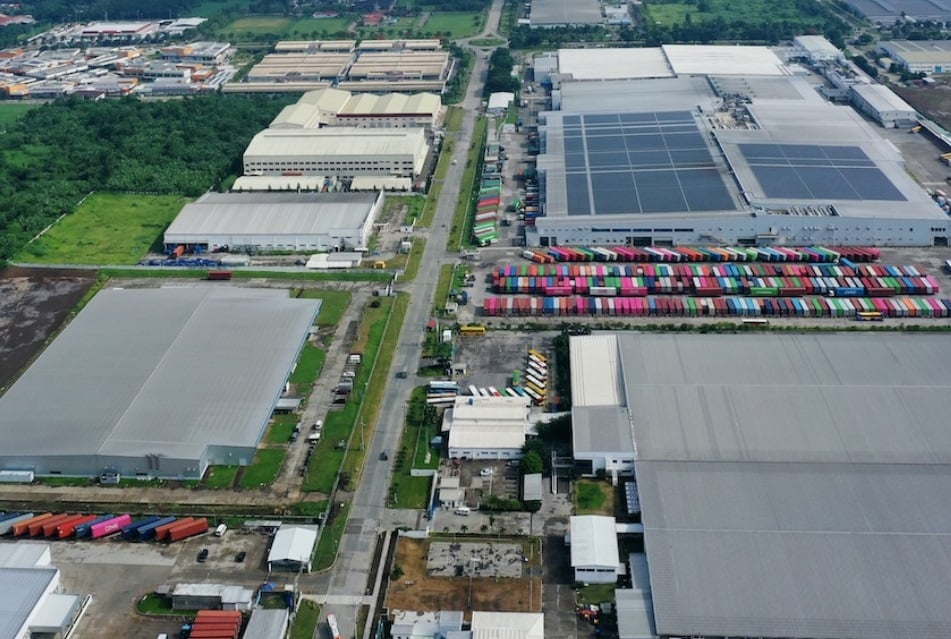
ZEROBOARD will equip firms in special economic zones with a cloud platform that will calculate the companies’ carbon emissions.
PHOTOGRAPH COURTESY OF AIEE
ZEROBOARD will equip firms in special economic zones with a cloud platform that will calculate the companies’ carbon emissions.
PHOTOGRAPH COURTESY OF AIEE
Japan’s Zeroboard Inc. has partnered with the Philippine Economic Zone Authority (PEZA) to establish a decarbonization model and provide green certifications for economic zone locators.
PEZA and Zeroboard signed a memorandum of understanding (MoU) for the undertaking, the latter said on 22 May.
PEZA promotes investments and facilitates business operations in designated special economic zones. Zeroboard provides various cloud service for collecting, managing and disclosing environmental, social and governance (ESG) items that can be incorporated into corporate strategies.
“Through this MoU, PEZA and Zeroboard will jointly contribute to achieving the Philippines’ net-zero goals and strengthening green supply chains, while establishing a leading decarbonization model within ASEAN,” Zeroboard said.
To create the decarbonization model, Zeroboard will equip firms in special economic zones with a cloud platform that will calculate the companies’ carbon emissions, transfer such data to Zeroboard digitally, and analyze emissions figures to help Zeroboard provide them with green solutions. Currently, there are more than 400 PEZA-registered enterprises.
Aside from its data technology, Zeroboard said it will conduct training sessions for companies to help their staff operate recommended green technologies.
“The MoU aims to enhance sustainable industrial development and strengthen the global competitiveness of PEZA-registered export-oriented enterprises by supporting the measurement, visualization, and reduction of greenhouse gas emissions,” Zeroboard said.
A study by McKinsey & Company on global firms revealed companies with lower carbon emissions and were publicly-listed grew their profits by at least 10 percent. They also increased shareholders’ return twice faster than those with high carbon emissions.
According to the ASEAN Council, investments in green technologies also create over 40 million jobs in Southeast Asia and grow the region’s economy by over $3 trillion by 2050.
“Climate action is also crucial to maintaining ASEAN’s economic growth. Climate-related regulations such as the Carbon Border Adjustment Mechanism that will be introduced by the European Union in 2026 will impact trade and investment in the region, given the tariffs imposed on carbon-intensive products,” the ASEAN Council said.
Three decades after the Marcopper mining disaster devastated Marinduque’s waterways, the province is again pressing the…
Housing is probably the biggest issue affecting people the world over.
Malacañang on Monday called for a more thorough investigation into the questioned flood control projects in Taguig…
The defense on Monday backed the move by senator-judges to exclude a prosecution witness who testified on the firearms…
