




Phivolcs Modernization Act lauded

Text size
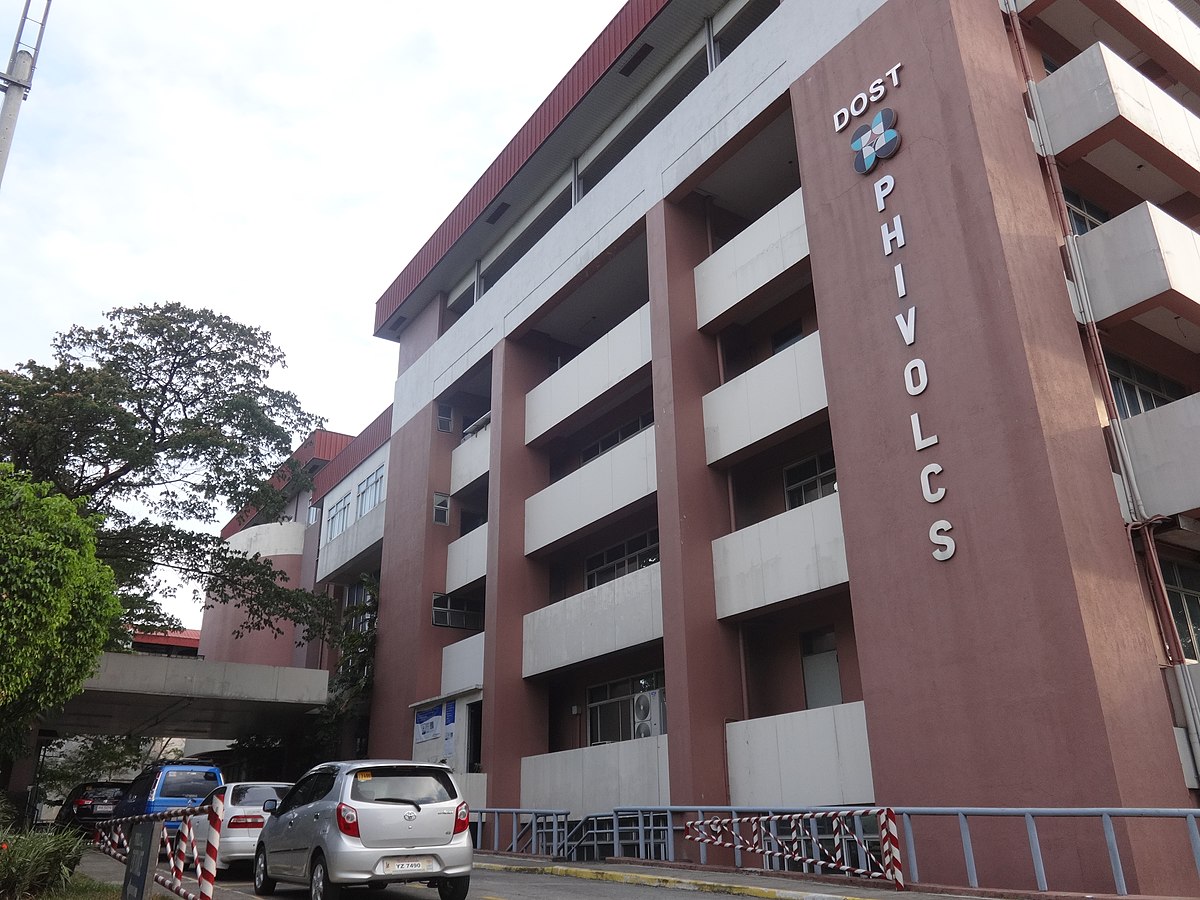
CAGAYAN DE ORO CITY — Various infrastructure and science-related agencies, institutions and organizations in Northern Mindanao acknowledged the passage of the Philippine Institute of Volcanology and Seismology (Phivolcs) Modernization Act Modernization Act, calling it “a major milestone for disaster science in the country.”
The Phivolcs Modernization Act (Republic Act 12180) has seen significant progress in 2025, even as President Marcos signed the act into law on 24 April 2025, allocating P7 billion over five years for modernization efforts.
The signing is expected to boost upgrading of equipment, enhance monitoring capabilities, and improve the institute’s overall capacity to predict and respond to volcanic eruptions, earthquakes and tsunamis.
Engr. Romela N. Ratilla, regional director of the Department of Science and Technology in Region 10 (DoST-X) and vice chairperson for Disaster Prevention and Mitigation, led the 74 representatives from government agencies, academic institutions, and scientific organizations that are members of the Regional Disaster Risk Reduction and Management Council Prevention and Mitigation Committee in acknowledging the Phivolcs Modernization Act and in emphasizing its upliftment effects toward the inter-agency collaboration and science-based approaches to disaster resilience all over the country.
The inter-agency collaboration highlights the key provisions and goals embodied in the Act as aiming to significantly improve Philvolcs’ ability to monitor and warn the public about seismic and volcanic events.
Specific goals include upgrading physical resources and operational standards, enhancing research capabilities, expanding seismic monitoring stations, strengthening data centers, and fostering stronger collaboration at the national level.
“The modernization fund worth P7 billion will be used to purchase instruments, equipment, facilities, and technology related to earthquake, volcanic, and tsunami hazards, enhancing the nation’s assessment and warning capabilities. Additionally, the act addresses personnel issues, including salary adjustments and incentives to attract and retain skilled scientists,” it said.
Philvolcs X officer-in-charge Engr. Rainier Amilbahar shared with the DAILY TRIBUNE seismic and geohazard data, emphasizing the region’s vulnerability to liquefaction and tsunami events. He recommended that local government units (LGUs) conduct “Walk the Fault” activities and integrate spectral acceleration maps and microtremor studies into planning.
Legislative History
The bill’s journey through Congress involved significant support. The House of Representatives passed House Bill 10730 in August last year.
Later, the Senate also approved a version of the bill.
Ongoing Impact
The modernization efforts are already having an impact. Phivolcs has recently released an Ilokano-language earthquake sourcebook to improve disaster preparedness in affected communities, including the ongoing monitoring and warnings issued by Phivolcs, such as those related to Kanlaon Volcano’s increased seismic activity, demonstrates the importance of the agency’s work.
Philippine Atmospheric, Geophysical, and Astronomical Services Administration (PAGASA)-Mindanao also announced the operationalization of X-band weather radars in Bukidnon, enhancing rain monitoring across more areas in Mindanao.
Meanwhile, the Infrastructure Audit Program, led by Department of Interior and Local Government (DILG) with support from DoST, the Office of Civil Defense, and academic partners announced the conduct of a Training of Trainers that will be conducted in June for civil engineers from LGUs and higher education institutions.
Three decades after the Marcopper mining disaster devastated Marinduque’s waterways, the province is again pressing the…
Housing is probably the biggest issue affecting people the world over.
Malacañang on Monday called for a more thorough investigation into the questioned flood control projects in Taguig…
The defense on Monday backed the move by senator-judges to exclude a prosecution witness who testified on the firearms…
