




SCUTTLEBUTT


Text size
During global giant HSBC’s annual general meeting, Chairman Mark Tucker vowed to review its lending policies to conglomerates, particularly a Filipino corporation that now dominates the country’s energy sector.
A participant from a local advocacy group said, “I traveled from the Philippines to ensure that an urgent concern that affects millions of Filipinos back home comes to your attention — that is, your complicity in the escalating threat to the Verde Island Passage, or VIP.” “We have informed you about San Miguel Corporation’s ongoing coal expansion. One new coal plant began operations last year, and more units are expected to go online soon. And yet, instead of divesting from your fossil fuel investments, especially those that harm the VIP, you have nearly tripled your investments in San Miguel since our last engagement,” the environmental advocate said.
Other European financial institutions have begun responding to these calls. DWS and Erste committed to divest from San Miguel Corp., while BNP Paribas stated that financing fossil gas in the VIP was not part of its strategy.
In response to the concern raised, Tucker said: “We’re not making commitments, we’re reviewing commitments. Regarding your second point about coal in the Philippines, I will ask the team to review our position there. I am unaware of the position, but I will ask the team to look at that.”
HSBC remains one of Europe’s most prominent investors in fossil fuels, currently holding $81.9 million in bonds tied to San Miguel Corp., the conglomerate at the center of controversial fossil gas and LNG development in the VIP.
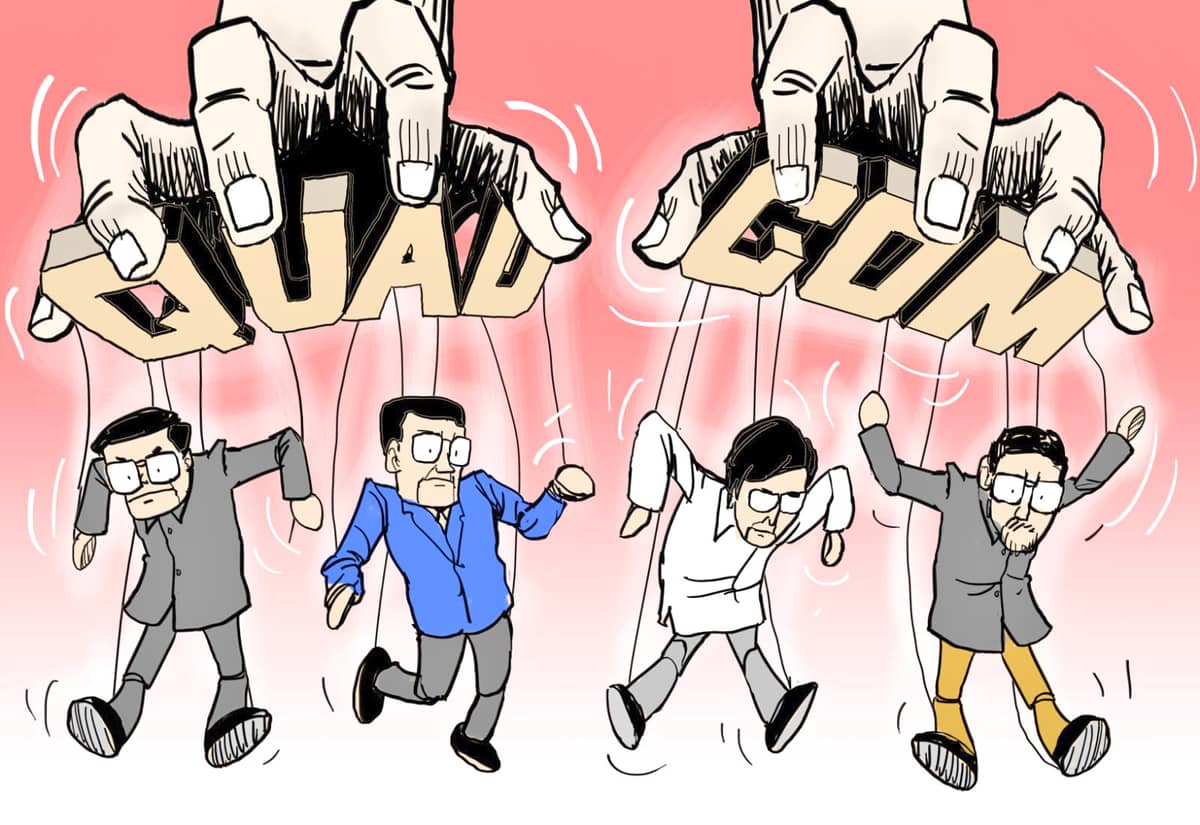
The failure of the House of Representatives’ Quad Committee (QuadCom) to conclude its investigation into former President Rodrigo Duterte and Vice President Sara Duterte has raised suspicions that its members are being manipulated.
The probe stopped just as the trail was about to lead to a foreign power planting sleeper cells in the country, including in the legislative body
Last year, the QuadCom launched an all-out probe into the seeming contradictions in the former administration’s war on illegal drugs.
During the inquiry, Michael Yang, whom former President Duterte had appointed as his economic adviser, was linked to several questionable deals, including the anomalous Pharmally transactions at the height of the Covid-19 pandemic.
The QuadCom probe also uncovered the alleged roles of Yang’s henchmen in drug trafficking, money laundering, cyber fraud, and violent crimes.
Nothing concrete was established, however. Even more alarming was the growing evidence that some individuals seeking public office received support from the notorious Philippine Offshore Gaming Operators (POGO) or allegedly ran these operations themselves.
The election to Congress of the POGO-linked bets was aligned with the aim of a foreign power to plant dummies in Congress.
Suspicions simmered as the QuadCom was on the verge of pouncing on its prey when it suddenly went cold on the trail. The QuadCom failed to conclude its probe and did not recommend the filing of cases against the personalities in Yang’s network.
Thus, the suspicion grows more assertive that the QuadCom targeted political monoliths instead of unearthing the truth in its probes.
A director and filmmaker from Toronto, Canada has finally learned why he had a green spot on his left earlobe.
Cesar E.A. Virata, prime minister during the Ferdinand Marcos Sr. administration and one of the country’s…
A spokesperson for Senator Loren Legarda said the veteran senator may be talking with some colleagues to pave the way…
