
Check-in to success: Trends and strategies in hospitality for 2025
Trends and strategies in hospitality for 2025


The Philippine travel and tourism industry is gaining significant momentum, drawing the attention of major international hospitality brands.
According to Colliers Philippines’ quarterly report, this expansion is driven by the sector’s growth potential, bolstered by ongoing government efforts to modernize key infrastructure, including airports. While international arrivals fell short of the government’s 2024 target, the outlook remains optimistic, supported by a rise in tourist spending and an influx of new hotel developments across the country.

While international arrivals fell short of the government’s 2024 target, the outlook remains optimistic, supported by a rise in tourist spending and an influx of new hotel developments across the country.
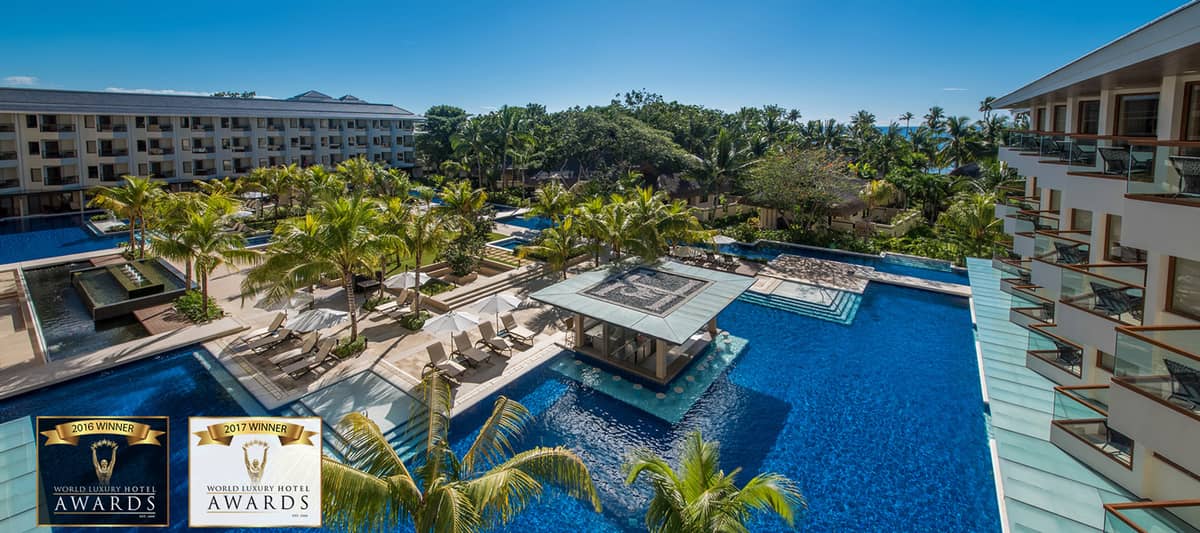
PHOTOGRAPH COURTESY OF DISCOVERY HOTELS BORACAY
A promising landscape for hotels
In 2024, international arrivals to the Philippines reached 5.95 million, marking a 9.2 percent increase over the previous year. While the figures were below the government’s target of 7.7 million, the tourism sector showed resilience, with a record-high tourist expenditure of P760 billion ($13.1 billion), up from P600 billion ($10.3 billion) in 2019.
This growth in spending indicates that visitors are not only staying longer but are also spending more during their trips. Despite a slight shortfall in visitor numbers, the average expenditure per arrival remained the highest in Southeast Asia at $2,073, signaling a robust recovery in the market.
The report highlights the potential of the sector, with Colliers projecting that international arrivals will increase to 7.7 million in 2025, with a steady annual growth rate of 9.8 million visitors from 2025 to 2029. This growth is expected to raise hotel occupancy rates and average daily rates (ADR), providing favorable conditions for hospitality businesses.
Hennan Resort in Bohol.
PHOTOGRAPH COURTESY OF HENNAN RESORTS
Supply and demand dynamics
On the supply side, the hotel sector saw the completion of 2,700 new rooms in 2024, in line with the prior year’s supply but lower than initially projected due to construction delays.
In 2025, Colliers forecasts a more substantial increase in supply with the addition of 2,680 new hotel rooms, particularly in high-demand areas such as Makati CBD and the Bay Area. This influx of new rooms is expected to complement the rising demand driven by foreign tourist arrivals, resulting in stable hotel occupancies across Metro Manila.
Despite slower-than-expected supply growth in 2024, the long-term outlook for hotel development remains positive, with annual room deliveries expected to reach 1,600 units from 2025 to 2027. This is lower than pre-pandemic levels but still a steady pace that aligns with the growth in tourism and business events.
The ADR for Philippine hotels showed a 2.7 percent increase in 2024, signaling a recovery from the Covid-19 pandemic’s impact. The growth in room rates is expected to continue into 2025, with Colliers projecting a 3 percent rise.
The demand for meetings, incentives, conferences and exhibitions (MICE) facilities, along with the increase in long-haul, high-spending tourists, will play a key role in driving ADR growth.
Four-star hotels, in particular, saw the highest ADR growth, reflecting sustained demand for business events in major hubs.

The tourism sector showed resilience, with a record-high tourist expenditure of P760 billion ($13.1 billion), up from P600 billion ($10.3 billion) in 2019.
PHOTOGRAPH COURTESY OF UNSPLASH/JERRY KAVAN
Opportunities for hotel developers
Colliers Philippines urges hotel developers to expand beyond Metro Manila and invest in high-growth provincial markets like Cagayan de Oro, Davao and Bohol. Partnering with established local developers can provide a competitive edge in these emerging tourist hubs.
A new policy allowing foreign investors to lease land for up to 99 years for tourism-related projects enhances investment security and is expected to attract global hotel brands. Additionally, the rise of hotel real estate investment trusts (REITs) presents new opportunities, with major firms like Ayala Land, DoubleDragon and Filinvest incorporating hotel assets into their portfolios.
Infrastructure upgrades, particularly at NAIA and Clark airports, are set to boost travel demand. Developers should explore secondary cities such as Bacolod, Baguio and Cebu for new projects, aligning with government efforts to expand tourism beyond Metro Manila.
Colliers highlights these trends as key opportunities for developers to capitalize on policy changes, investment shifts, and infrastructure growth, ensuring long-term success in the evolving hospitality sector.
The Philippine hotel sector is poised for significant growth over the next few years. As international arrivals increase, particularly from high-spending tourists, and infrastructure developments enhance accessibility, both foreign and local hospitality players have a wealth of opportunities to explore.
Whether through strategic partnerships, the development of hotels in emerging destinations, or leveraging the growth of hotel REITs, the Philippine hospitality market presents a promising landscape for developers and investors alike.
The relentless expansion of international hospitality brands in the Philippines is a testament to the sector’s potential, with Colliers projecting an optimistic outlook through 2025 and beyond. With continued government support, the future of Philippine tourism and hospitality looks exceptionally bright.