




SCUTTLEBUTT


Text size
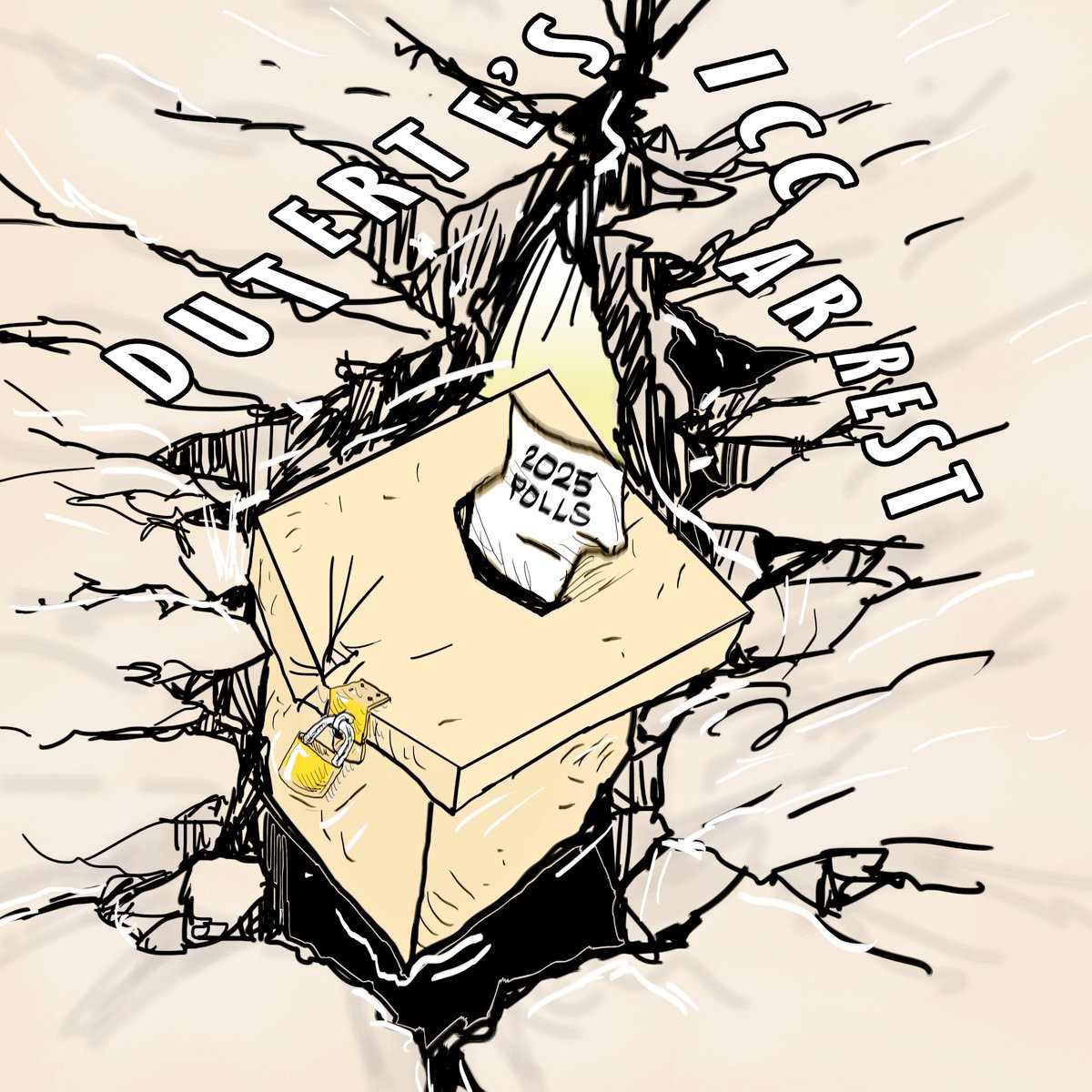
The political landscape is quaking, and many candidates are feeling the initial tremor.
Former President Rodrigo Duterte’s arrest has unleashed a storm of unintended consequences for the administration’s local government candidates. What was meant to be a decisive move — perhaps a flex of international accountability or a nod to global pressure — has backfired spectacularly.
A governor has let slip what many suspect: the rank and file of the administration are gripped by dread, their electoral prospects crumbling under the weight of a growing protest vote.
This isn’t just a hiccup, it’s a seismic shift. Duterte, for all his controversies, remains a towering figure in politics — a symbol of unapologetic strength to his base, particularly in the Visayas and Mindanao, where loyalty to his brand of governance runs deep.
The optics of his “desperate hauling” to The Hague, as a nosy Tarsee put it, has painted the administration as complicit in a foreign-orchestrated humiliation.
To many voters, it’s not justice but a betrayal. The faux pas lies not in the arrest itself but in the clumsy, almost theatrical execution, which has ignited a backlash that no one in power saw coming.
The surge in the protest vote is the real story here. Candidates who once coasted on name recognition and entrenched machinery are now staring down a revolt from an electorate that feels insulted, not appeased.
The Visayas, a region known for its fierce regional pride, isn’t taking kindly to what some see as Manila’s kowtowing to the ICC — a body Duterte rejected when he pulled the Philippines out of its ambit in 2019.
The administration’s gamble of bolstering its moral credibility has instead handed Duterte’s supporters a rallying cry, turning local races into referendums on his legacy.
What’s compelling, and frankly a little ironic, is how this blunder has exposed the disconnect between the political elite and the pulse of the people.
The revelation isn’t just insider gossip but a warning flare. The administration’s candidates, once untouchable in their turfs, are now scrambling to distance themselves from a decision that has alienated the very voters they need.
The protest vote isn’t just a rejection of the arrest — it’s a rejection of a government that misread the room so badly it could cost them everything. In the Visayas, where loyalty and pride often outshine policy debates, this could be the spark that redraws the political map.
An official of the International Monetary Fund (IMF) has apologized to the Bangko Sentral ng Pilipinas (BSP) for a “terrible” report on the Philippine economy.
A BSP official said this was how the IMF official described the report by the global institution’s visiting agents in the Philippines.
The local central banker said the BSP highlighted one paragraph that inaccurately painted a picture of the recent Philippine economy and most likely its future.
