
HALLYU KATRIBU: ‘The Vegetarian’ by Han Kang — Revolting from within
‘The Vegetarian’ is deeply drenched in taboos and scandal, so unsettling that sometimes it makes you want to close the book in disbelief. Written by Han Kang, South Korean Nobel Peace Prize 2024 winner, it is a piece of transgressive literature that everyone should read.


Han Kang’s The Vegetarian is one of the most hauntingly beautiful novels I have read.
Translated from Korean by Deborah Smith, the book centers on women who are persecuted for daring to establish their own identity in a community encapsulated by standards and stereotypes.
The first chapter is told by the protagonist’s husband, Mr. Cheong, who unabashedly describes Yeong Hye as “completely unremarkable in every way.” As a wife, she doesn’t get worked up if he comes home late. How he, a completely ordinary man himself who chose a job that values his unremarkable skills, thinks that it is only fair that he should marry the most run-of-the-mill woman in the world.
According to him, Yeong Hye completely makes for an ordinary wife who goes about things without any distasteful frivolousness. She is a woman of few words. Never demands anything. She would often shut herself in her room on her days off. He also finds it unusual when she doesn’t wear a bra, completely oblivious to the fact that she can be hypersensitive.
Until one night, he finds her standing in front of the fridge, motionless.
It is the first time Mr. Cheong had gone to work without his wife handing him his things and seeing him off. Because of this, he goes home earlier than usual only to find their fridge close to empty. Only ingredients for miso soup are left.
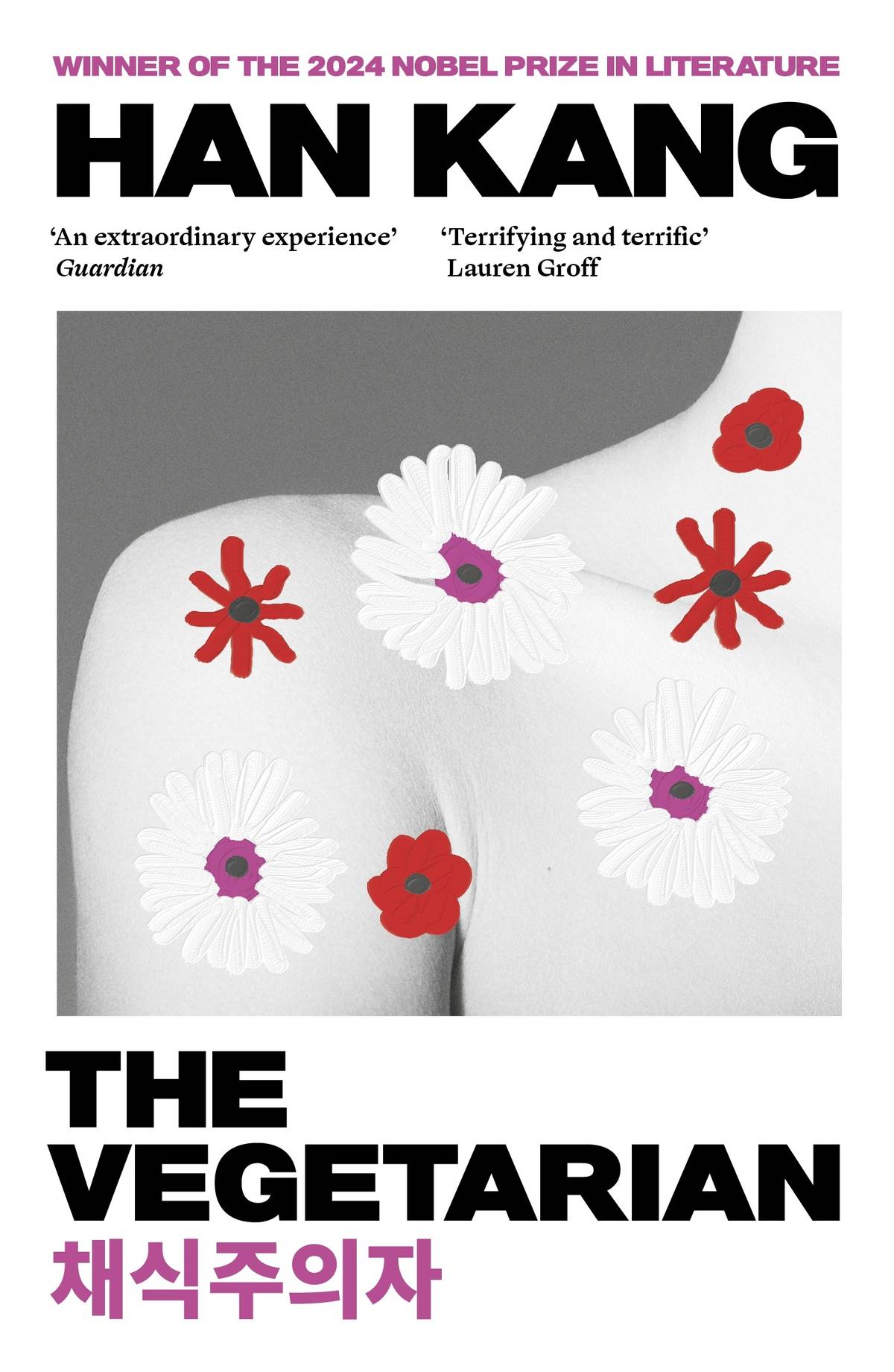
Yeong Hye’s sudden vegetarianism spurs life-changing moments for her family.
PHOTOGRAPHS COURTESY OFgranta books
Yeong Hye had gone vegetarian.
Spring comes and he never sees a single piece of meat pass her lips. Her diet has changed, but so does her routine. Yeong Hye doesn’t so much as pick up her spoon, is now actively avoiding sex, isn’t reading a book and even her fashion sense as she has thrown out anything made of leather from her closet.
Mr. Cheong seeks the help of her patriarchal parents. All he receives are shame and sympathy, yet they are all ready to give Yeong Hye a dressing down.
One night he returns home late, grabs a hold of his wife and pins her down. Despite her strong resistance and a couple of vulgar curses, he succeeds in inserting himself after three attempts. Then it hits him. She only managed to stare blankly at the ceiling, as though she were a “comfort woman” and he a Japanese soldier requiring her services.
The second chapter is told from the point of view of Yeong Hye’s brother-in-law, a video artist. His wife, In Hye, remains the breadwinner of their family and the primary caretaker of their young son.
The brother-in-law, who remains unnamed throughout the novel, is obsessed with filming men and women covered in flowers having sex. Soon enough, he is becoming sexually obsessed with Yeong Hye. There is no other work he wants to do, he would spend hours lost in a daydream, mulling on how he can make the image of becoming sexually near his sister-in-law a reality.
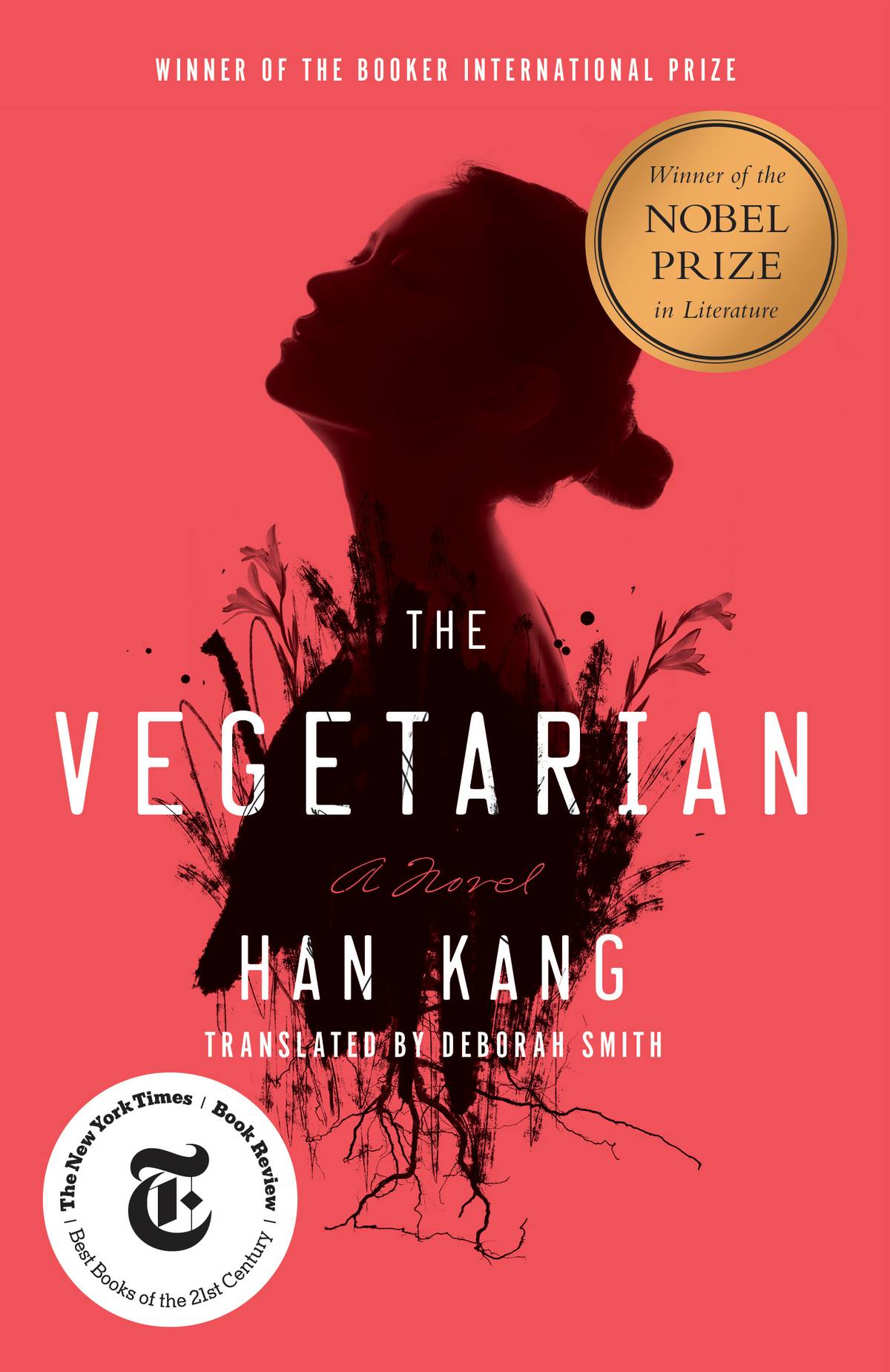
‘The Vegetarian’ is deeply drenched in taboos and scandal, so unsettling that sometimes it makes you want to close the book in disbelief.
How men in this novel think, I don’t know. Like Mr. Cheong, the brother-in-law is dissatisfied with his wife. He would rather turn his attention to his sister-in-law and manages to get her to do the film, much to the horror of his wife.
The third and final chapter is narrated by In Hye, who is traveling to the psychiatric hospital where her sister now lives. The narrative flashes forward to her reminiscing her childhood, often thinking that Yeong Hye grew up to be more reserved.
She closes her eyes, mulls over the fact that everything went wrong after her sister became a vegetarian. It was the turning point of their lives.
It turns out that In Hye is suffering from a polyp and Yeong Hye has schizophrenia. Yet, the reasons for her sudden lifestyle change remain vague. Though the last pages seem ambiguous, I’m sure In Hye waited for her son to grow before abandoning him. She realized she couldn’t take care of him.
The sisters, both broken, are alone in the end.
The Vegetarian is deeply drenched in taboos and scandal, so unsettling that sometimes it makes you want to close the book in disbelief. Written by a Nobel Peace Prize winner, it is a piece of transgressive literature that everyone should read.