




SCUTTLEBUTT


Text size
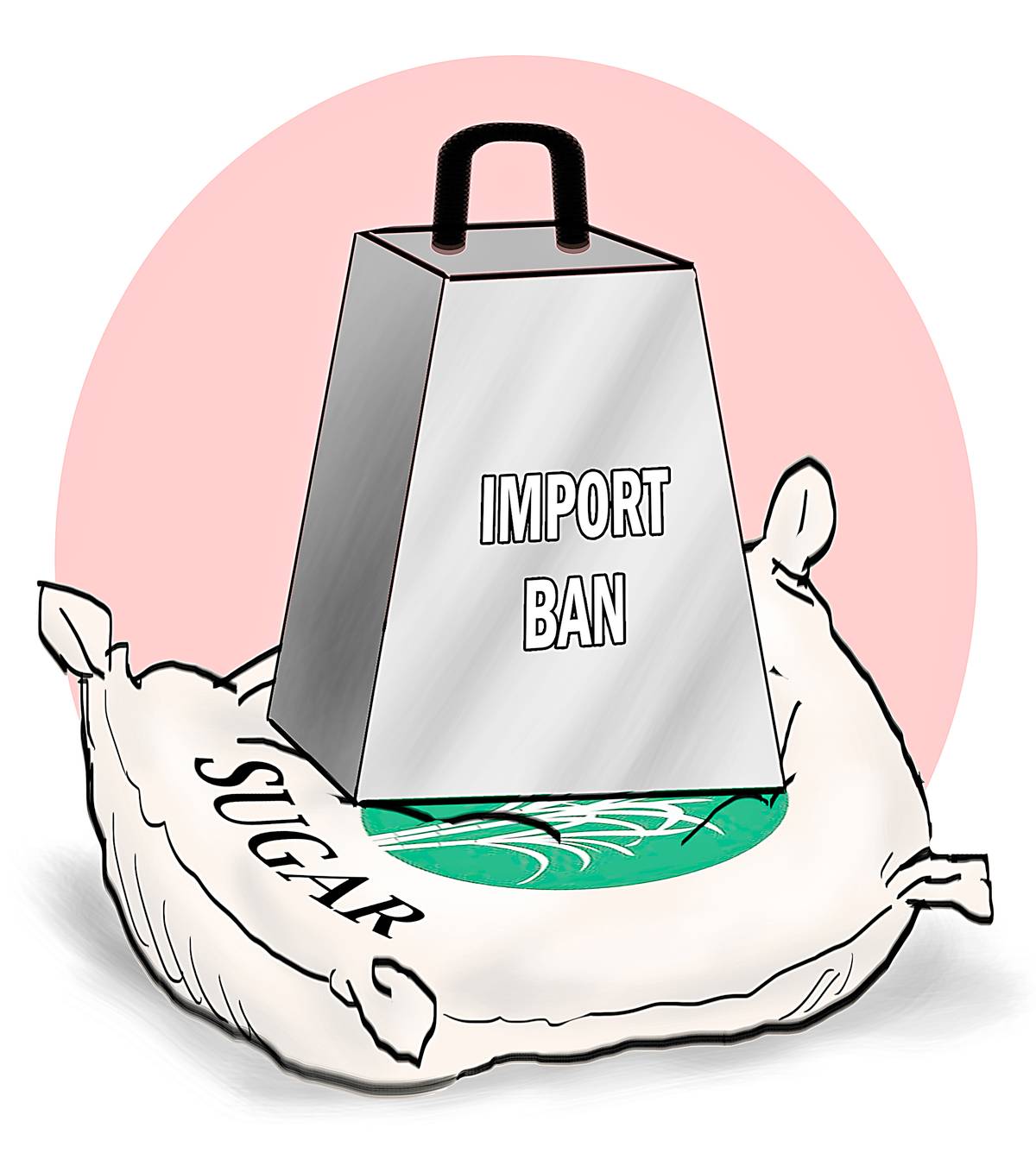
The government has decided to hold off sugar importation until at least May, citing a stable domestic supply of both raw and refined sugar as the harvest season ends. However, major consumers are urging authorities to allow imports sooner.
El Niño is expected to significantly reduce production, with the Sugar Regulatory Administration (SRA) forecasting a 7.29 percent drop in output. Persistent inefficiencies in production, lack of infrastructure, and outdated farming practices further aggravate the situation.
The estimated sugar output of 1.78 million metric tons (MMT) for the 2024–2025 period highlights the industry’s ongoing struggles and vulnerability to climate disruptions.
Alarmingly, this figure is even lower than the 1.8 MMT recorded during the 2021–2022 sugar crisis. According to the Department of Science and Technology, El Niño’s impact in the coming crop year could lead to higher production costs and reduced profitability for farmers.
Proactive measures — such as efficient irrigation systems and improved soil management — are crucial to mitigating the drought’s effects.
Meanwhile,consumers can expect rising costs for sugar and sugar-based products due to declining supply and increasing farmgate prices. The market strain may lead to higher expenses for households and industries reliant on sugar.
The country’s unpredictable weather poses additional risks. Apart from the damage caused by El Niño’s dry conditions, the Philippines remains highly vulnerable to typhoons.
Without strong, sustained programs to protect them from extreme weather, many farmers may struggle to recover — some could even be forced to abandon farming altogether.
The challenge intensifies as the Philippine Atmospheric, Geophysical and Astronomical Services Administration predicts that 19 to 20 tropical storms could form or enter the country in 2025.
Rather than taking a “wait-and-see” approach until midyear — when sugar supplies may dwindle and prices are likely to surge — industries that heavily rely on sugar are urging the government to reconsider lifting the import ban now.
Some couples regard a public marriage proposal as romantic. A pair in China decided to do it during the concert of a…
Tulfo advised the prosecution panel to be more mindful of the lawyers it assigns to present witnesses to keep the…
The attempt to sabotage a flydubai airlines flight may have been intended not only to endanger its 174 passengers but…
