
The Chinese in Us — Reconciling Culture and Conflict

Lion dances mask stormy seas The paradox is striking, as the Philippines resists Chinese aggression in the West Philippine Sea, it also wholeheartedly embraces Chinese cultural traditions. This duality reflects centuries of intertwined histories, where trade and migration have left an indelible mark on Filipino identity. From food and language to family values, Chinese influence runs deep, making the celebration of Chinese New Year not just a nod to another culture, but a recognition of our own. Yet, culture and politics are never entirely separate. While Filipinos honor their Chinese heritage, they remain wary of Beijing’s growing assertiveness in the region. Economic ties between the two nations continue to strengthen, even as territorial disputes fuel national frustration.
PHOTOGRAPHS BY Aram Jan Lascano, John Carlo Magallon and ANALY LABOR FOR THE DAILY TRIBUNE
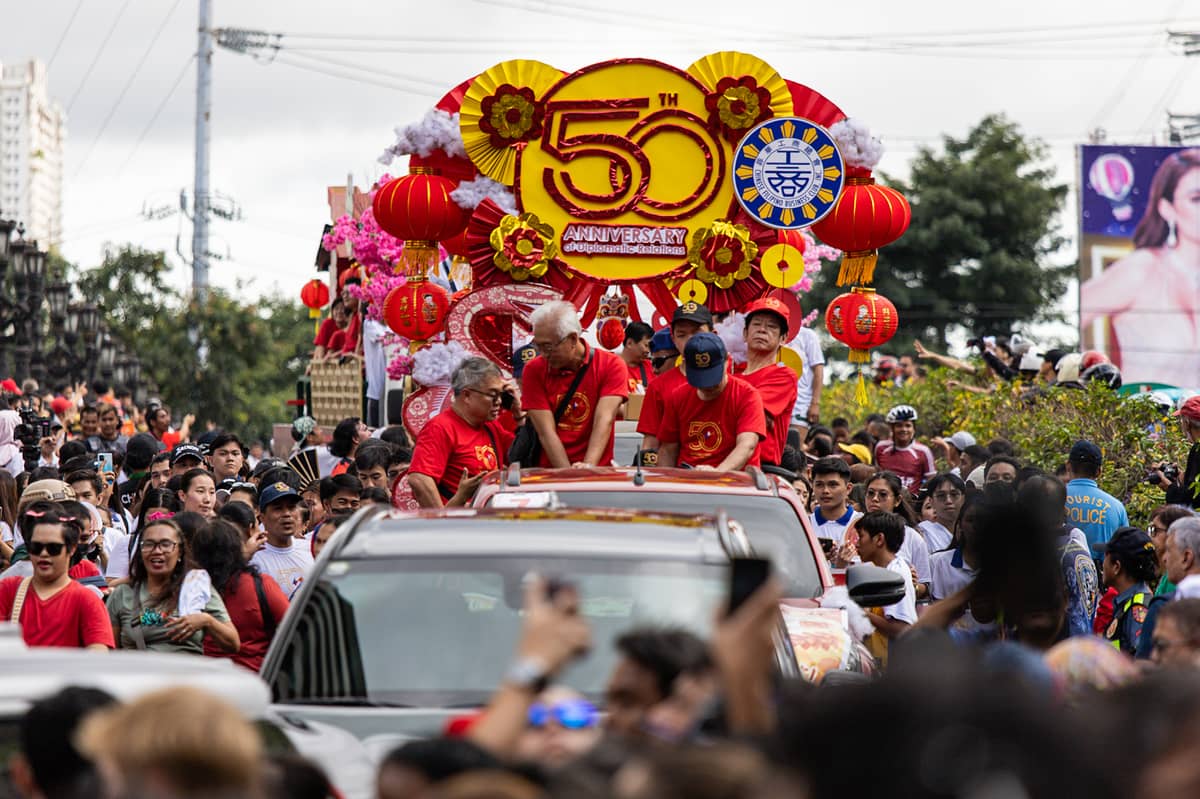
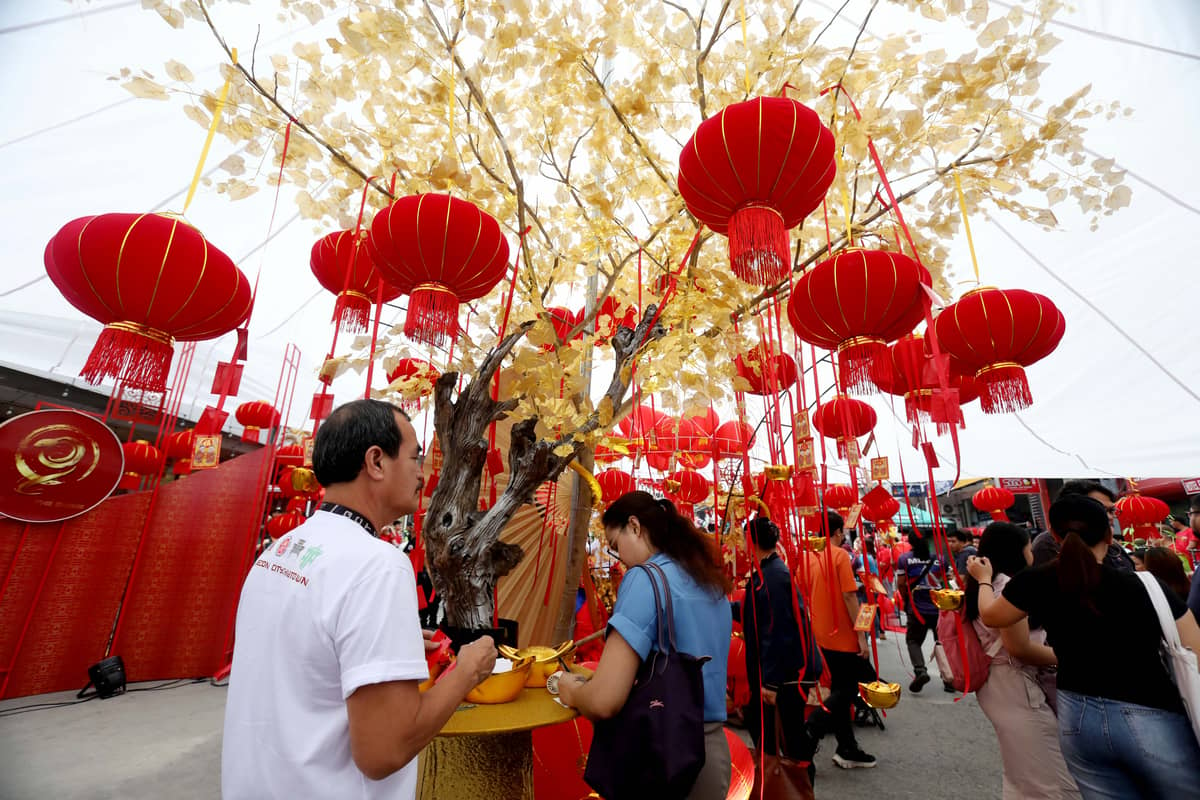
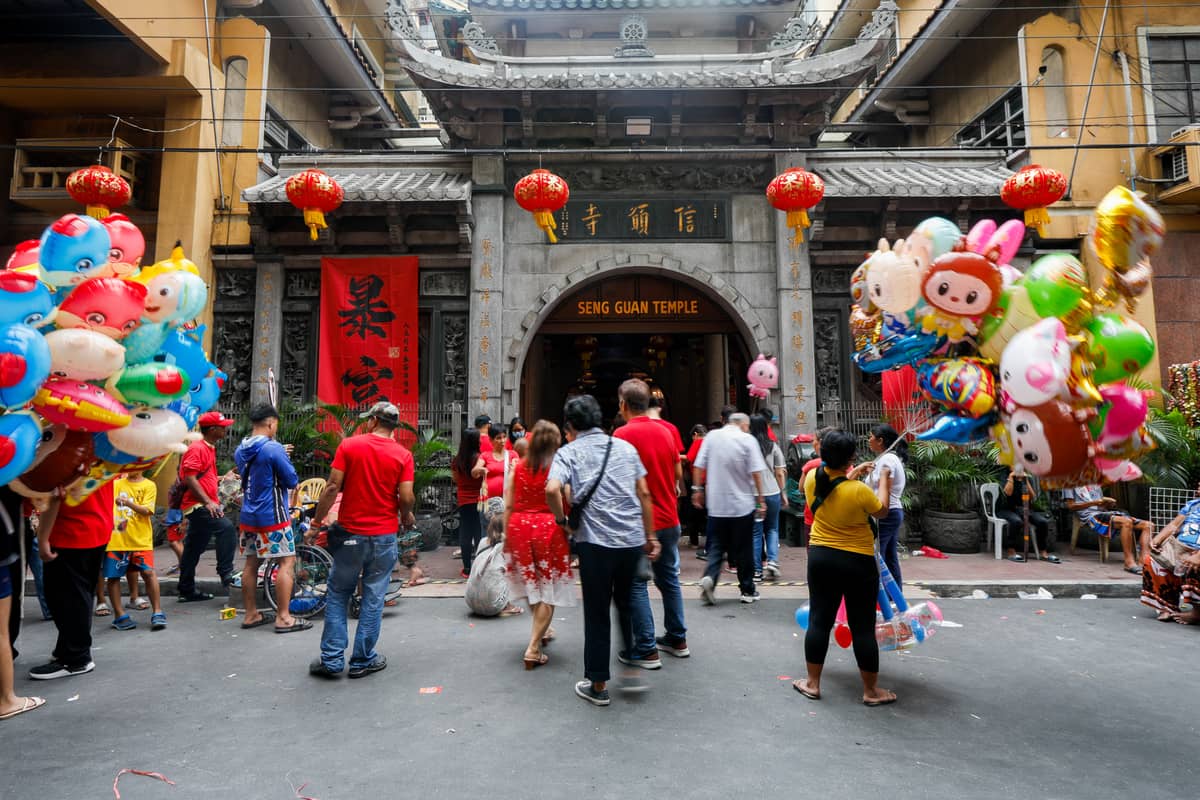
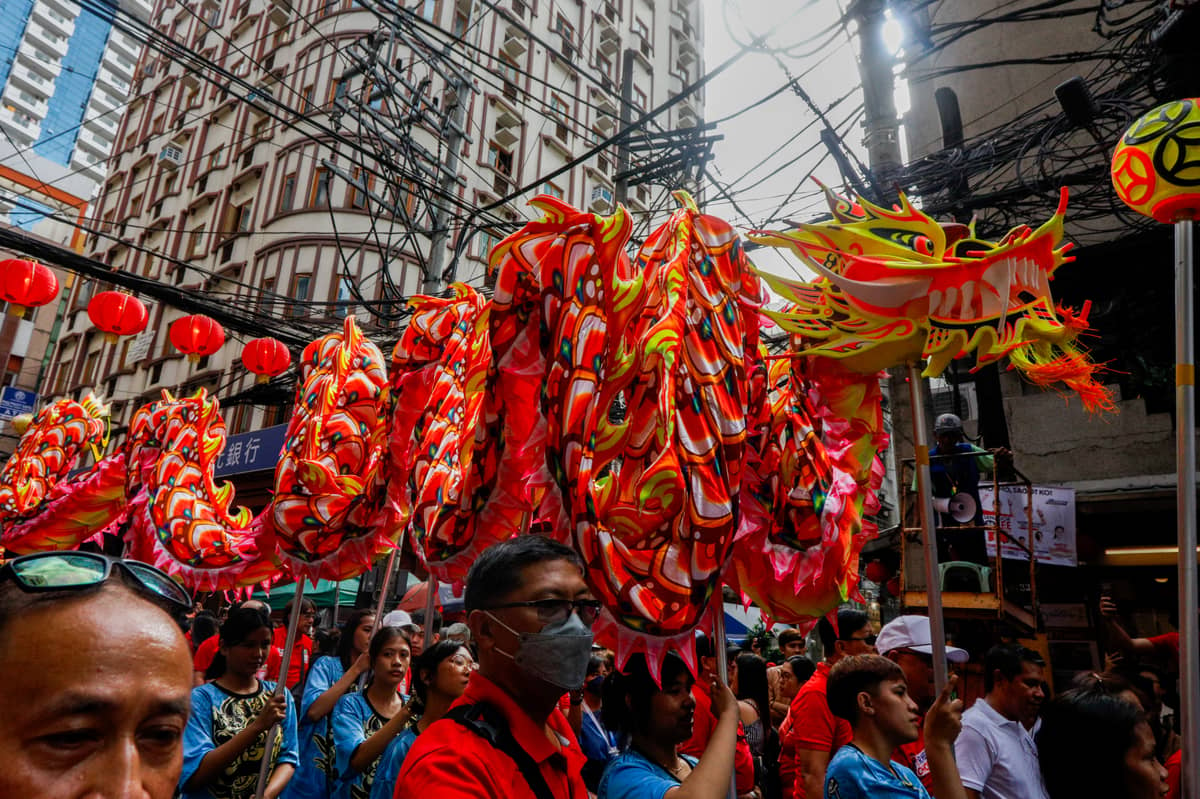
Filipinos have an uncanny ability to celebrate amid turmoil, and last week’s Chinese New Year revelry in Binondo was proof of that.
Despite ongoing tensions in the West Philippine Sea, the nation’s oldest Chinatown burst into color, sound and festivity, seemingly oblivious to the geopolitical dispute that continues to strain Philippine-China relations.
Firecrackers roared, lion dancers paraded and tikoy was exchanged as if there were no maritime incursions, no water cannon attacks and no diplomatic protests. This paradox — celebrating Chinese culture while resisting Chinese aggression — underscores the deep-rooted influence of our shared history and the complexities of our national identity.
JohnCarloMagallon
ANALY LABOR
The Philippines and China share more than a contested sea; they share centuries of cultural exchange. Long before the Spaniards set foot on our shores, Chinese traders were already bartering silk, porcelain, and tea in pre-colonial settlements.
Over time, Chinese migrants assimilated, their customs merging with local traditions. Today, surnames like Lim, Sy and Co are as Filipino as Rizal, Bonifacio and Aquino.
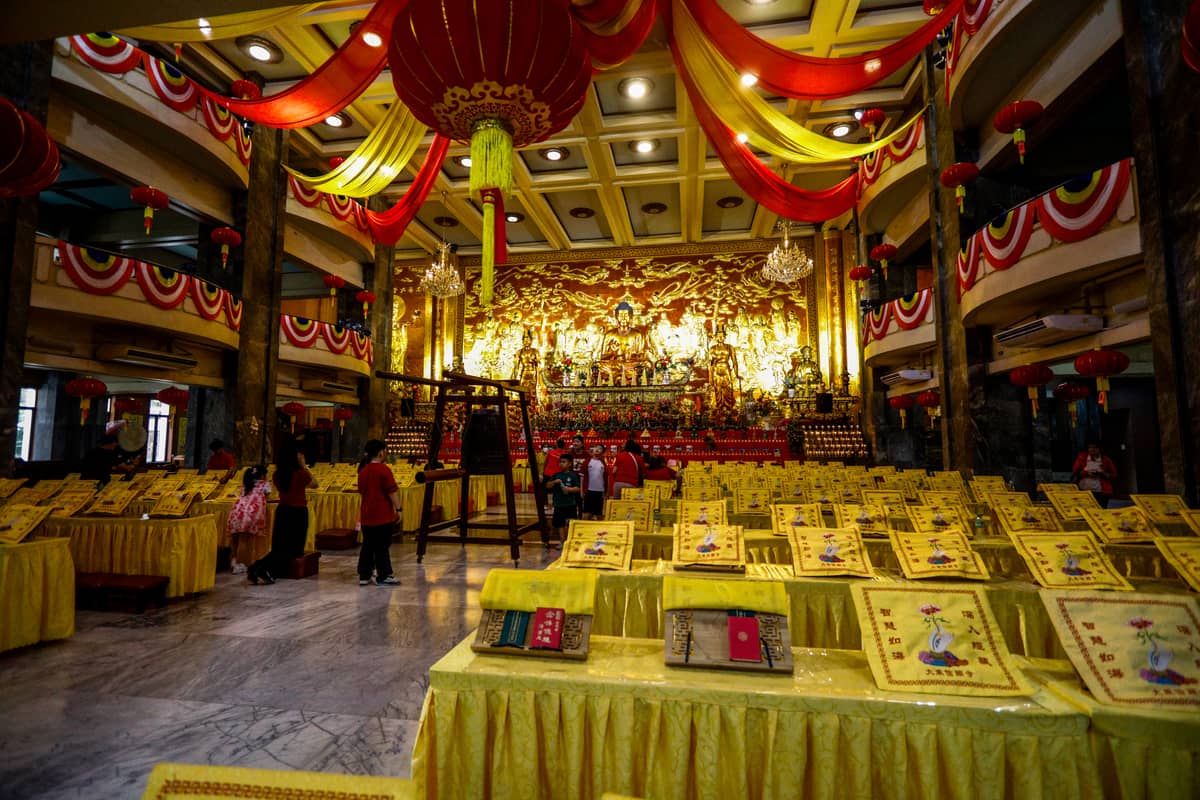
Our cuisine boasts influences from dim sum to pancit. Even our beliefs, from feng shui to family-oriented values, bear traces of our Chinese heritage. The celebration of Chinese New Year, then, is not just about honoring another culture — it is also about honoring a part of ourselves.
Aram Lascano
Aram Lascano
But while cultural appreciation is distinct from political alignment, it is difficult to separate one from the other. China’s increasing assertiveness in the West Philippine Sea continues to be a source of national frustration, yet our economic ties remain strong.
Chinese businesses are deeply embedded in the Philippine economy, from Binondo’s commercial hubs to the large-scale infrastructure projects under the government’s Belt and Road Initiative. This interdependence complicates the national narrative: how do we resist a neighbor with whom we are so economically and culturally entwined?
Aram Lascano
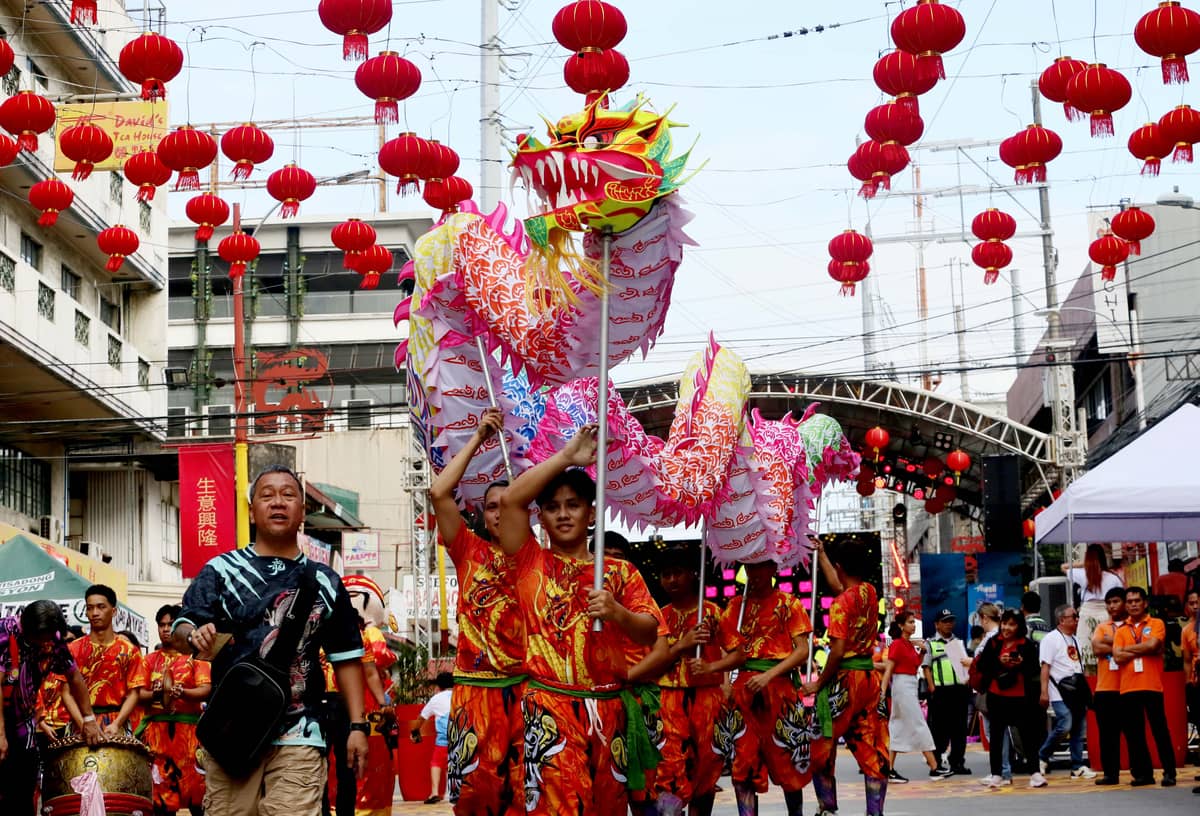
The answer may lie in perspective. The Chinese New Year celebrations in Binondo reflect not a blind loyalty to China, but an embrace of the Chinese-Filipino identity that has long been part of our nation’s fabric.
It is possible — and necessary — to stand firm in defending our sovereignty while acknowledging the cultural heritage that has enriched us. After all, our history with China is not defined solely by conflict, just as our identity is not shaped solely by politics.