
Apo Reef, Turtle Islands, Twin Lakes named ASEAN Heritage Parks
Like Ramsar sites, the ASEAN Heritage Parks also play critical roles in climate change mitigation and adaptation by serving as flood control and biodiversity protector.


The Climate Change Commission (CCC) welcomed the inclusion of three Philippine natural wonders — Apo Reef Natural Park, Turtle Islands and Balinsasayao Twin Lakes — among the five newest ASEAN Heritage Parks announced by the ASEAN Center for Biodiversity.
This latest milestone brings the total number of Philippine ASEAN Heritage Parks to 14, with unique habitats that serve as sanctuaries for endangered species and vital resources for local communities.
Apo Reef Natural Park, the largest contiguous coral reef system in the Philippines and the second-largest in the world, is home to over 482 fish species and 63 coral genera, along with rare marine invertebrates and iconic species such as dugongs and whale sharks.
The Turtle Islands Wildlife Sanctuary, recognized as the only major nesting habitat of the Green Sea Turtle in ASEAN and the 11th largest nesting site globally, plays a pivotal role in conserving this endangered species. Its critical importance for biodiversity conservation was recognized through various national and international legal frameworks, ensuring its long-term protection.
Balinsasayao Twin Lakes Natural Park, with its mountainous landscape and diverse ecosystems, is a vital source of clean water and supports a wide range of wildlife, making it essential to both biodiversity and local livelihoods.
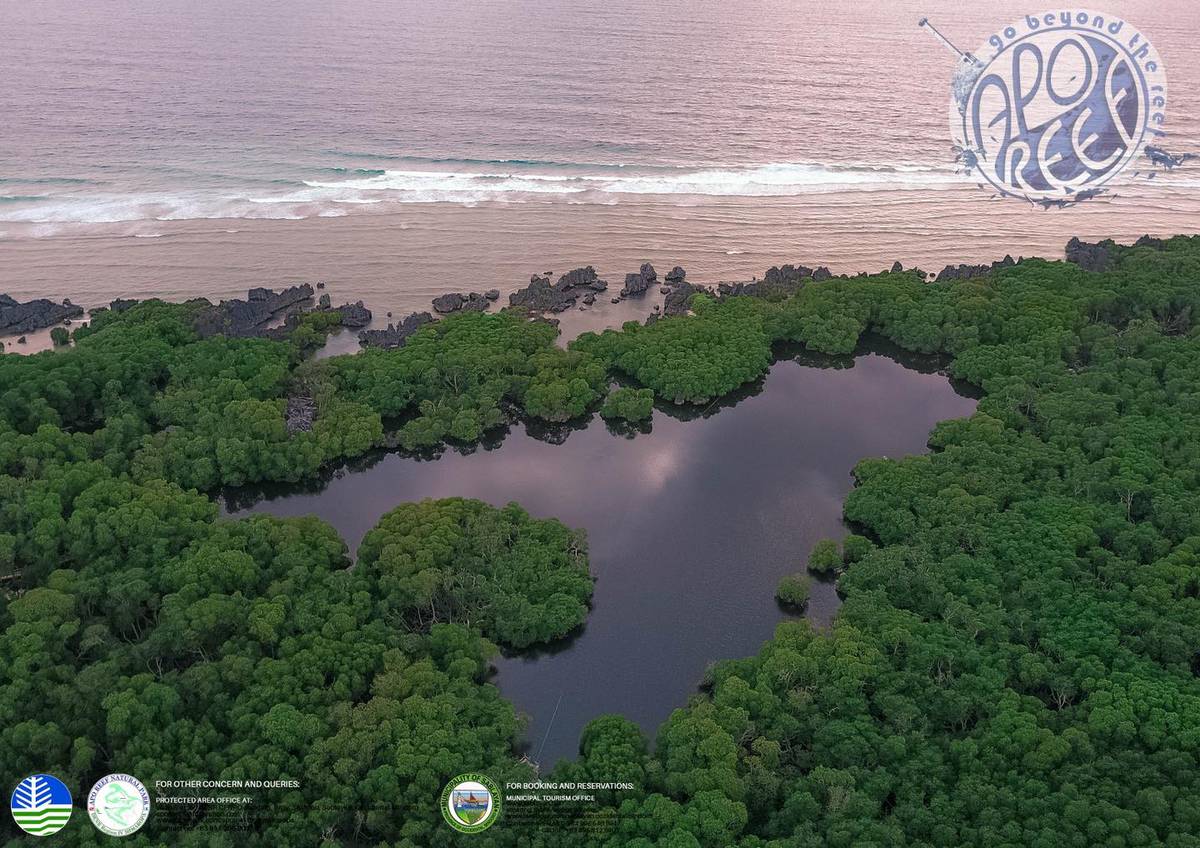
Apo Reef Natural Park is the largest contiguous coral reef system in the Philippines and the second-largest in the world.
PHOTOGRAPH COURTESY OF ARNP
Ocean ecosystems, such as coral reefs and mangrove forests, play a crucial role in mitigating climate change. They absorb vast amounts of carbon dioxide from the atmosphere, acting as natural carbon sinks. Healthy marine environments also help regulate global temperatures and protect coastal communities from extreme weather events.
“We must integrate climate change considerations into the management of these protected areas. By prioritizing sustainable practices, such as reducing pollution and overfishing, we can enhance the resilience of our marine ecosystems and safeguard their contributions to climate change mitigation,” CCC vice chairperson and executive director Robert E.A. Borje urged.
The CCC also highlighted the connection between the newly recognized ASEAN Heritage Parks and the two recently designated Ramsar Wetlands of International Importance: Sibugay Wetland Nature Reserve and Del Carmen Mangrove Reserve. These Ramsar sites, like the ASEAN Heritage Parks, also play critical roles in climate change mitigation and adaptation by providing vital ecosystem services, such as flood control and biodiversity protection.
“Their protection and sustainable management are key priorities as we implement the National Adaptation Plan and our Nationally Determined Contribution Implementation Plan,” Borje added.
Amid the escalating impacts of climate change, these protected areas contribute to climate adaptation and mitigation efforts. The CCC remains committed to supporting the protection and sustainable management of these areas in collaboration with local communities, stakeholders and government agencies.