
Unity in sustainability: SM Markets, supplier-partners shaping responsible production, greener shopping habits
SM Markets, Sanicare, Royal Breadhaus and Under The Sea join forces for a common cause.


Renato Sio, founder of Sanicare, champions quality and sustainability in hygiene, driving the company’s success and social responsibility.
PHOTOGRAPHS COURTESY OF SM MARKETS
What do the consumer brands Sanicare, Royal Breadhaus and Under the Sea have in common? These products are available in SM grocery stores and all their makers are partners of SM Markets in promoting sustainability.
SM Markets is the leading supermarket chains operating under the SM Group of Companies, one of the biggest corporations in Asia.
Among the hygiene products of Sanitary Care Products Asia Inc., Sanicare for short, are biodegradable cutlery and trash bags. The cutlery made from starch are eco-friendly alternatives to plastic eating utensils that pollute the ocean. So are Sanicare trash bags, that break down over time.
Sanicare papers are made of materials sourced from sustainable tree farms and are chemical-free for the health and safety of its users.
Reinforcing Sanicare’s strong dedication to eco-friendly practices is its tree-planting activities with the Haribon Foundation to preserve biodiversity.
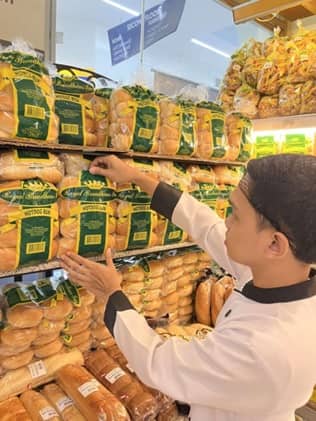
Royal Breadhaus offers more than 300 bread and pastry products.
Beyond their environmental efforts, Sanicare also invests in its employees and the local economy, employing over 500 people and offering financial support through savings and loan cooperatives approved by the Central Bank. These initiatives are part of Sanicare’s broader commitment to social responsibility.
Meanwhile, Royal Breadhaus recycles and upcycles waste, including repurposing food scraps into fertilizers and fish feed for local ecosystems like the Samal Island fish sanctuary.
“This initiative reflects our proactive approach to minimizing environmental impact,” Royal Breadhaus founders Emil and Vivian Sison says.
Royal Breadhaus has also made substantial strides in renewable energy to underscore their commitment to reducing their carbon footprint.
“All three of our plants now run on solar power for six hours daily, reducing our energy consumption by 40 percent,” according to Sison.
The bakery chain also sources ingredients such as sugar, eggs, vegetables and poultry from local farmers, actively support a local orphanage, and provide equipment, flour and baking training to foster local entrepreneurship.
Through collaboration with government agencies like the Bureau of Fisheries and Aquatic Resources, Cagayan de Oro-based Under The Sea has adopted sustainable fishing methods such as the use of Norwegian fish cages and sustainable methods for raising tilapia and bangus.
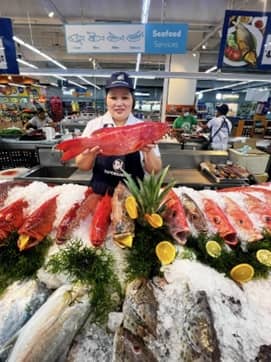
Seafoods of Under the Sea are produced through sustainable fishing that protects marine ecosystems.
Founder Christine Biongcog says their approach minimizes environmental impact while maximizing yield.
With sustainability practitioners like Sanicare, Royal Breadhaus and Under The Sea as its merchants, SM Markets, operator of SM Savemore, SM Hypermart and SM Supermarket stores, also reinforces its own sustainable business practices like reducing waste, saving energy and using resources wisely to lessen the impact on the environment and to support communities.
“At SM, our goal is to be a catalyst for responsible development in the communities we serve. We are continually finding ways to be more sustainable in our operations and bring our partners along on this journey,” says Jojo Tagbo, SM Supermarket president.