
Being prepared during disasters
Keep multiple medical kits in various locations, such as at home and work, in easily portable bags like backpacks or sling bags. Avoid leaving medication kits in cars, as extreme temperatures can compromise their effectiveness.

Living with diabetes requires daily diligence -- meal planning, managing medication and blood glucose monitoring. A natural disaster, such as an earthquake, typhoon or flooding, can disrupt this routine drastically. Proper preparedness is crucial to managing diabetes during such emergencies.
The first few days following a disaster are the most critical because it may take time for help to arrive. Food and water supply may be limited. For this reason, it is essential for you and your family to have a disaster plan and kit that can provide for your basic needs during this time.
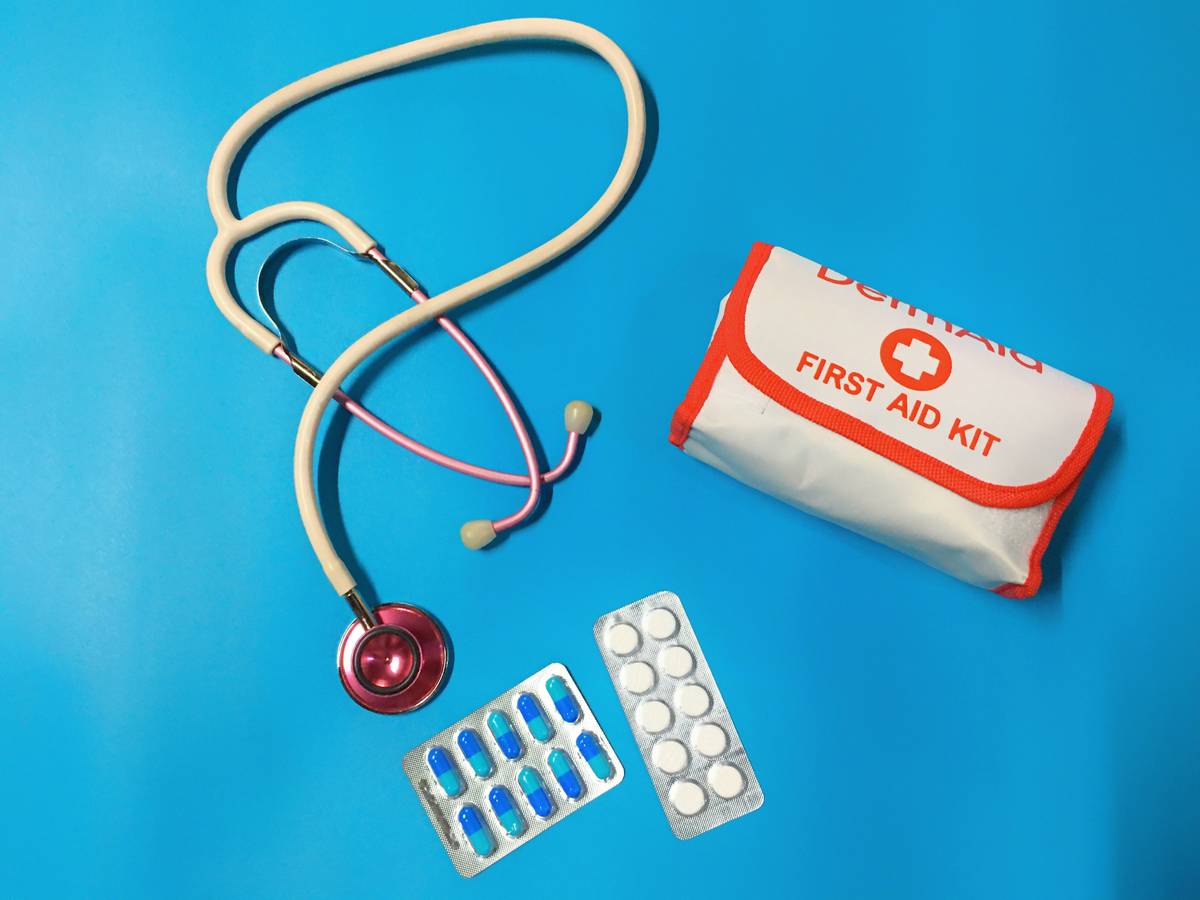
Medical kit.
Medication management
1. Prepare a Medical Kit: Assemble at least a two-week supply of diabetes medications, along with any other necessary medications like those for hypertension or blood thinners. Ensure these medications have an expiration date more than a year away. Check expiration dates every six months and replace as needed.
2. Kit Storage: Keep multiple medical kits in various locations, such as at home and work, in easily portable bags like backpacks or sling bags. Avoid leaving medication kits in cars, as extreme temperatures can compromise their effectiveness.
3. Insulin Management: For those dependent on insulin, include insulin, needles and a glucose monitor in a separate kit. If insulin needs refrigeration, prepare ice packs in advance.
4. Blood Sugar Monitoring: Stress and erratic eating patterns during a disaster can affect blood sugar levels. Adjust medication doses if necessary -- decrease if eating less or increase if blood sugars are high. Consult with your doctor beforehand to understand how to make these adjustments.
Eat regular meal.
Food and water supply
1. Food Preparation: Store non-perishable food items that can last two weeks. Choose items that are easy to prepare and not overly salty or spicy to minimize water intake. Use a large, airtight plastic bin to store food and check expiration dates regularly.
2. Water Supply: Keep a three-day supply of water for each person (at least one gallon per person per day). Boil water for at least one minute if its safety is uncertain.
3. Eating Habits: Maintain regular meal and snack times to manage blood sugar levels effectively. Avoid skipping meals and stick to a balanced diet, limiting sugary and greasy foods. Carry a source of fast sugar, like hard candies, to address potential hypoglycemia.
Hygiene and infection prevention
1. Hand Hygiene: Wash hands frequently with soap and water, or use an alcohol-based hand sanitizer if soap isn’t available. If hands are visibly dirty, clean them with wet wipes before using hand sanitizer.
2. Infection Prevention: Wear a mask if you are sick or if there are other sick people around you.
3. Water and Food Safety: Avoid using water that may be contaminated. Clean dishes and surfaces with safe water and sanitize them using bleach solutions. In emergencies, use a mask if sick or if around others who are sick.
4. Injury Prevention: Wear gloves and closed shoes to avoid injuries from broken objects or sharp debris. Regularly inspect your feet for wounds, especially if walking through potentially contaminated areas.
5. Wound Care: Keep wounds clean and covered with waterproof bandages. Avoid exposure to floodwaters and seek immediate medical attention if a wound shows signs of infection, like redness or swelling.
6. Septic System Care: In case of flooding, monitor your septic system for signs of malfunction, such as slow draining sinks or visible sewage outside. Reduce water use and avoid flushing toilets excessively if you suspect damage.
Effective disaster preparedness involves not just having the necessary supplies but also understanding the precautions needed to take care of your health during emergencies. By planning ahead and staying informed, individuals with diabetes can maintain better control over their condition until the situation has passed.