
Hostage crisis deepens: Israeli protests escalate amid calls for deal
Netanyahu faces growing pressure after brutal deaths of six captives fuel national outrage


Massive protests erupted across Israel, with demonstrators gathering in Tel Aviv, Jerusalem, and around the homes of government ministers to demand action on the hostage crisis. The protests gained urgency after six hostages were found brutally murdered in Gaza, allegedly shot at close range by fleeing Hamas fighters as Israeli forces advanced. The situation has further intensified calls for a ceasefire or even an end to the war if it would lead to the release of the remaining captives.
Public outrage is mounting as many Israelis feel betrayed by their government. Protesters are urging Prime Minister Benjamin Netanyahu to prioritize the return of hostages over ongoing military operations. They argue that Netanyahu's reluctance to make concessions is costing lives, with six hostages already killed and an unknown number still in captivity. Demonstrators are not only demanding the release of those still alive but also the retrieval of bodies so families can give their loved ones a proper burial.
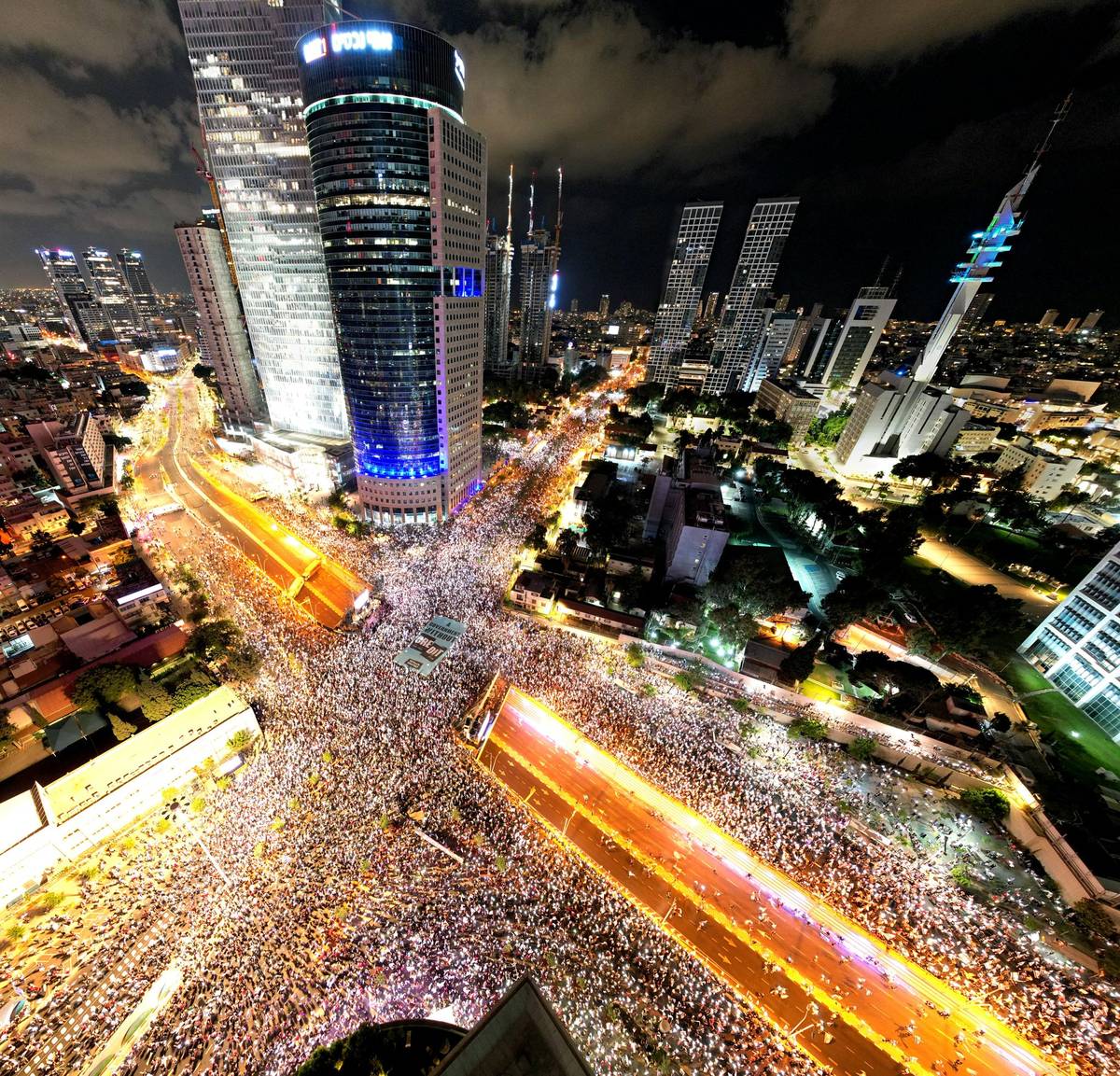
Photo by Gilad First
Security heads in Israel have voiced similar concerns, with some advocating for the evacuation of the Philadelphi Corridor along the Gaza-Egypt border as a necessary step toward securing the release of hostages. They believe that suspending military activities to focus on hostage negotiations should be the government's top priority, even if it means halting the fighting temporarily.
Amid these tensions, Netanyahu faces increasing pressure both domestically and internationally. US President Joe Biden has criticized the Israeli prime minister for not doing enough to secure a deal for the hostages’ release, while protests within Israel continue to grow in size and intensity. Critics accuse Netanyahu of valuing his political survival over the lives of the captives, with some labeling his refusal to compromise a moral failure.

Contributed photos
In a recent press conference, Netanyahu expressed regret over the deaths of the six hostages, asking for the public's forgiveness. He reiterated that Hamas had rejected all ceasefire proposals, but he also emphasized the need to maintain Israeli control over strategic areas like the Philadelphi Corridor to prevent the smuggling of weapons and hostages. His stance has frustrated many, who feel that negotiations should take precedence over military objectives.
Hamas, in turn, issued a chilling threat, warning that hostages would return "in coffins" if Israel maintained its military pressure. The militant group, which has held Israeli hostages since the 7 October attacks, has reportedly given new instructions to its fighters, signaling a possible escalation in the violence surrounding the captives.

The sign reads, "We will bring them back, they will return."
Contributed photos
Despite these grim developments, protests show no signs of slowing. Nationwide strikes, roadblocks, and vigils for the hostages have been organized, with demonstrators vowing to continue their efforts until the government prioritizes a deal. The death toll on both sides of the conflict has been staggering, with over 40,000 Palestinians reported dead, many of them women and children, according to Gaza's health ministry.
As the hostage crisis deepens, the Israeli public grows increasingly impatient. Protesters have made it clear that they will not stop until the hostages are brought home safely, accusing their leaders of abandoning them in a time of moral and humanitarian crisis.