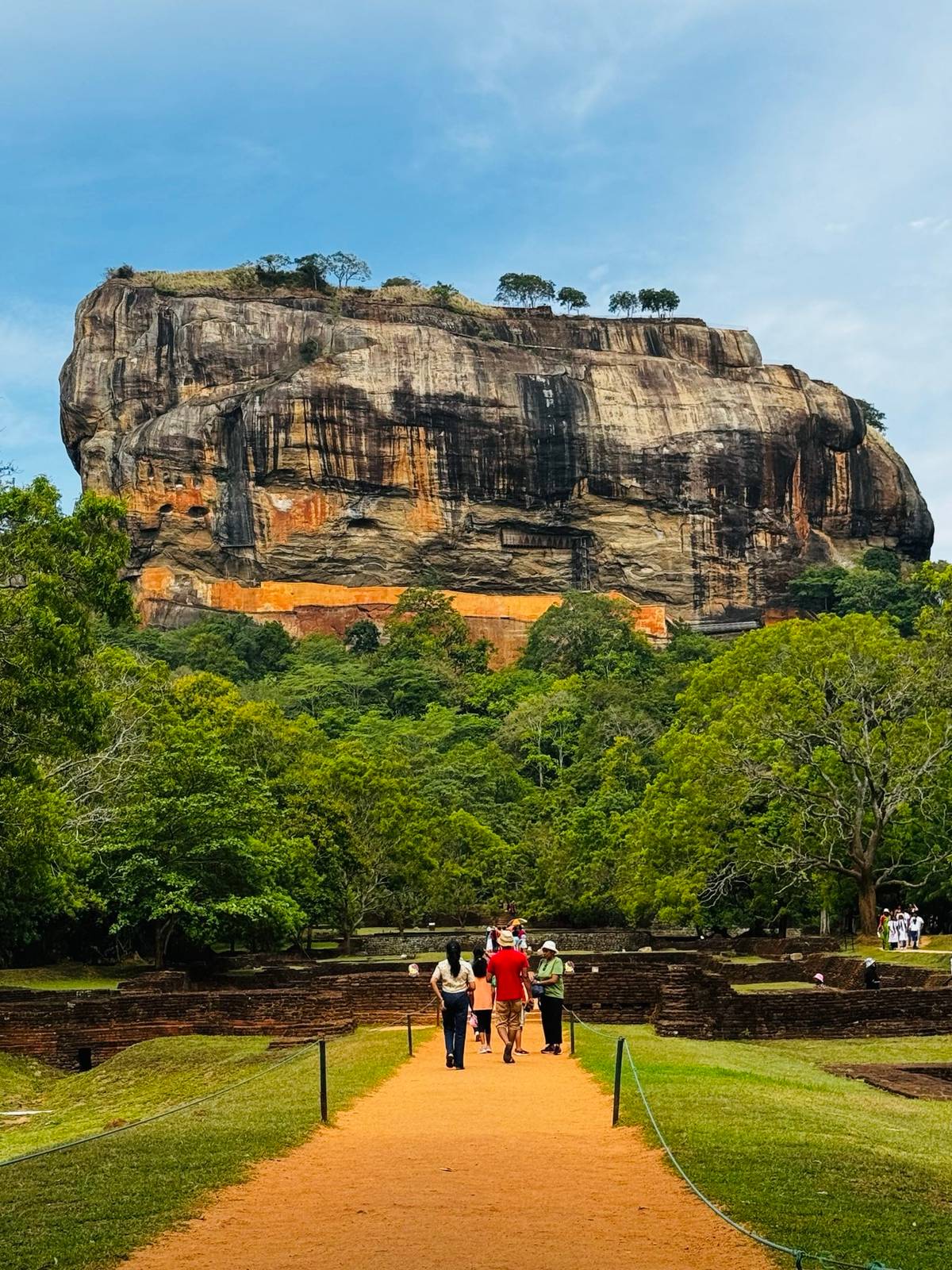
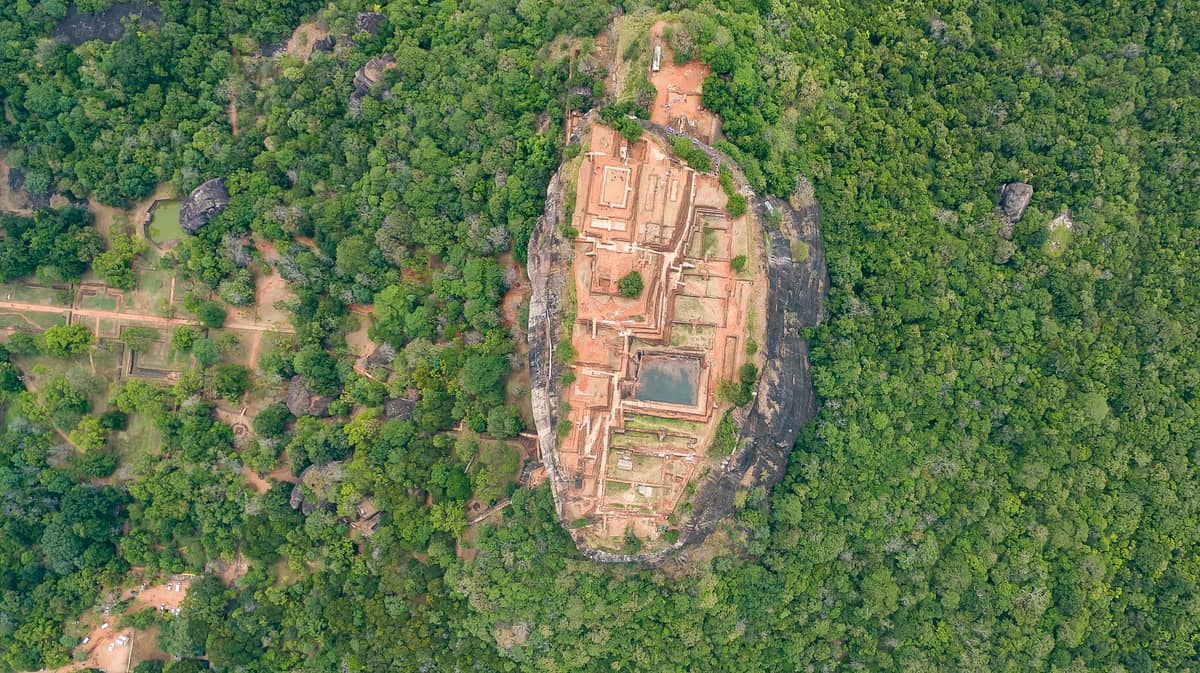
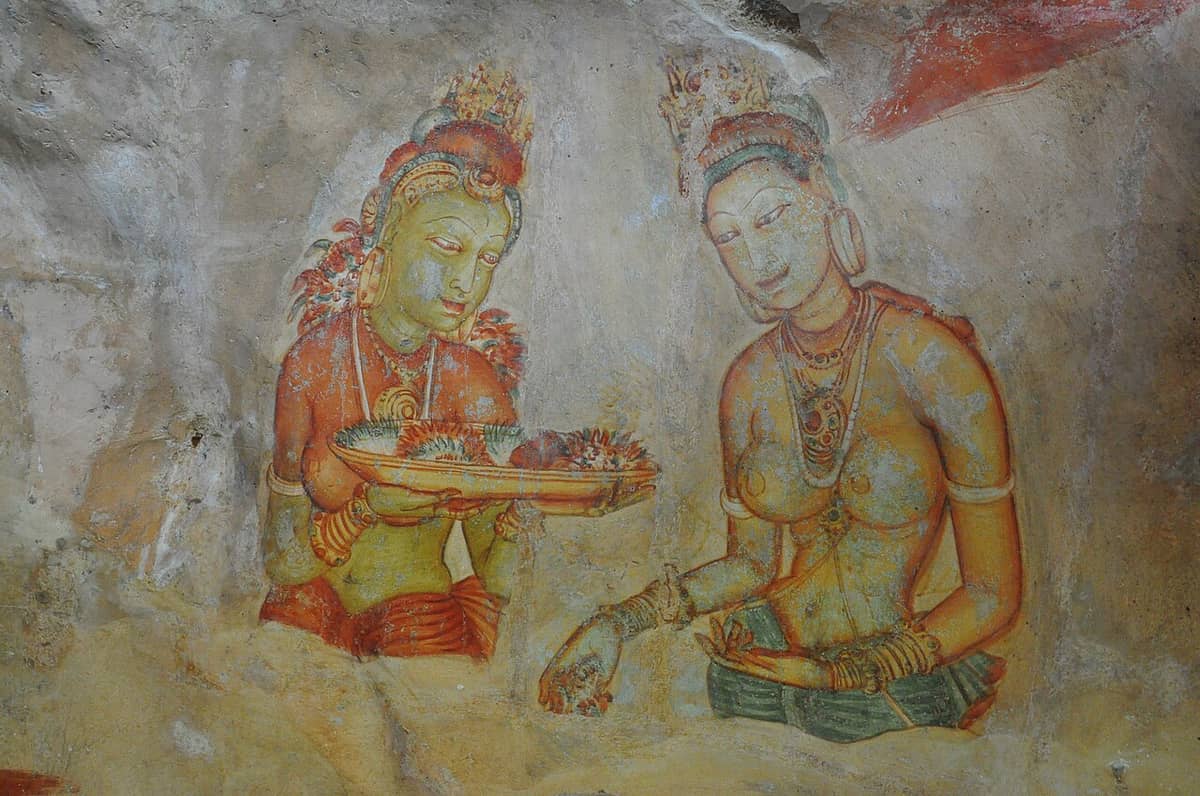
Tourists from the world over visit Sri Lanka to scale the structure, and take in the remaining frescoes from the bygone era that adorned the monolithic rock.
Preserved underground the surrounding terrace gardens is a network of clay pipes that function to this day.
“A cooling system” was how our local guide, Gihan, phrased it.
Which was exactly what we needed under that sun.
For a country of high and low terrains, you do not expect a flat-earth clime in Sri Lanka, even in destinations with just a few miles in between.
In Sigiriya, it was seasonably hot in August, which, once you’re confronted by the vertical wall as tall as noon, made the minor route more daunting.
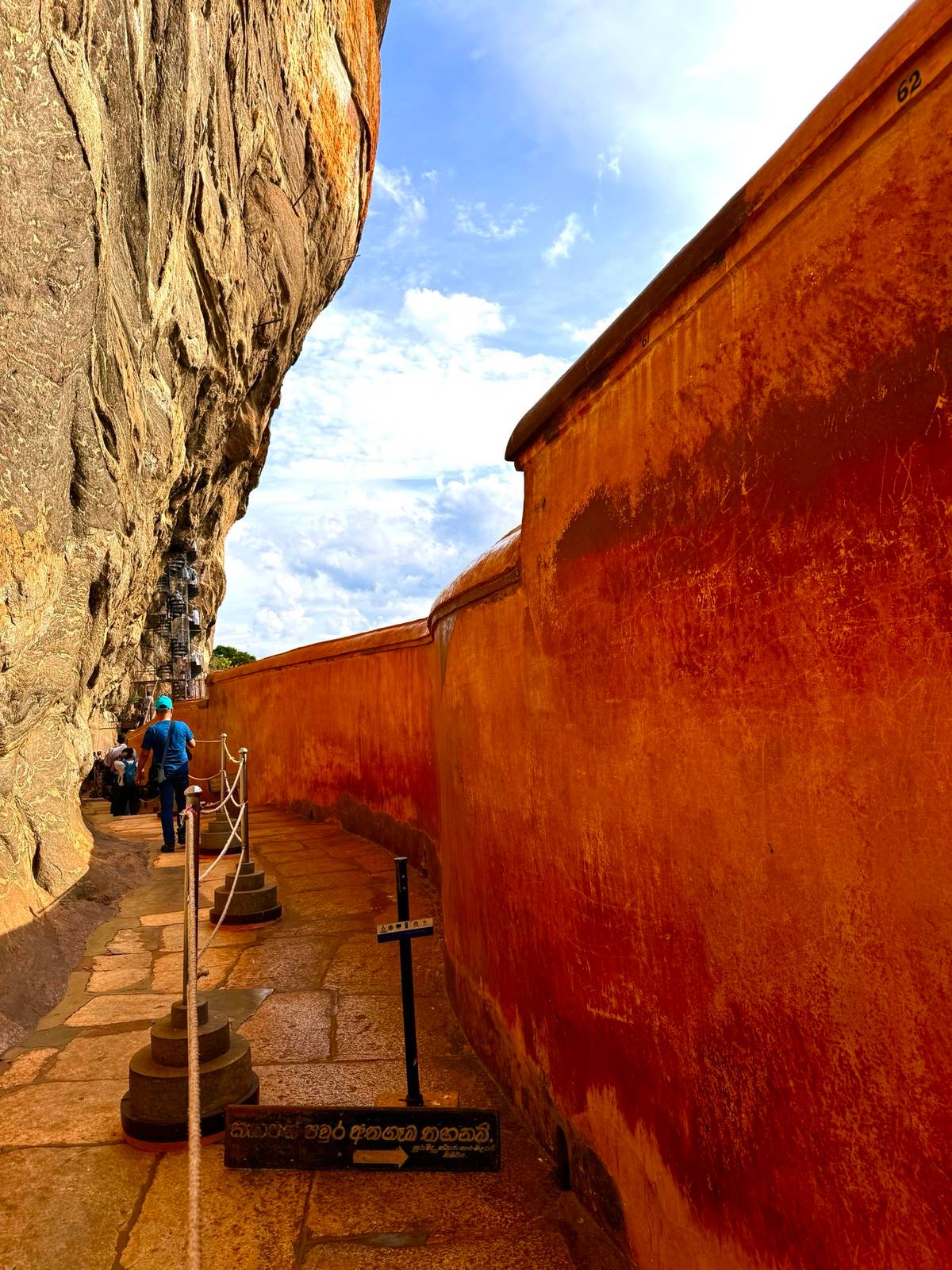
Landing on the final leg of the climb, through a gate that originally resembled a lion’s trap, we gingerly embarked on the steep and narrow spine of stairs, with momentary pauses and silence to spare gasping for air and the view.
“It’s best to hike while the sun is dawning, when the climb is more forgiving and the rock is shrouded by mist,” a local advised.
“It adds to the mystery of something you do not anticipate.”