 Daily Tribune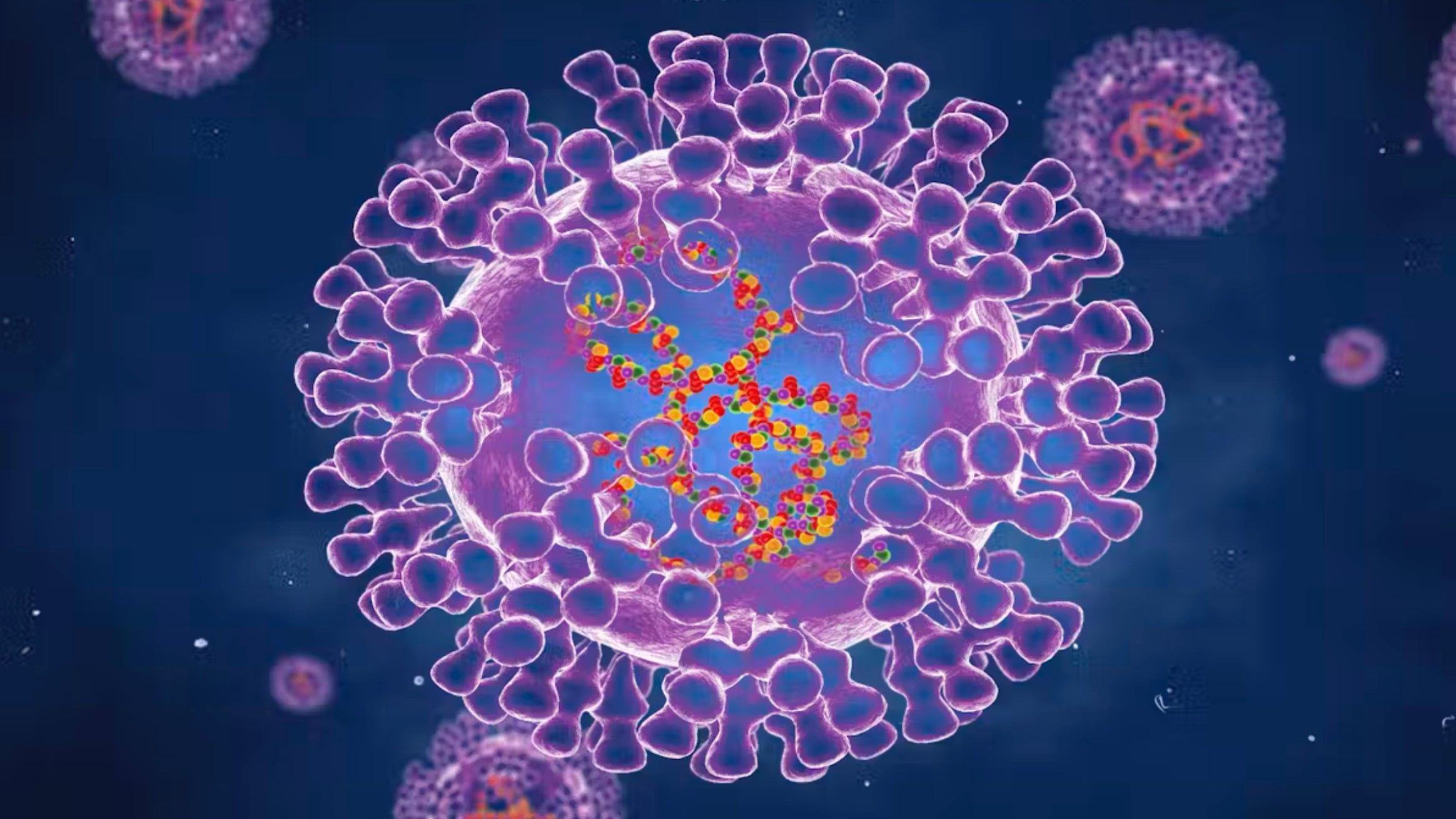
Pox viruses are oval-shaped and have double-strand DNA. There are many types of pox virus, including chickenpox, mpox, and smallpox, which was eradicated in the 1970s.
Getty Images
The first Mpox case recorded in the Philippines this year has a "less contagious strain," the Department of Health (DOH) reported Wednesday.
In a message to reporters, DOH Secretary Ted Herbosa reconfirmed his earlier statement that the 10th Mpox case in the country is Clade II, following direct reports he received from the Research Institute for Tropical Medicine.
"We were lucky because this Mpox we found (in the Philippines) was the original variety, the Clade II," Herbosa said.
"Let us continue to be alert but not alarmed, preventing Mpox spread by avoiding close and intimate physical contact," he added.
The Health secretary also urged the public to clean hands with soap and water or use alcohol-based sanitizers and to avoid skin-to-skin contact.
Testing for mpox takes four to five days, according to Herbosa.
Mpox is caused by the Monkeypox virus species of the Orthopoxvirus genus, first discovered among laboratory primates in Denmark in 1958 and later observed in humans in 1970.
The disease was renamed, the virus was not. There are two major groups of monkeypox virus, called "clades."
Clade I, mainly observed in the Congo basin, has a mortality rate ranging from one percent to 10 percent, the DOH explained. It added that Clade I is more likely to cause severe illness and death, especially in the immunocompromised.
Clade I has two subclades: Ia, and Ib. Clade Ia is endemic in the Democratic Republic of Congo (DRC), with a case fatality rate of 3.6 percent. Meanwhile, Clade Ib is a new strain of monkeypox virus responsible for the current outbreak in the DRC and nearby countries.
According to the World Health Organization, "there is, as yet, insufficient information available to fully characterize mpox severity due to Clade Ib as data are emerging and, so far, few deaths were recorded, precluding age-stratified analyses."
Monkeypox virus Clade II, on the other hand, has been observed mainly in West Africa and is milder than Clade I, with a reported mortality rate from less than one percent to four percent.
Clade II caused the 2022 Mpox global outbreak. Recent cases of Mpox detected in the Philippines are caused by Monkeypox virus Clade II, with zero fatalities.
On Wednesday, the local government of Quezon City said the person who recently tested positive for the viral illness availed of a "special service" in a spa in the city.
The city government ordered the closure of Infinity Massage Spa along E. Rodriguez Avenue after QC Health Department personnel found out the wellness center failed to renew their business permit.
The city’s Business Permit and Licensing Department ordered the temporary closure of AED Infinity Wellness Spa Inc. on 20 Aug., until further notice.


