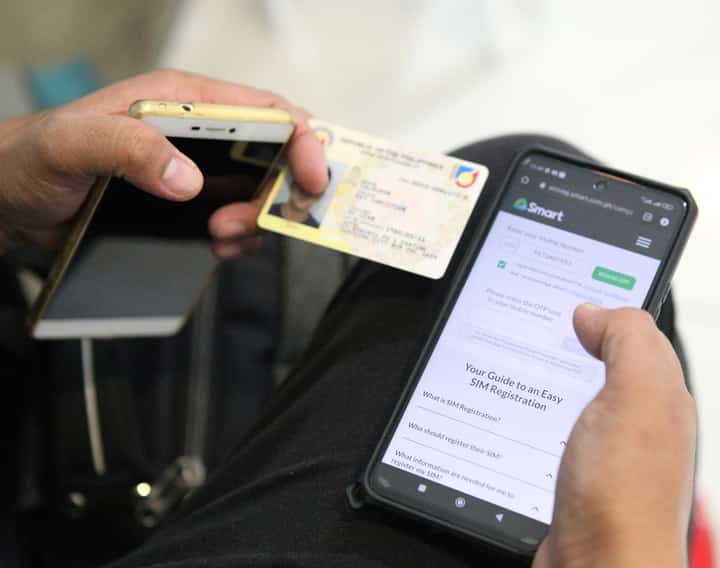
A lawmaker on Sunday called for the stricter implementation of the SIM Card Registration Act and its overhaul following the discovery of about 50,000 pre-registered SIM cards suspected of being used in scam operations.
The law was enacted in October 2022 to combat cybercriminal activities by regulating the sale and use of SIM (subscriber identity module) cards through mandatory registration.
The proliferation of text spam and phishing were the major factors that prompted its enactment. However, the law, based on complaints aired by many Filipinos on social media, has failed to live up to its promise.
Under the Implementing Rules and Regulations of the SIM Card Law, postpaid subscribers were considered already registered with telco companies, and they only have to confirm the existing details they already have with the telcos.
According to Surigao del Norte Rep. Ace Barbers, it’s time Congress “adds more teeth” to the law to put a stop to text scams being purportedly committed by illegal POGO hubs and other scammers.
He cited such POGO hubs as those operating in Bamban, Tarlac and Porac, Pampanga, which were recently raided over their involvement in illicit activities.
“The law was intended to curb cybercriminal activities and address issues related to trolling, hate speech, and online disinformation. But what we are seeing and witnessing today is that online scamming activities continue and remain unabated,” stressed Barbers, chairperson of the House Committee on Dangerous Drugs.
Banned POGOs
Barbers said POGOs, which were ordered banned by President Ferdinand Marcos Jr. during his third State of the Nation Address, have shown no qualms in using fraudulently issued SIM cards in their illegal activities.
Marcos ordered the banning of POGOs over their links to crimes like murder, kidnapping, torture, rape and prostitution.
“What the organized scamming syndicates do is to buy in bulk prepaid SIM cards because they can always provide fake or fraudulent details of their phone users. And telcos have no capability or system to monitor and catch these scammers who are using a subscriber’s altered postpaid SIM IDs,” he pointed out.
Barbers lamented that despite the passage of the SIM Registration law, Republic Act 11934, which mandates the registration of SIM cards, crime groups and local and foreign syndicates have still managed to use SIM cards in their illegal activities.
Under the law, prepaid subscribers must undergo registration through the online portals of telcos, with the subscriber providing photos and other details to the telco.
Progressive groups and several lawmakers have been calling to amend — if not repeal — the law, citing its failure to curb text scams.
Other scamming schemes include ATM skimming, identity theft, online shopping, lottery scams, crowdfunding scams, romance scams, advance fee fraud, fake websites, SIM swap scams, blackmail scams, and credit card scams, according to Barbers.
“The scamming techniques involve various psychological manipulations aimed at persuading the client-victims to make a hasty, irrational and unsafe decisions to part with their personal identities, property or money to the suspects,” he said.