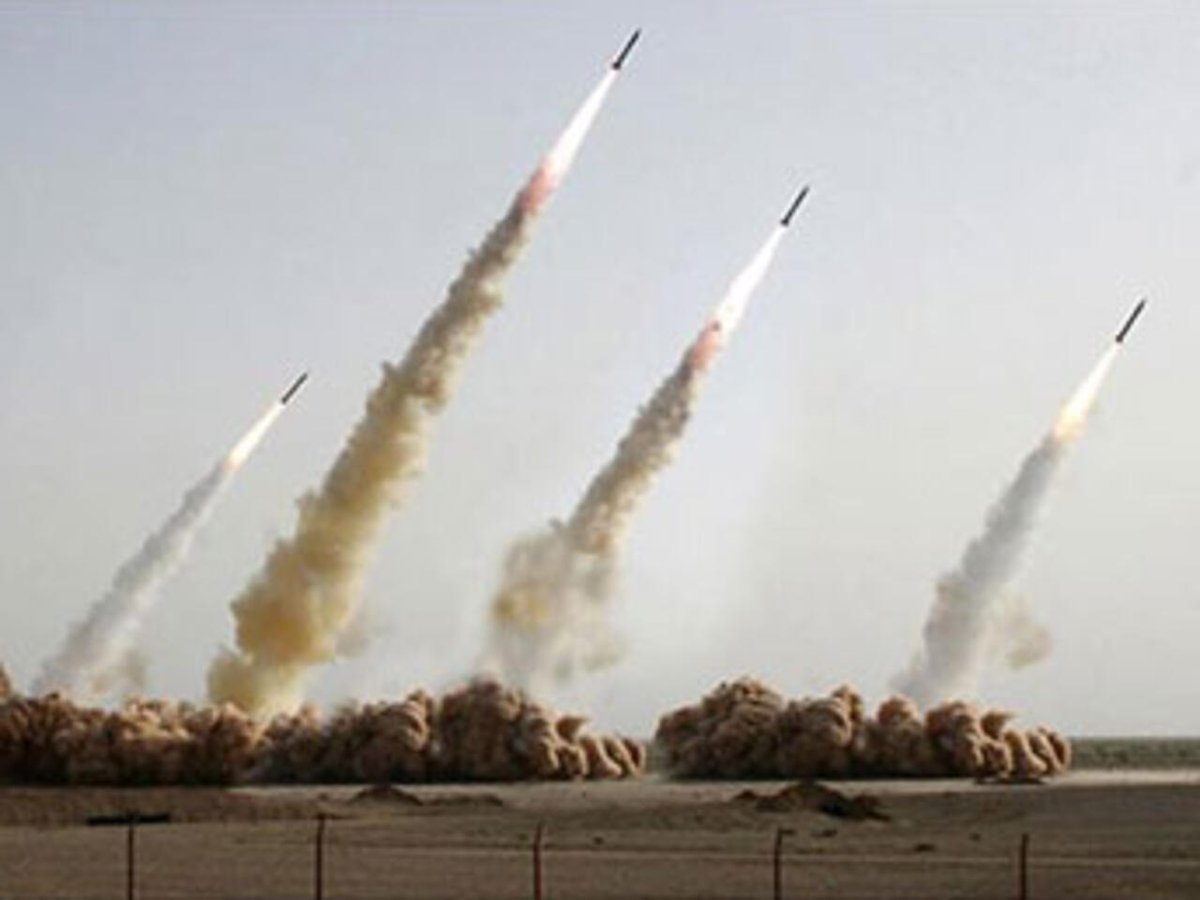
The Israelis are teetering on the brink of a nuclear strike as they continue to battle militant organizations from Lebanon and Palestine.
Mijal Gur-Aryeh, Israeli ambassador to Palestine, told DAILY TRIBUNE they are not discounting the possibility of getting involved in a nuclear war with Iran, which supports the Islamic extremists who are sowing fear and terror in her country.
A Cold War is going on between the Israelis and the Iranians.
The simmering tension blew out into the open when Israel struck Iran’s embassy compound in Syria last April, leading to the death of seven members of the Islamic Revolutionary Guard Corps (IRGC), including two generals who had led the elite Quds Force in Syria and Lebanon.
Iran retaliated by launching 300 missiles and drones at Israel, almost all of which were intercepted.
Reports have it the Iranians have jacked up their stockpile of uranium enriched to near weapons-grade levels while the Israelis are busy battling Hezbollah in the north and Hamas in the south of their country.
As of 11 May, Iran reportedly had 142.1 kilograms (313.2 pounds) of uranium enriched up to 60 percent, which is an increase of 20.6 kilograms (45.4 pounds) since the last report by the United Nations watchdog in February.
Uranium enriched to 60 percent purity is just a short, technical step away from the weapons-grade level of 90 percent, making Iran a nuclear state capable of wiping out its enemies from the face of the earth.
Gur-Aryeh said the war with Hezbollah and Hamas could just be a diversionary tactic to Iran’s real mission: To annihilate all of Israel with a nuclear bomb.
“That is a real possibility,” said Gur-Aryeh, who has vast diplomatic experience having served as Israel’s spokesperson in New Delhi, vice consul general in Istanbul, deputy ambassador to Belgium and Luxembourg, and counselor for Political Affairs in Rome.
“It’s possible that in this case, it wants to create a distraction so it is instructing Hezbollah to attack Israel with thousands of missiles every day and Hamas to continue attacking Israel. So, while the world is very busy with these crises, it may be trying to create a bomb that will annihilate all of Israel.”
She, however, said the Israelis will be ready. “I believe in our defense system,” she stressed.
“We are working very hard to protect the state and our people from the threat of a nuclear attack from our enemies.”
Key to ending war
But a nuclear strike is not the key to ending the war in the Middle East.
Gur-Aryeh said that for the war to end, there must be a deradicalization among Muslim extremists, especially those from Palestine who waged a deadly attack on southern Israel on 7 October last year.
“I think there is one key element that will serve as the solution to this ongoing war — and that is deradicalization,” Gur-Ayeh said during DAILY TRIBUNE’s recent visit to Tel Aviv.
“We have a population in Gaza that has been under the rule of Islamic radical organizations since 2007. So for 17 years, all this time, they were being taught in school about hatred and violence to the extent that they were completely brainwashed.”
The Israelis accuse the Hamas militants of corrupting the hearts and minds of the young Palestines, teaching them to launch violent and deadly attacks against them
Gur-Aryeh said most of the Palestine teachers and social workers in the Gaza Strip are Hamas operatives who are using the resources of the United Nations Relief and Works Agency for Palestine Refugees (UNRWA) to sow hatred and violence among their students.
During the deadly 7 October attack, Israeli forces recovered a note from the pocket of a dead Hamas terrorist that said: “You must sharpen the blades of your swords and be pure in your intentions before Allah. Know that the enemy is a disease that has no cure, except beheading and uprooting their hearts and livers. Attack them!”
Knowing that young Palestinians were being brainwashed in the schools, Israel launched an attack on UNRWA’s Al-Jaouni in al-Nuseirat camp in central Gaza that killed at least 16 people and injured 50 others.
But Gur-Aryeh pointed out that fighting violence with violence would only widen the rift between the two neighboring countries.
“If ever we want peace in this area, we need a very deep program of deradicalization,” she said.
“Currently, there are discussions with other countries on how we can start our deradicalization program. The US and other European countries have a very good deradicalization program and we can start adopting it.”
“This is really the key. The first step. What will happen afterward, there are many options, but basically we now have to build this society very differently and make the Palestinian youth understand that they have to coexist with the other people in the region.”