SUBSCRIBE NOW SUPPORT US

PBBM’s priority programs focus on improving Filipinos’ lives

Greetings on your 24th-anniversary celebration, Daily Tribune! We celebrate the 124 High Impact Infrastructure Flagship Projects (IFPs) under the leadership of President Ferdinand Marcos Jr., aimed at enhancing physical connectivity across the Philippines, with an investment totaling P7.053 trillion. Your theme, “Technology Powered by People: Embracing Disruptions,” boosts the Commission on Audit’s digital transformation to support the President’s drive for a prosperous Bagong Pilipinas. — Art Besana, THE AUDITOR.
1.	COOPERATION to boost the agricultural sector is just one of the main steps towards building a New Philippines, according to President Marcos Jr. ‘Here, no one goes hungry and everyone works robustly for a more prosperous future.’
1. COOPERATION to boost the agricultural sector is just one of the main steps towards building a New Philippines, according to President Marcos Jr. ‘Here, no one goes hungry and everyone works robustly for a more prosperous future.’
Published on

President Ferdinand Marcos Jr. has articulated on his priority programs aimed at propelling the Philippines towards sustainable development and improved quality of life for its citizens. These programs, encompassing food security, infrastructure development, energy, education, health, digital transformation, climate change and disaster resilience, fiscal discipline, and good governance, are deeply relevant to the everyday lives of Filipinos.

FOOD SECURITY is paramount in a nation where a significant portion of the population depends on agriculture for their livelihood. Marcos Jr.’s focus on ensuring the availability, accessibility, and affordability of food aims to alleviate hunger and malnutrition, which are critical issues in the Philippines. By supporting local farmers, improving agricultural practices, and enhancing supply chains, this program seeks to create a self-sufficient and resilient food system, directly impacting the well-being of millions of Filipinos.

INFRASTRUCTURE DEVELOPMENT, through private-public partnership, is another cornerstone of Marcos Jr.’s agenda. The Philippines has long grappled with inadequate infrastructure, which hampers economic growth and connectivity. By prioritizing the expansion and upgrading of roads, bridges, ports, and airports, the administration aims to facilitate better transportation, stimulate commerce, and attract investments. This development is expected to create jobs, reduce travel time, and improve the overall quality of life, particularly in rural and underdeveloped areas.

THE ENERGY SECTOR is crucial for ensuring a stable and sustainable supply of power. The focus on enhancing energy security and promoting renewable energy sources addresses the dual challenges of frequent power outages and the high cost of electricity. By investing in renewable energy projects and improving the efficiency of existing power plants, the government aims to reduce dependence on imported fuels, lower energy costs, and mitigate environmental impact. This initiative is vital for both economic growth and environmental sustainability.

EDUCATION is a fundamental pillar for the development of any nation. Improving the quality of education and making it more accessible is essential for equipping Filipinos with the skills and knowledge necessary for the modern workforce. Marcos Jr.’s emphasis on education reform aims to address issues such as inadequate facilities, outdated curricula, and teacher training. By doing so, the program seeks to foster a more competitive and skilled labor force, which is indispensable for national progress.

THE HEALTH SECTOR has been under intense scrutiny, especially in the wake of the COVID-19 pandemic. Strengthening the healthcare system to provide better medical services and address public health issues is critical. Marcos Jr.’s health program focuses on improving healthcare infrastructure, ensuring the availability of essential medicines, and enhancing the capabilities of healthcare professionals. This initiative aims to build a more robust health system capable of responding to current and future health challenges.

DIGITAL TRANSFORMATION is essential in the era of rapid technological advancement. Promoting digitalization and innovation across various sectors can boost efficiency, competitiveness, and accessibility to services. By investing in digital infrastructure, fostering technological innovation, and promoting digital literacy, the government aims to create a more inclusive and forward-looking society.

This transformation is particularly relevant for enhancing e-governance, education, and business processes.

Addressing Climate Change and Disaster Resilience is crucial for a country frequently affected by natural disasters. Enhancing measures to combat climate change and improve disaster preparedness and resilience is a priority. Marcos Jr.’s program focuses on implementing sustainable practices, improving infrastructure to withstand natural calamities, and promoting community-based disaster risk management. This initiative is vital for protecting lives, livelihoods, and the environment.

Tourism plays a significant role in the Philippine economy. Revitalizing the tourism industry to attract more visitors and boost the economy is essential, especially in the post-pandemic era. By improving tourism infrastructure, promoting local destinations, and ensuring safety and security for tourists, the government aims to generate employment, stimulate local economies, and showcase the country’s rich cultural heritage.

Lastly, GOOD GOVERNANCE is fundamental for the effective implementation of all these programs. Promoting transparency, accountability, and efficient governance is essential for improving public trust and service delivery. Marcos Jr.’s focus on good governance aims to eradicate corruption, streamline bureaucratic processes, and enhance public sector performance.

In all, the priority programs of President Ferdinand Marcos Jr. are comprehensive and interconnected, addressing key areas critical to the nation’s development. By focusing on these priorities, the administration aims to create a more prosperous, resilient, and equitable society, thereby significantly improving the lives of Filipinos.

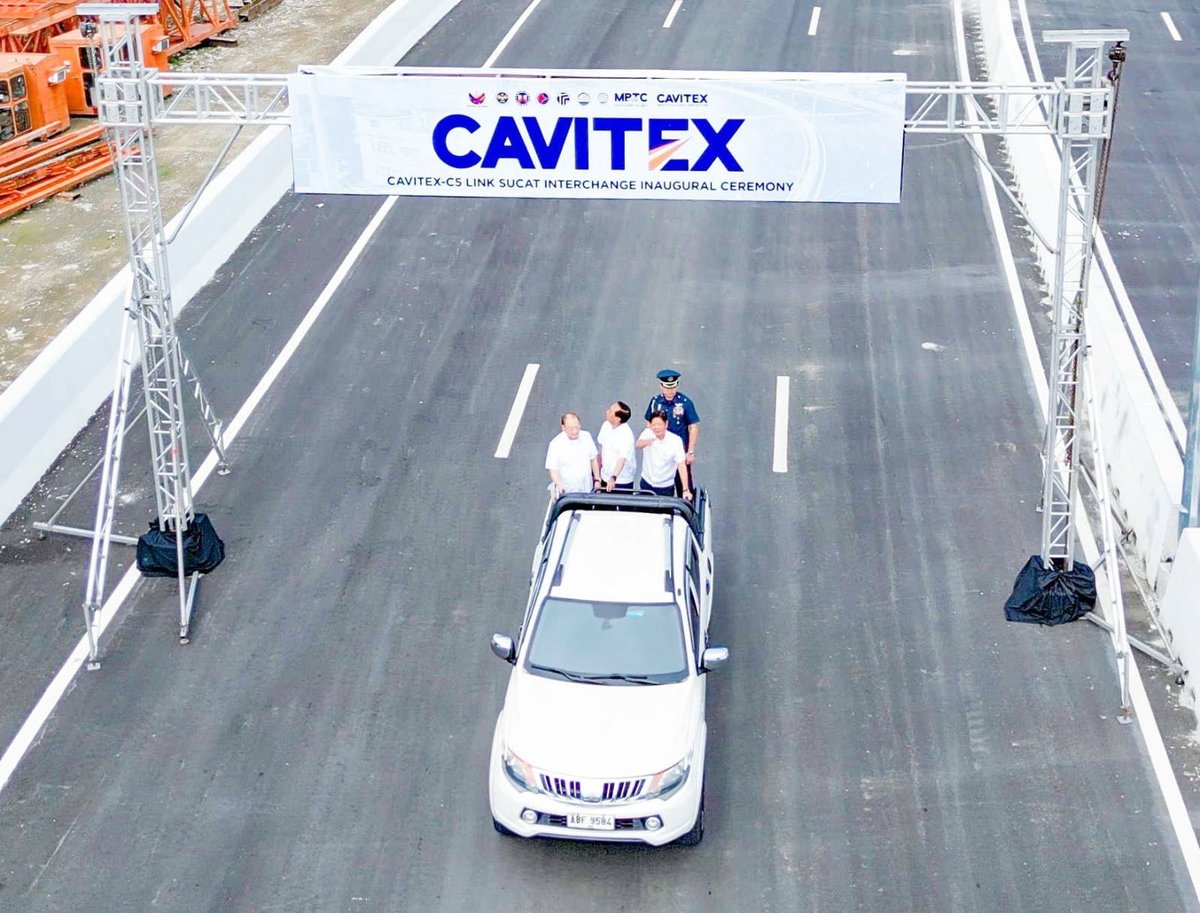
2.	SINCE taking office, Marcos has underscored the importance of infrastructure development as a pillar of his administration’s economic strategy. Central to this agenda is taking advantage of Public-Private Partnerships (PPPs) to drive progress.
2. SINCE taking office, Marcos has underscored the importance of infrastructure development as a pillar of his administration’s economic strategy. Central to this agenda is taking advantage of Public-Private Partnerships (PPPs) to drive progress.
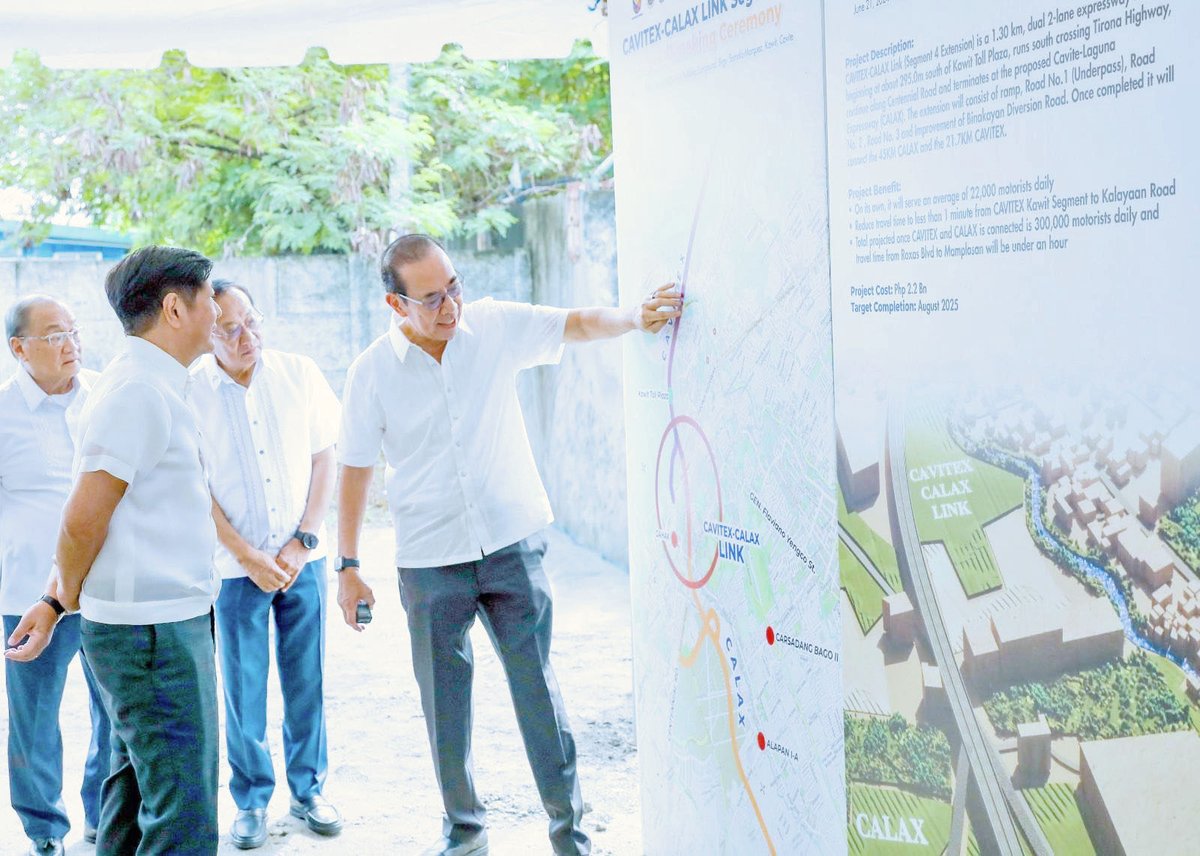
PRESIDENT Marcos Jr. leads the groundbreaking of the CALAX-CAVITEX Link and the CAVITEX C5 Link Segment 3B and the inauguration of the CAVITEX C5 Link Sucat Interchange in Parañaque City.
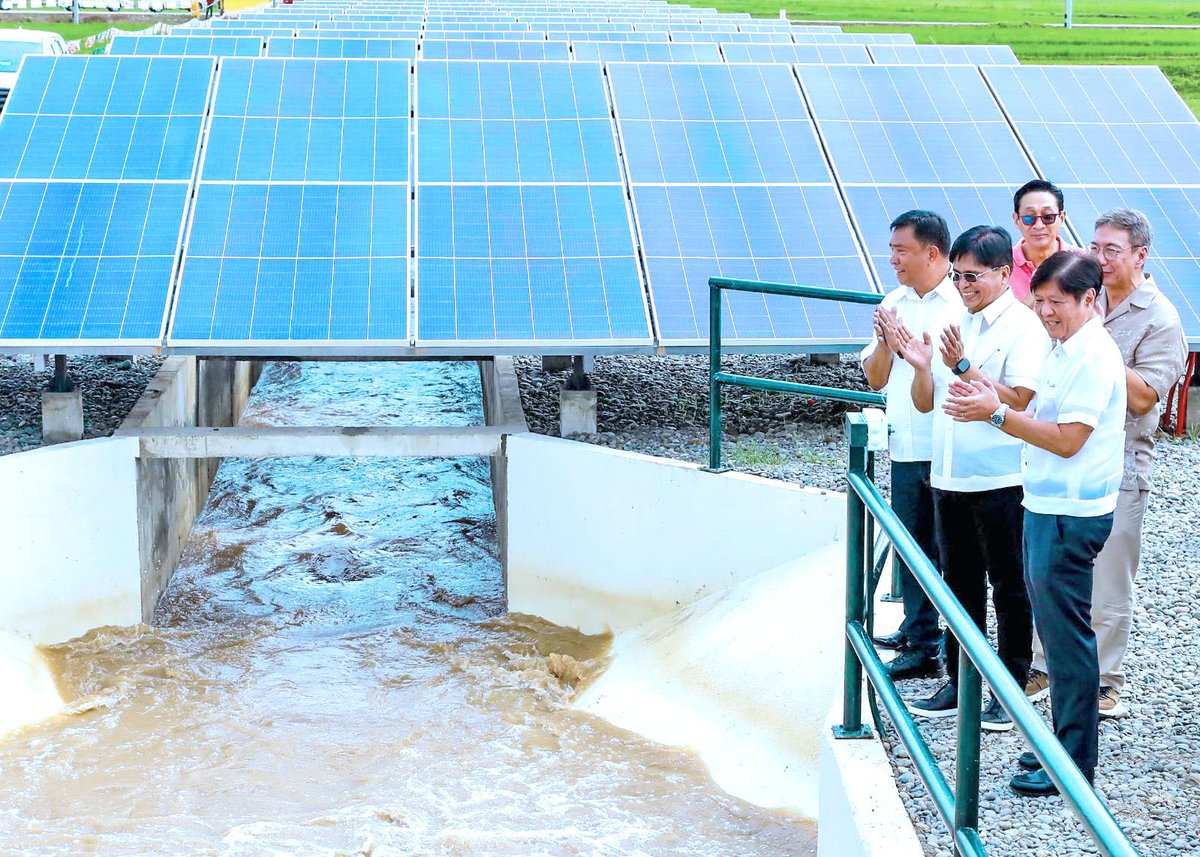
4.	THE Marcos administration is prioritizing renewable energy in the Philippines, aiming for a 35-percent share in the power mix by 2030, and 50 percent by 2040.  He stated in his second State of the Nation Address, ‘Renewable energy is the way forward,’ highlighting the awarding of new contracts with a potential capacity of 31,000 megawatts since 2022.
4. THE Marcos administration is prioritizing renewable energy in the Philippines, aiming for a 35-percent share in the power mix by 2030, and 50 percent by 2040. He stated in his second State of the Nation Address, ‘Renewable energy is the way forward,’ highlighting the awarding of new contracts with a potential capacity of 31,000 megawatts since 2022.
5.	EMPHASIS on education reforms aims to address issues such as inadequate facilities, outdated curricula and teacher training.
5. EMPHASIS on education reforms aims to address issues such as inadequate facilities, outdated curricula and teacher training.
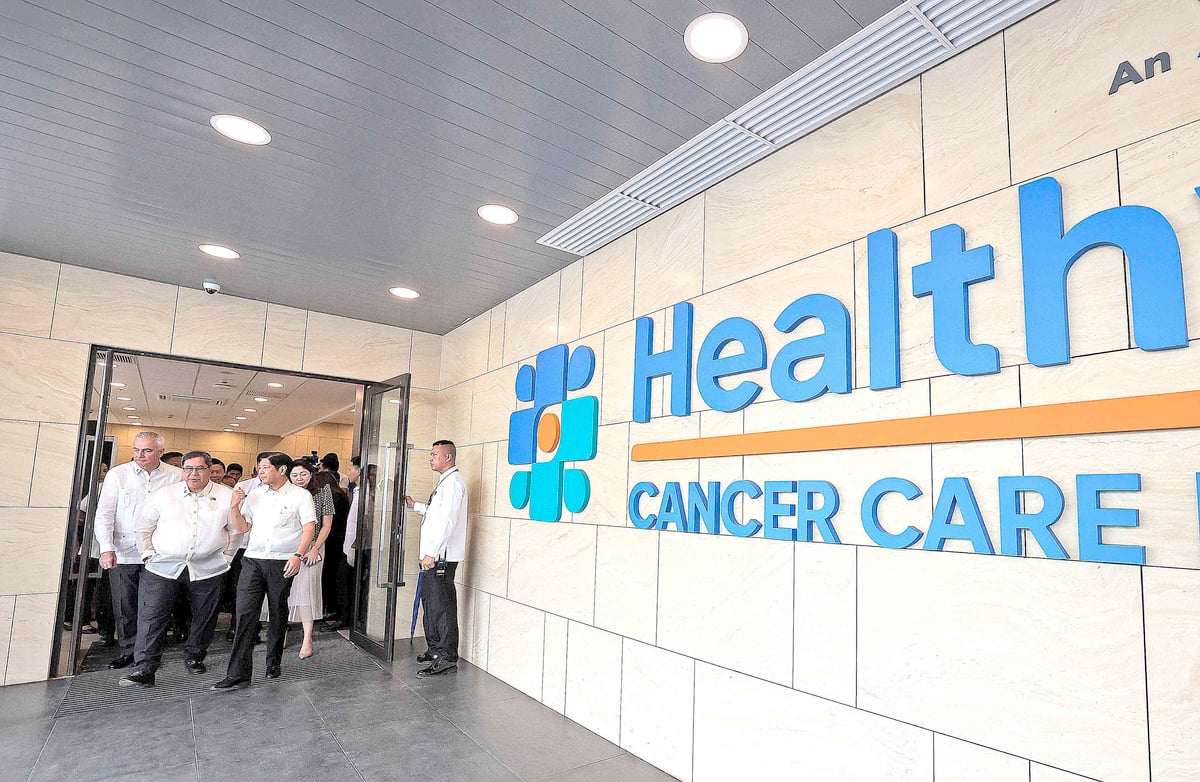
6.	STRENGTHENING the healthcare system to provide better medical services and address public health issues is critical. The President’s health care program focuses on improving health care infrastructure, ensuring the availability of essential medicines  and enhancing the capabilities of health care professionals.
6. STRENGTHENING the healthcare system to provide better medical services and address public health issues is critical. The President’s health care program focuses on improving health care infrastructure, ensuring the availability of essential medicines and enhancing the capabilities of health care professionals.
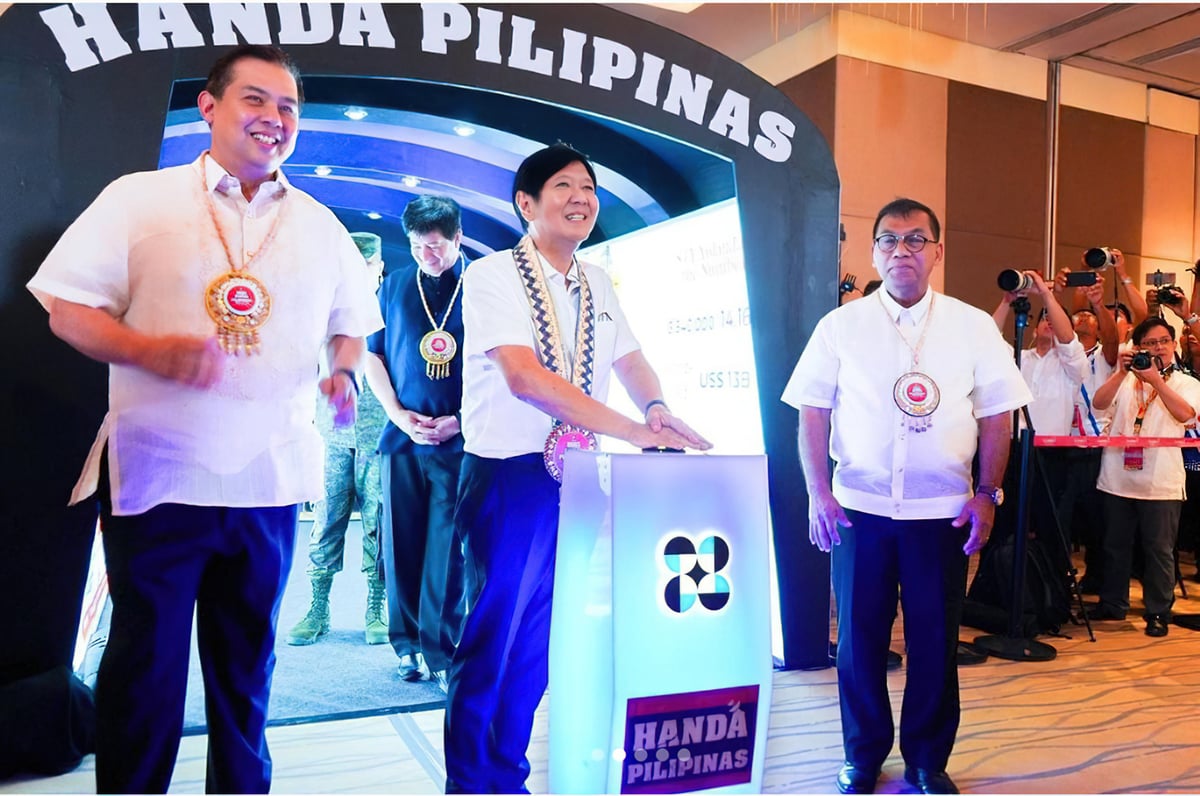
7.  PRESIDENT Marcos opens the Visayas leg of the Handa Pilipinas in Tacloban City late last year.
7. PRESIDENT Marcos opens the Visayas leg of the Handa Pilipinas in Tacloban City late last year.
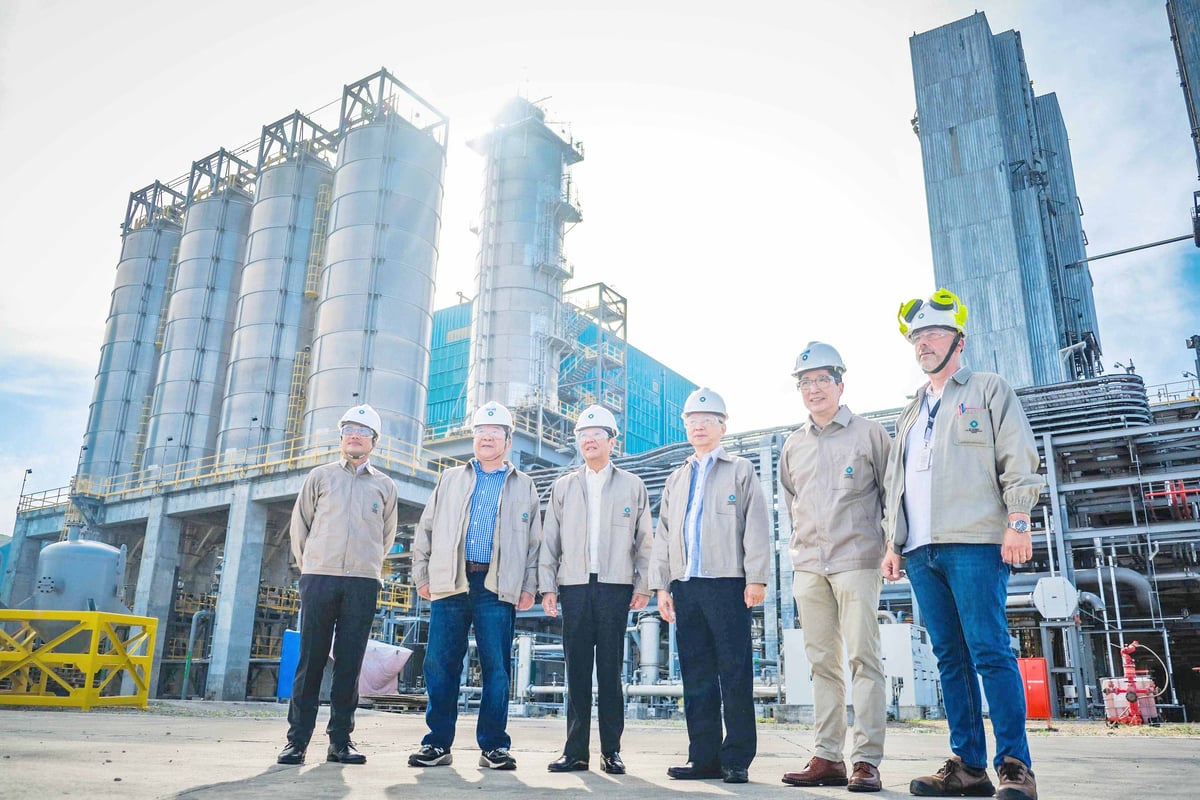
8.	(FROM left) JG Summit Olefins CEO Arnel Santos, JG Summit Holdings chairman James Go, President Ferdinand Romualdez Marcos Jr., Trade Secretary Alfredo Pascual, JG Summit Holdings President and CEO Lance Gokongwei and SVP Didier Marc Laurent Chapon lead the tour of the expanded petrochemicals manufacturing complex of the JG Summit OLEFINS Corporation 19 January in Batangas City.
8. (FROM left) JG Summit Olefins CEO Arnel Santos, JG Summit Holdings chairman James Go, President Ferdinand Romualdez Marcos Jr., Trade Secretary Alfredo Pascual, JG Summit Holdings President and CEO Lance Gokongwei and SVP Didier Marc Laurent Chapon lead the tour of the expanded petrochemicals manufacturing complex of the JG Summit OLEFINS Corporation 19 January in Batangas City.
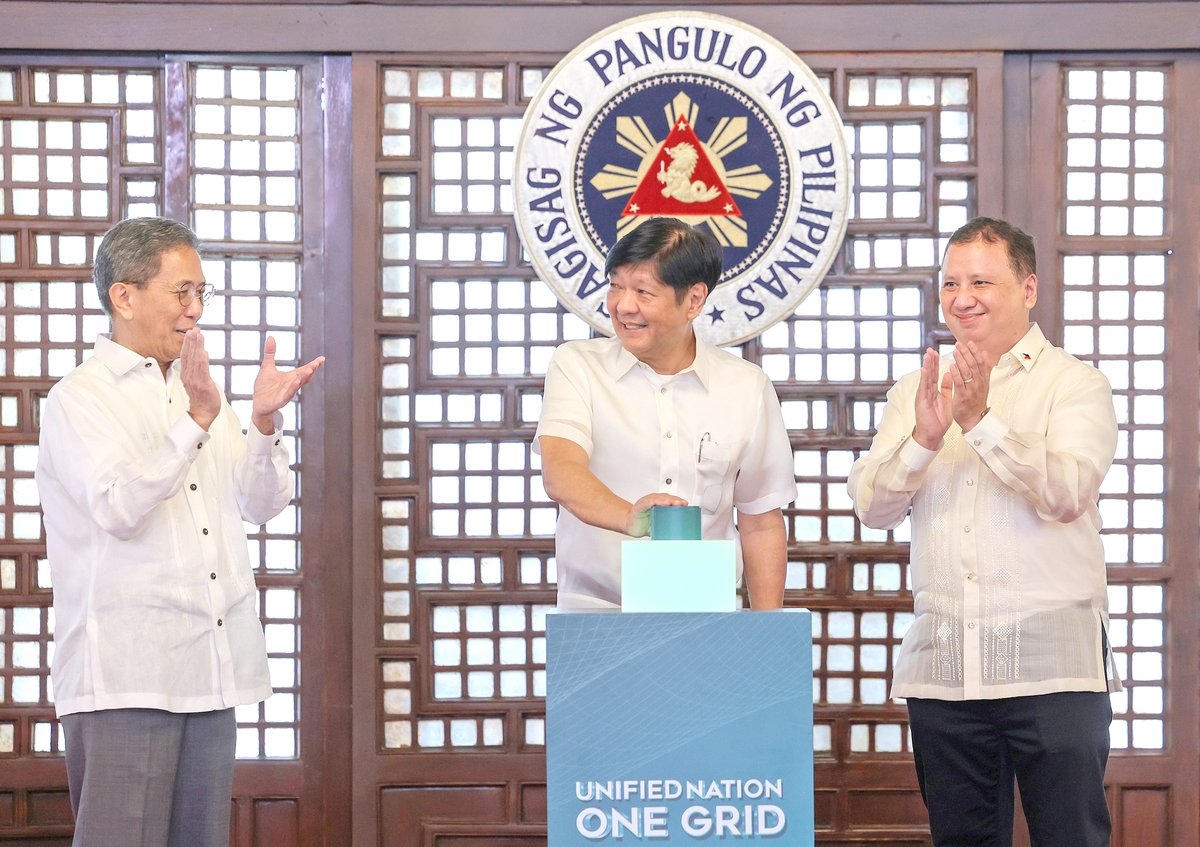
9.	The President on the ceremonial switching on of the P51.3 billion Mindanao-Visayas Interconnection Project at the Malacañang Palace on 26 January 2024.
9. The President on the ceremonial switching on of the P51.3 billion Mindanao-Visayas Interconnection Project at the Malacañang Palace on 26 January 2024.
10. President Marcos gazes at where projects under the Pasig River Urban Development Showcase Area would be constructed during its launch at Plaza Mexico, Magallanes Drive in Intramuros, Manila on 23 June 2024. Phase 1C will introduce a one-story structure with a roof deck along the river, as well as a three-meter-wide walkway.

Latest Stories

No stories found.
logo
Daily Tribune
tribune.net.ph