




Honoring Pinoy seafarers


Text size
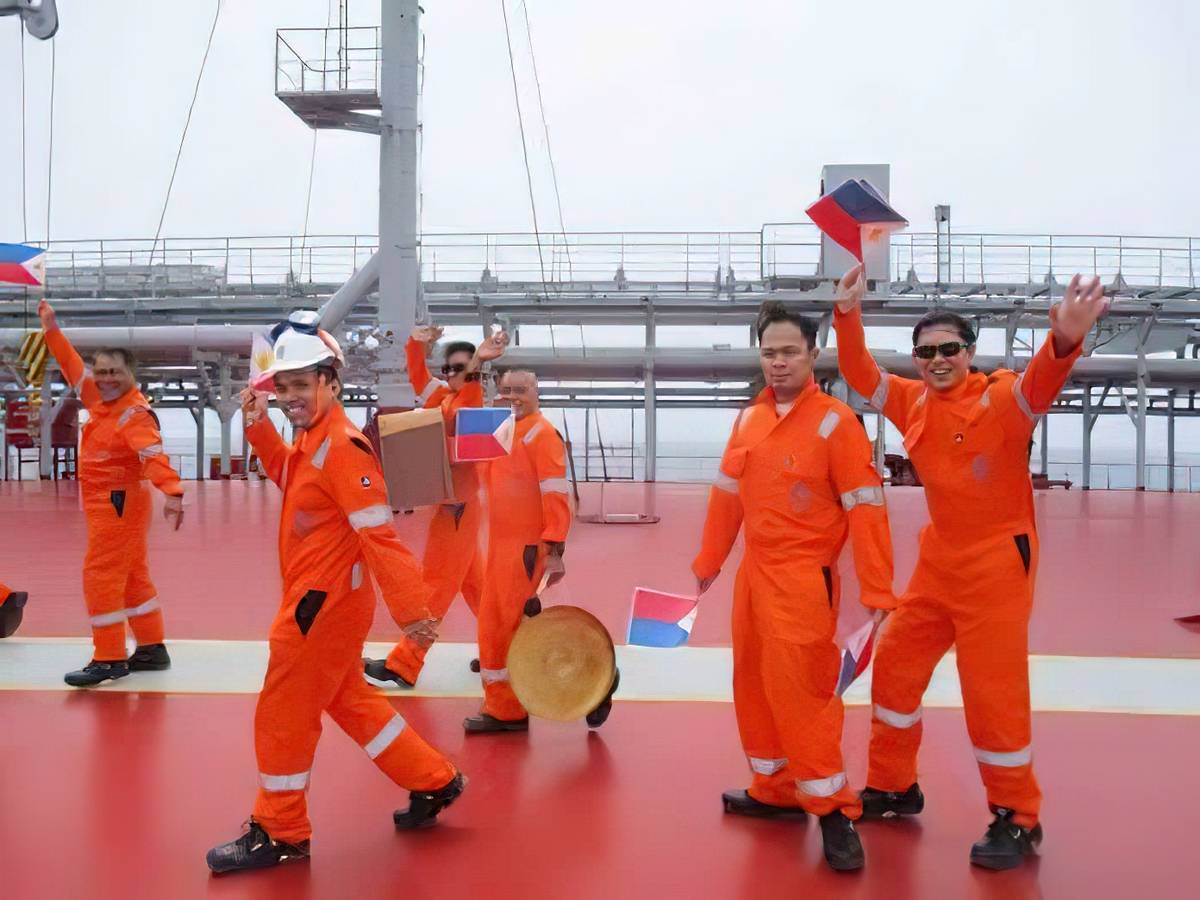
Filipino seafarers mark Independence Day in this undated photo on board Solvang Philippine Inc. and Solvang ASA vessels Clipper Posh and Clipper Freeport.
PHOTOGRAPH COURTESY OF TSM Group

Filipino seafarers who were rescued from a missile attack by Houthi rebels in Gulf of Aden arrive.
PHOTOGRAPH BY Anthony Ching FOR THE DAILY TRIBUNE @tribunephl_ton
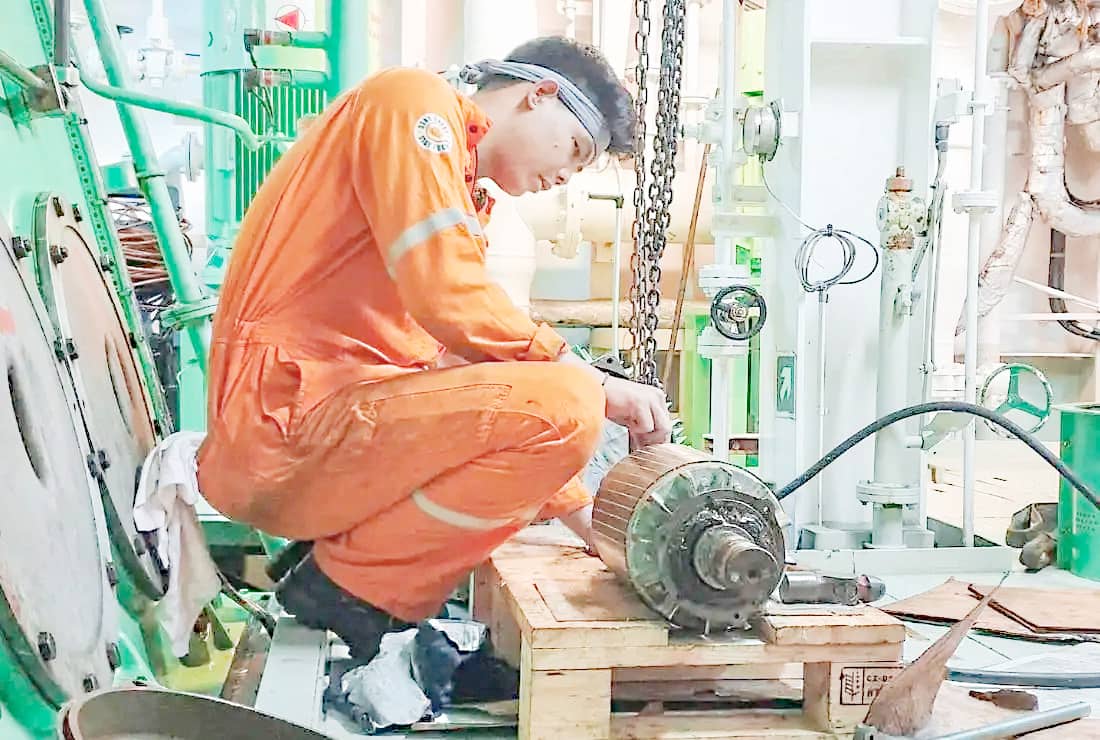
A Filipino seafarer is at work aboard a ship of the Middle East Shipping Line.
PHOTOGRAPH COURTESY OF Department of Labor and Employment
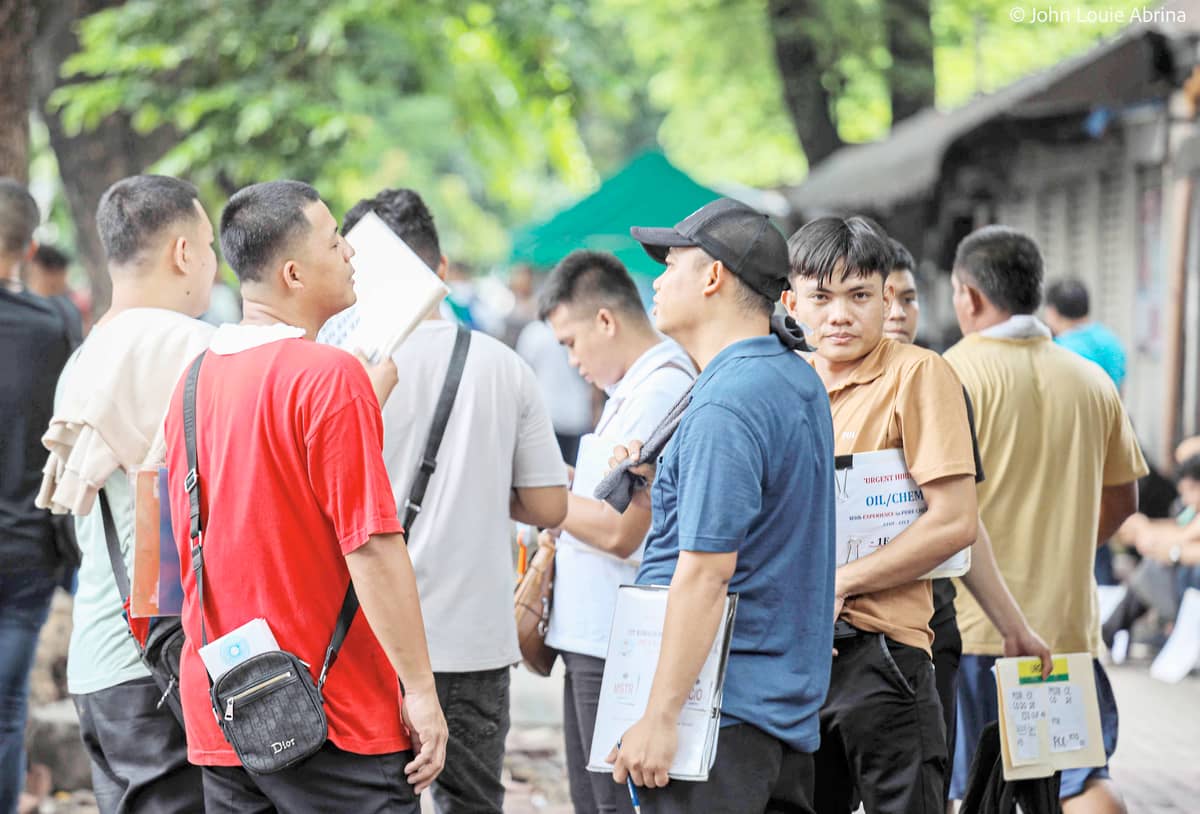
Seafarers seek jobs at shipping companies along T.M. Kalaw, Manila. The Department of Migrant Workers encourages companies to hire Filipino seafarers.
PHOTOGRAPH BY john louie abrina FOR THE DAILY TRIBUNE
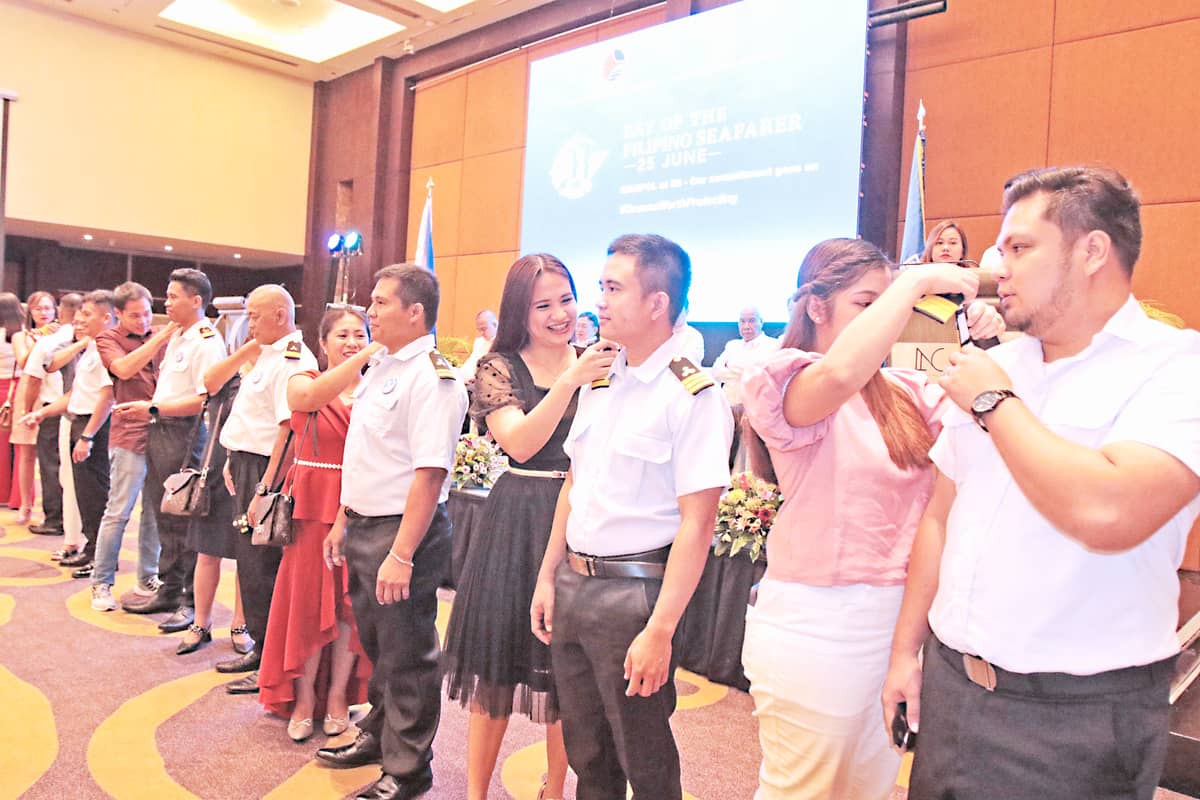
Parents and wives of seafarers who just recently passed the harbor pilot, marine deck and engineer officer conduct a donning of boards during a ceremony coinciding with the Day of the Filipino Seafarer 2023.
PHOTOGRAPH BY JOEY SANCHEZ MENDOZA FOR THE DAILY TRIBUNE @tribunephl_joey
Filipino Seafarers’ Day is a poignant occasion to honor the immense contributions of Filipino maritime workers who serve on ships across the globe. These seafarers are the unsung heroes of the seas, playing a vital role in the global economy and the Philippines’ national development. However, their work is fraught with significant risks, including the threat of pirate attacks in some of the world’s most dangerous waters.
The Philippines is one of the world’s leading suppliers of seafarers, with approximately 400,000 Filipino seamen deployed on international vessels. These men and women are integral to global maritime operations, ensuring the seamless transport of goods and resources across continents. They work in various capacities, from deckhands to captains, and their expertise is highly regarded in the industry.
Their role is critical. Without seafarers, international trade would come to a standstill. The global economy relies heavily on maritime transport, with around 90 percent of world trade being carried by sea. Filipino seafarers’ hard work and dedication ensure that supply chains remain intact, facilitating everything from the delivery of consumer goods to the transport of vital raw materials.
The contributions of Filipino seafarers to the national economy are substantial. Their remittances form a significant part of the country’s economic lifeblood. In 2021 alone, overseas Filipino workers remitted over $31 billion, with a considerable portion coming from seafarers. These funds support millions of Filipino families, contributing to household incomes, education, healthcare and overall quality of life.
Moreover, these remittances have a multiplier effect on the economy, spurring local business activities and investments. The government recognizes the importance of seafarers, providing support through programs aimed at enhancing their skills and ensuring their welfare.
Despite their crucial role, Filipino seafarers face numerous dangers, with piracy being a significant threat. Areas such as the Gulf of Aden, the Strait of Malacca, and parts of West Africa are notorious for pirate activities. These modern-day pirates pose serious risks, including hijackings, kidnappings for ransom and violent attacks. Such threats are not just perilous but also take a psychological toll on seafarers and their families.
The international community and maritime industry stakeholders have implemented measures to combat piracy, including naval patrols, best management practices, and security training for crews. However, the danger persists, underscoring the need for continuous vigilance and enhanced protective measures.
Filipino Seafarers’ Day, therefore, is not only a time to celebrate the invaluable contributions of these maritime workers but also to recognize the risks they endure. It is an opportunity to advocate for better protection and support for seafarers, ensuring their safety and well-being while they are away from home.
Some couples regard a public marriage proposal as romantic. A pair in China decided to do it during the concert of a…
Tulfo advised the prosecution panel to be more mindful of the lawyers it assigns to present witnesses to keep the…
The audit identified 366 PPE items below CoA’s P50,000 capitalization threshold, including 195 items assigned a nominal…
The attempt to sabotage a flydubai airlines flight may have been intended not only to endanger its 174 passengers but…
