




PPO’s 39th concert season, ‘Switch,’ takes a deep bow
Through all eight shows, we must acknowledge the efforts of Maestro Grzegorg Nowak, who made these all possible.


Text size
Through all eight shows, we must acknowledge the efforts of Maestro Grzegorg Nowak, who made these all possible.
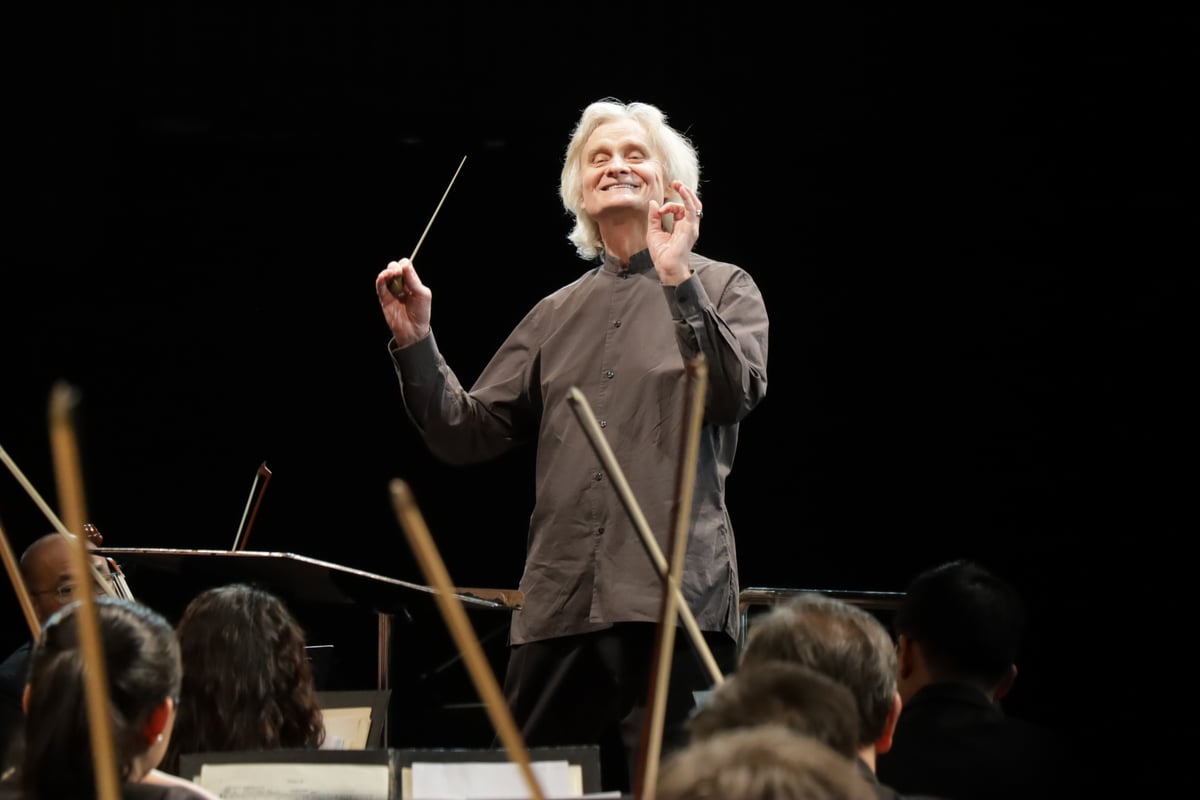
PPO music director Maestro Grzegorg Nowak.
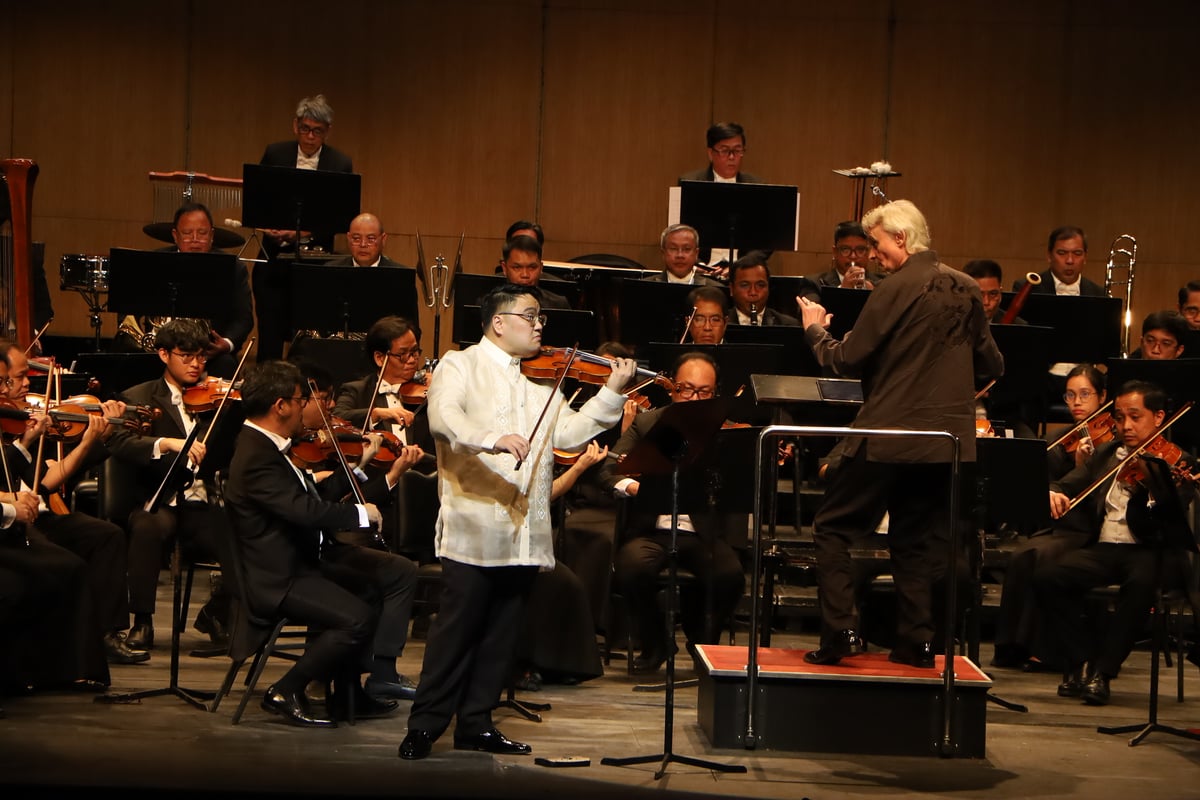
‘CONCERT VIII Fete Francaise’ highlights violinist Diomedes Saraza.
Photographs courtesy of the cultural center of the philippines
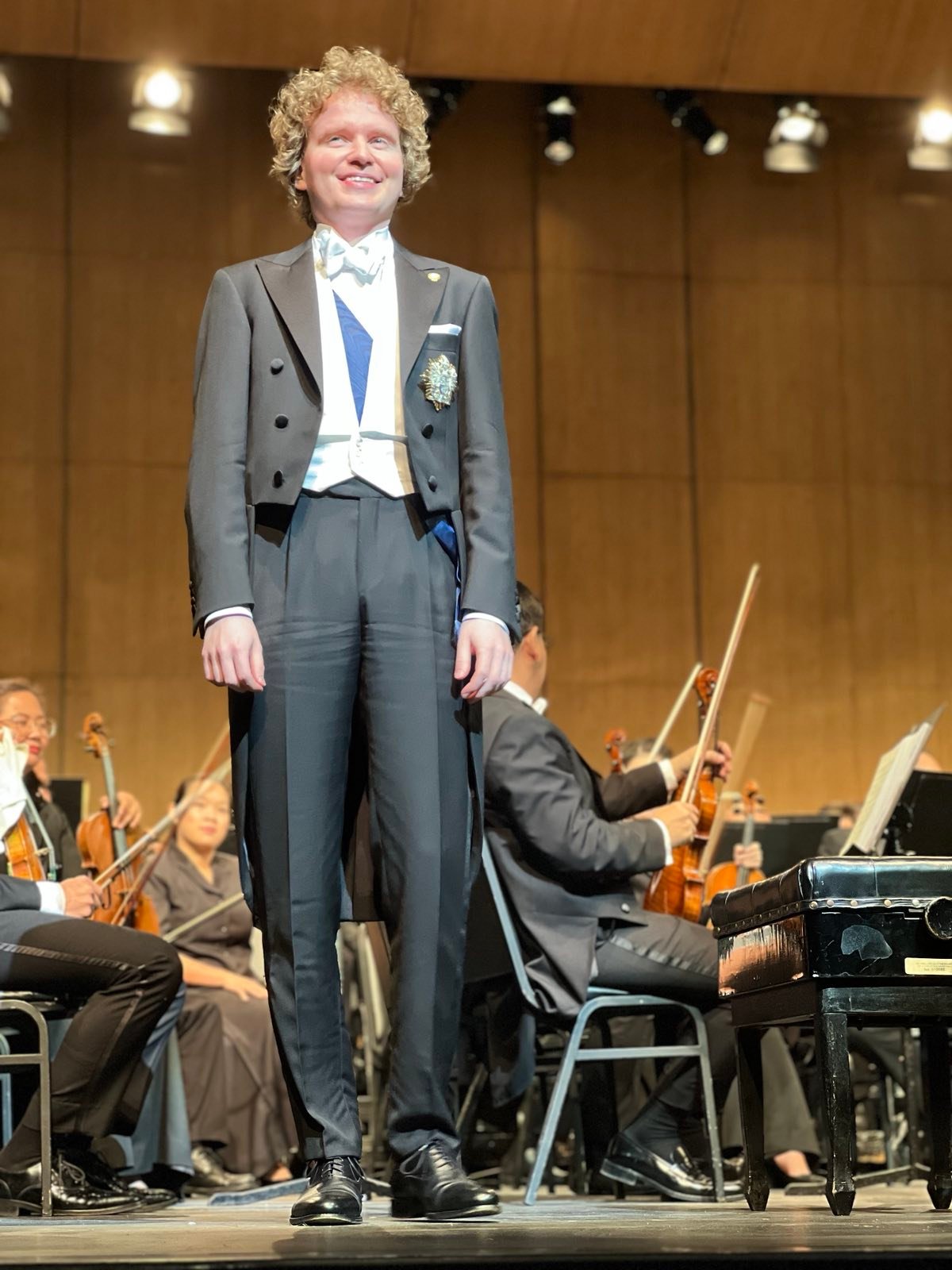
‘CONCERT III Russian Masters’ spotlights pianist Nikolay Khozyainov.
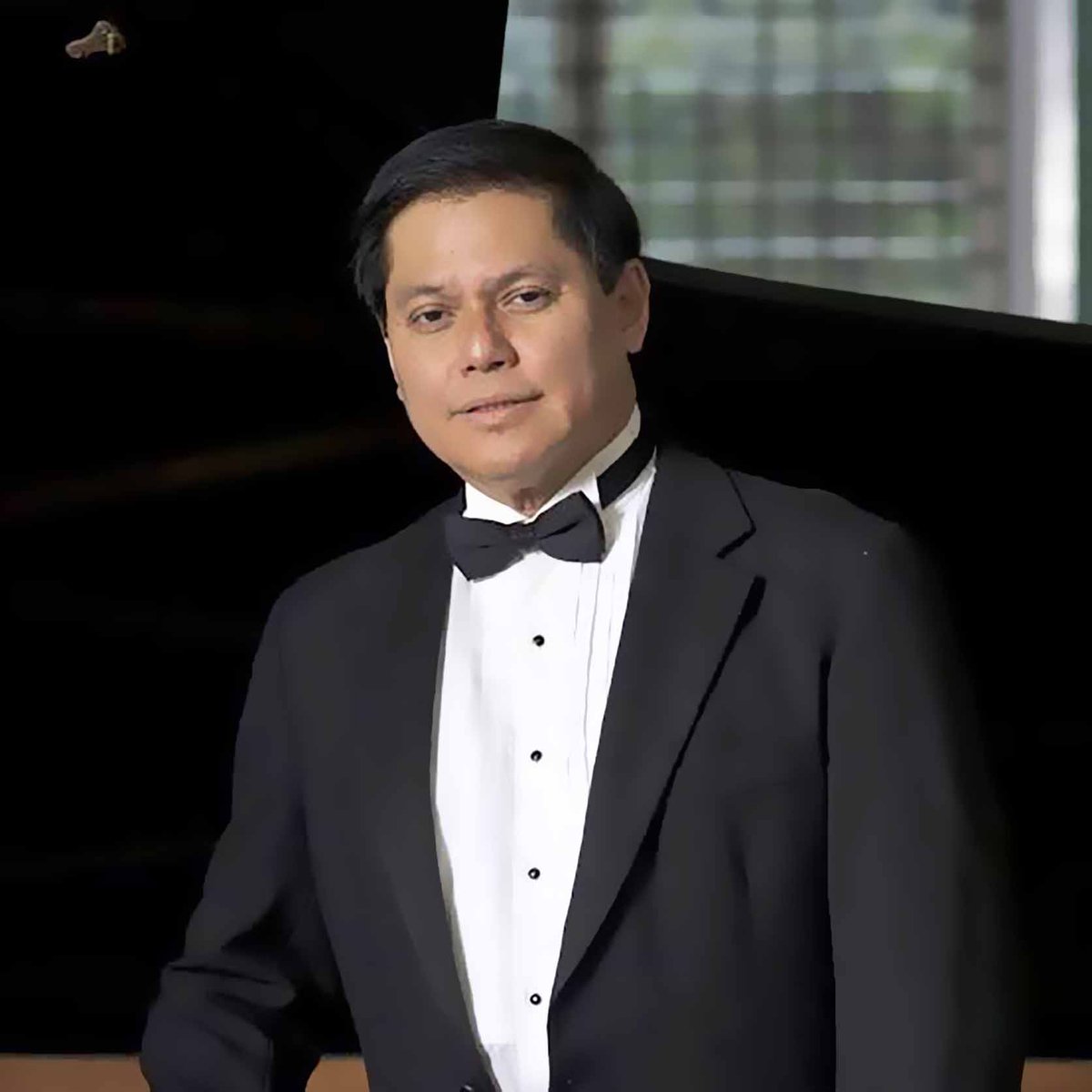
‘CONCERT IV Ode to Joy’ together with Filipino concert pianist and former CCP president Raul Sunico.
 Nohmer Nival, Dariusz Machej, Maestro Grzegorg Nowak, Dorota Sobieska, Zadkiel John Zid Yarcia, and Byeong In Park..JPG?w=1200&auto=format)
‘CONCERT VII Don Pasquale’ curtain call (from left) Nohmer Nival, Dariusz Machej, Maestro Grzegorg Nowak, Dorota Sobieska, Zadkiel John Zid Yarcia and Byeong In Park.
Photographs courtesy of the cultural center of the philippines
Oh, how I miss the singular Friday of the month, all because the concert series called Switch of the Cultural Center of the Philippines has come to a close! The 39th concert season of the Philippine Philharmonic Orchestra (PPO) were evenings to remember.
I must admit, the end-of-the-work-week visits have been habit-forming, as I braced for the drive to the Samsung Performing Arts Theater in Makati City for eight consecutive months, to behold spectacular showcases of musical talents.
In all this, the PPO was bewitched by the baton of Maestro Grzegorg Nowak, a principal associate conductor of the Royal Philharmonic Orchestra in London and was a music director of a multitude of orchestras and operas in Poland, Germany, Switzerland and the United States. They remained a constant in every single shakeup.
Let us recall fond memories of the repertoires:
Concert I: Roman Carnival brought Mark Bebbington, one of Britain’s most innovative pianists, to our shores to showcase Hector Berlioz’ Roman Carnival, Edvard Grieg’s Piano Concerto, op. 16, A minor, and Ottorino Respighi’s Pini di Roma. The result was dynamic compositions full of energy, as it was headlined by a vibrant nine-minute opus.
Concert II: Italian Night featured Swiss-born cellist Wen-Sinn Yang, who has joined hands with the Bavarian Radio Symphony Orchestra, the Shanghai Symphony, the NHK Tokyo, the Royal Philharmonic Orchestra, and the Russian State Orchestra of Moscow. He masterfully performed Antonin Dvořák’s Cello Concerto, op.104, B minor, Felix Mendelssohn’s Symphony No. 4, op.90, A major (“Italian”), and a domestic commissioned work entitled Sarung Banggi: A Symphonic Serenade by Potenciano Gregorio, Sr. (arranged by Angel Peña).
Concert III: Russian Masters saw the young Russian Nikolay Khozyainov to the forefront. He has had sold-out performances at the Carnegie Hall and Lincoln Center in New York, Kennedy Center in Washington, Wigmore Hall in London, the Louvre and Théâtre des Champs-Élysées, Salle Gaveau in Paris, Tchaikovsky Hall in Moscow, Tokyo’s Suntory Hall, Sydney Opera House, Tonhalle in Zurich, Palazzo Quirinale in Rome, Auditorio Nacional in Madrid, among many others. Together, they respectfully honored Peter Ilich Tchaikovsky’s Eugene Onegin: Polonaise, Sergei Rachmaninoff’s Piano Concerto no. 2, op.18, C minor, and some selections from Sergei Prokofiev’s Romeo and Juliet.
Concert IV: Ode to Joy was graced by none other than Filipino concert pianist and former CCP president Raul Sunico. Need we say more? The upbeat evening consisted of Wolfgang Amadeus Mozart’s Piano Concerto no. 21, K 467, C major and Ludwig van Beethoven’s Symphony no. 9, op.125, D minor — absolute classics!
Concert V: Fate was honored to have pianist Jerome Rose, hailed as “the Last Romantic of our own age” and one of America’s most distinguished, as the soloist. He did justice to Johannes Brahms’ Piano Concerto no. 1, op. 15, D minor and Pyotr Ilyich Tchaikovsky’s Symphony no. 4, op.36, F minor.
Concert VI: Piano Rapture had to call in substitute Russian pianist Roustem Saitkoulov, who delivered as an amazing of a performance for the shoes he had to fill. He has shared the stage with the likes of the Royal Philharmonic Orchestra London, Monte Carlo Philharmonic Orchestra, Prague Symphony Orchestra, Sinfonia Varsovia, RAI Symphony Orchestra Torino, Tonhalle Orchestra Zurich, St. Petersburg Philharmonic Orchestra, Tokyo New City Orchestra and Beijing Symphony Orchestra. The lineup was a fantastic flurry of Stanislaw Moniuszko’s The Fairy Tale Overture, Ludwig van Beethoven’s Piano Concerto no. 4, op.58, G major, and Rachmaninoff’s Symphony no. 2 op. 27.
Concert VII: Don Pasquale took a different turn, as “Switch” unleashed a concert-style opera performance, featuring various renowned artists instead of a singular star. This setup was unfamiliar, at least for me, so it was a refreshing take.
Soprano Dorota Sobieska as Norina is a co-founder of the Cleveland Opera. She has conducted shows in the United States, Canada, Bulgaria, Germany, and Poland. Bass Dariusz Machej, as Don Pasquale himself, is a Fryderyk Music awardee who has collaborated with the Grand Theatre National Opera in Warsaw and the Metropolitan Opera in New York.
The duo was joined by South Korean-born and Philippine-based baritone Byeong In Park, as Dr. Malatesta, who has teamed up with the Graz Opera Theater in Austria and Die Staatstheater Stuttgart in Germany. Tenor Nohmer Nival, as Ernesto, is an up-and-coming artist who has already garnered recognitions from the National Music Competition for Young Artists and the Jovita Fuentes Vocal Competition. Finally, Baritone Zadkiel John “Zid” Yarcia, as the Notary, has represented and won laurels for the Philippines at the World Championships of Performing Arts.
Concert VIII: Fete Francaise, the final instalment, tapped violinist Diomedes Saraza Jr. as the guest soloist. A former Manila Symphony Orchestra concertmaster, he has taken part in solo performances with the Mannes Orchestra, New York Symphonic Arts Ensemble, and the Sichuan Philharmonic Orchestra, to name a few, in venues such as New York’s Avery Fisher Hall, Alice Tully Hall, Carnegie Hall, and Russia’s Tchaikovsky’s Concert Hall. The affair proceeded with faithful renditions of National Artist Lucresia Kasilag’s Violin Concerto No. 1, Camille Saint-Saëns’ Introduction & Rondo Capriccioso, Op. 28, and Franz Schubert’s Symphony No. 5.
Through all eight shows, we must acknowledge the efforts of Maestro Grzegorg Nowak, who made these all possible.
Looking forward, we fervently hope there’s another Switch for the next season and beyond. Calling the CCP Board of Trustees under the new leadership of Kaye Tinga, together with Maestro Nowak, please let this be a recurring reality!
Three decades after the Marcopper mining disaster devastated Marinduque’s waterways, the province is again pressing the…
Housing is probably the biggest issue affecting people the world over.
Malacañang on Monday called for a more thorough investigation into the questioned flood control projects in Taguig…
The defense on Monday backed the move by senator-judges to exclude a prosecution witness who testified on the firearms…
