




May inflation seen settling within gov’t target

Text size
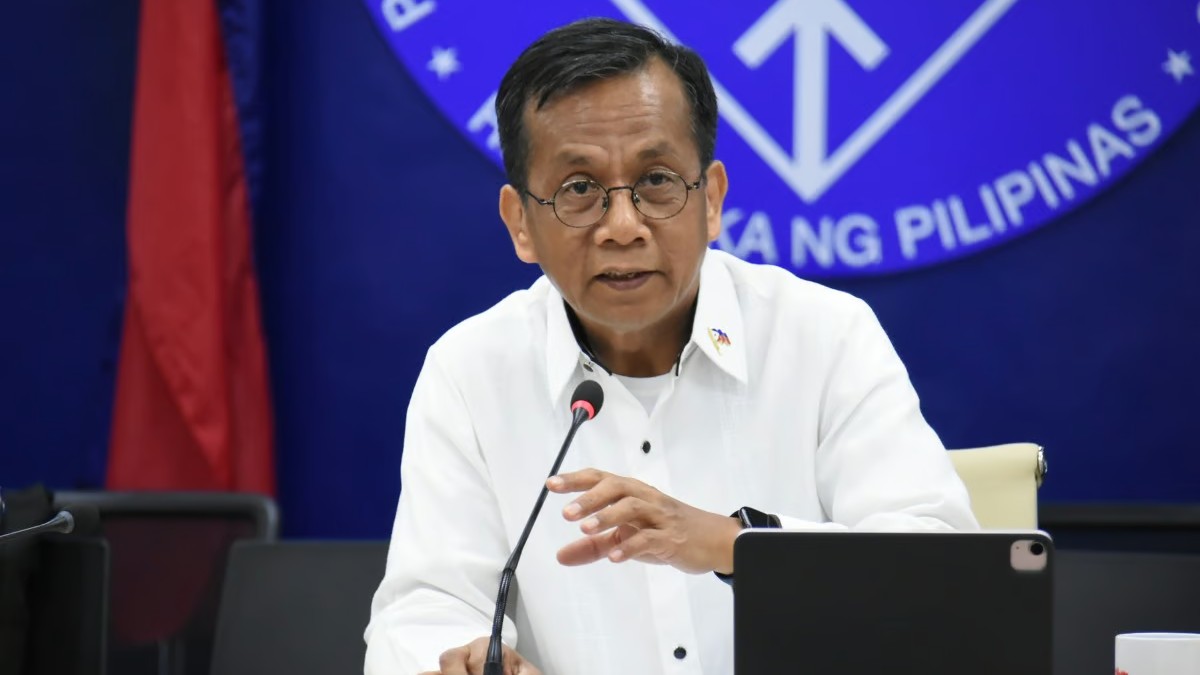
National Economic and Development Authority (NEDA) Secretary Arsenio Balisacan on Monday expected the country’s headline inflation to remain within the government’s 2 to 4 percent target this month.
Balisacan made the remarks on the sidelines of the Philippine Economic Briefing at the Philippine International Convention Center in Pasay City as the headline inflation reached 3.8 percent, placing it at the upper limit of the government’s target range.
The Philippine Statistics Authority is expected to release the May 2024 inflation report on 05 June.
“The country’s inflation for May can be lower or it can be higher than 3.8 percent, but we expect to be in that range,” Balisacan said.
“We are still aiming for 2 to 4 percent, the target for the year. I think that we should be there,” Balisacan added.
A report published by the Bangko Sentral ng Pilipinas (BSP) on Monday indicated that analysts predict headline inflation will stay within the target range this year, though it is likely to settle at the higher end due to ongoing headwinds.
According to the BSP’s Monetary Policy Report for May 2024, preliminary findings from the BSP’s survey of external forecasters for this month reveal that the average inflation forecast for 2024 decreased from 3.8 percent in April 2024 to 3.7 percent this month.
The BSP stated that analysts think upside risks remain prevalent, primarily because of ongoing supply chain disruptions.
Broad subsidies
Balisacan on Monday opposed the idea of providing broad subsidies for oil and electricity, emphasizing a more targeted approach to aid the vulnerable sectors of society.
On the sidelines of the Philippine Economic Briefing in Pasay City, Balisacan said he prefers implementing targeted subsidies aimed at vulnerable sectors rather than general subsidies which, he argued, disproportionately benefit the wealthy.
The NEDA chief’s remarks follow San Miguel Corp. president and CEO Ramon Ang’s remarks during a panel discussion, where he noted that fuel and power prices in the Philippines are higher compared to neighboring countries because those countries provide subsidies.
“We have been there before. I think our approach is not to subsidize oil generally but what we can subsidize (is the) vulnerable sector,” Balisacan said.
“We should avoid subsidizing power, electricity, fuels generally, because the biggest consumers of fuels, for example, are the rich. The biggest consumers of electricity are the rich, so if you subsidize those, who benefits?” Balisacan added.
Housing is probably the biggest issue affecting people the world over.
Malacañang on Monday called for a more thorough investigation into the questioned flood control projects in Taguig…
The defense on Monday backed the move by senator-judges to exclude a prosecution witness who testified on the firearms…
