




DoH reports 2,264 cases of measles-rubella

Text size
Three decades after the Marcopper mining disaster devastated Marinduque’s waterways, the province is again pressing the…
Housing is probably the biggest issue affecting people the world over.
Malacañang on Monday called for a more thorough investigation into the questioned flood control projects in Taguig…
The defense on Monday backed the move by senator-judges to exclude a prosecution witness who testified on the firearms…
The Department of Health (DoH) has reported over 2,000 cases of measles and rubella nationwide. Latest data from the DoH showed that 2,264 cases were reported as of 27 April, an increase of 39 percent compared to the 1,627 logged on 6 April.
Children under 10 years old are at most risk for measles and rubella.
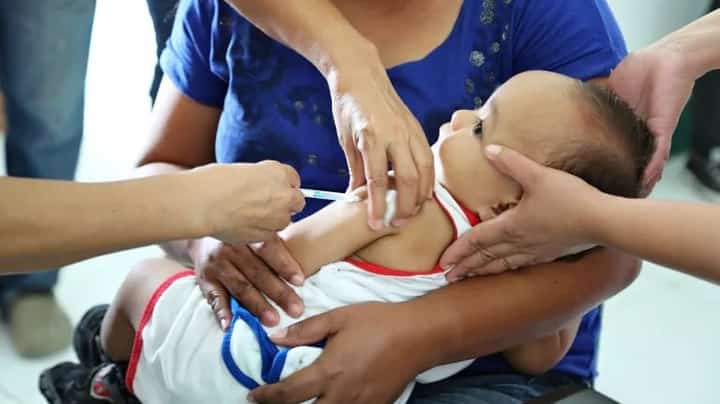
The DoH said it has vaccinated about 1.7 million children aged six months to below 10 years old with the measles-rubella vaccine under the Measles Outbreak Response Immunization in the Bangsamoro Autonomous Region in Muslim Mindanao (BARMM).
About 77 percent of cases in the Philippines had been reported in the BARMM. The DoH said ir is targeting to vaccinate 1.3 million children in the region against measles and rubella.
Measles, or “tigdas” in Filipino, is highly contagious. It spreads from infected individuals through the air, especially through coughing or sneezing.
It affects all age groups but is more common in children. Symptoms include high fever, cough, runny nose, and a body rash.
There is no specific treatment for the virus that causes measles.
