
 Daily Tribune
The results were based on the BSP’s Senior Bank Loan Officers’ Survey, whose latest run engaged 53 banks between 28 February to 8 April.
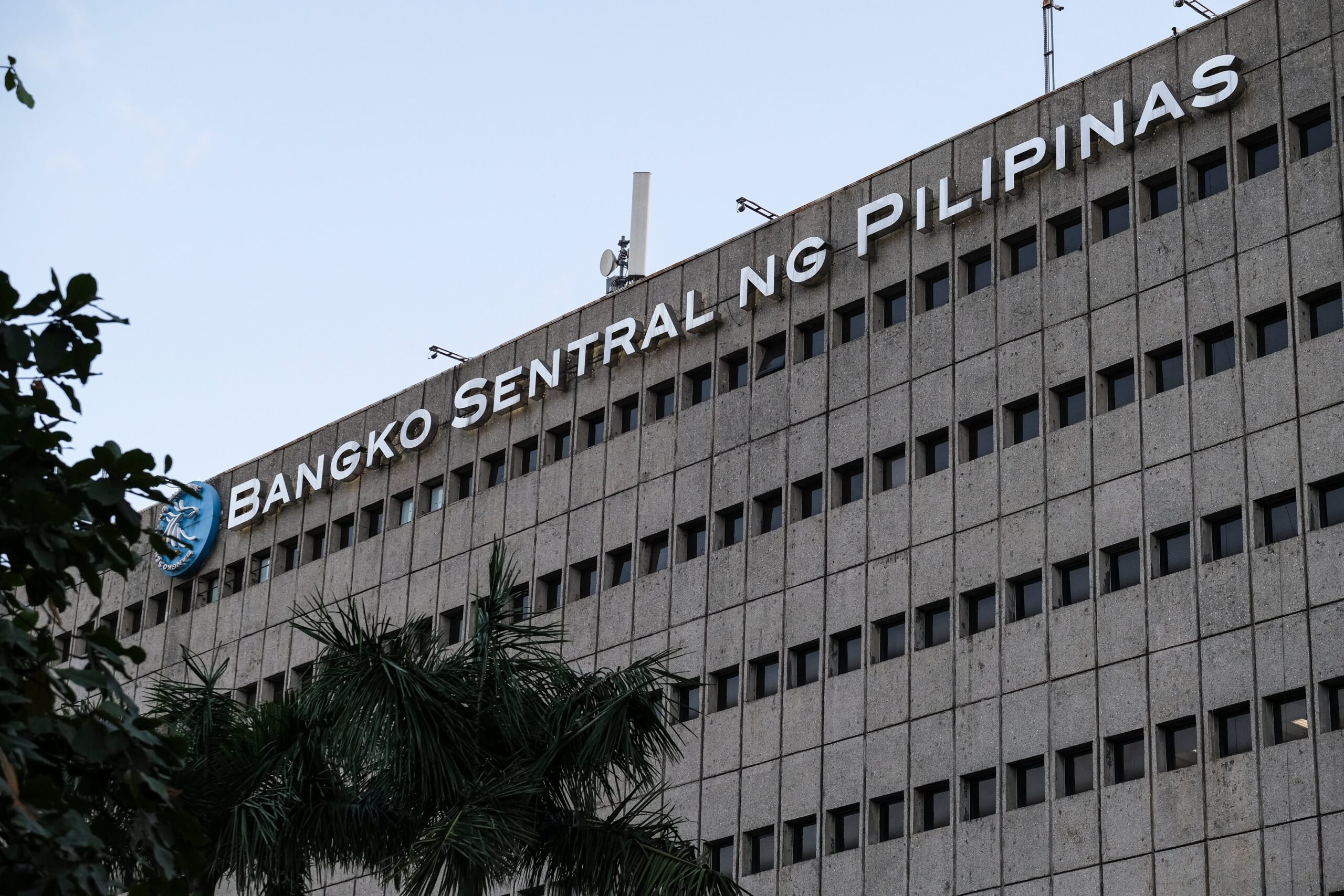
Bangko Sentral ng Pilipinas
Most banks plan to retain their credit standards to households and businesses in the second quarter amid stabilizing loan demand and a robust economy, the Bangko Sentral ng Pilipinas (BSP) reported.
The majority or 80 percent of banks said they would keep their lending standards, while only 11.4 percent indicated a preference for stricter standards.
The sentiment was reflected in banks’ performance in the first quarter.
The results were based on the BSP’s Senior Bank Loan Officers’ Survey, whose latest run engaged 53 banks between 28 February to 8 April.
During the period, inflation rose to 3.7 percent in March from 2.8 percent in January based on data from the Philippine Statistics Authority.
Meanwhile, the BSP maintained a 6.5 percent policy rate to prevent higher inflation as a result of increasing geopolitical risks.
“The banks maintained lending standards to household loans due to banks’ unchanged risk tolerance, steady profitability of banks’ asset portfolios, as well as stable economic outlook and profile of borrowers,” BSP said.
The unchanged standards are also seen to apply to house loans as economic risks remain manageable, the banks said.
Majority or 80.4 percent of banks also plan to implement steady lending standards to businesses, while only 11.8 percent favor tighter standards.
Similarly, most banks found economic risks to be benign and their balance sheets strong.
With such optimism, 88.9 percent of banks also prefer maintaining credit standards on commercial property loans.
Steady demand
Most banks or 57.1 percent expect flat growth in households’ demand for loans including house loans, in the second quarter as certain risks persist.
Still, 40 percent of banks see borrowings to increase in the near term, with a mere 2.9 percent expecting a decline.
The majority or 60.8 percent of banks also expect unchanged loan demand among businesses.
Unlike the case with households, a smaller group of banks, or 39.2 percent project a higher appetite for commercial loans.
Due to some economic uncertainty, banks specifically expect demand for house loans to remain flat.
Sustained consumption
HSBC economist Aris Dacanay said loan demand and cash inflows among households and firms will still be supported by better employment rates.
“You have 3 million more people working compared to what the demographic trend suggests. Right now, we are at the start of the demographic dividend,” he said.
“Imagine in the next five years there will be a lot more people buying houses,” Dacanay added.
According to the Philippine Statistics Authority, the employment rate improved to 96.5 percent in February from 95.5 percent in January.
Michael Ricafort, chief economist of Rizal Commercial Banking Corp., added households will likely remain liquid as their family members working abroad continue to send money back home.
Historically, he said annual remittances to the Philippines grow by at least 3 percent.


