




The battle against climate change: Beyond ages and between generations

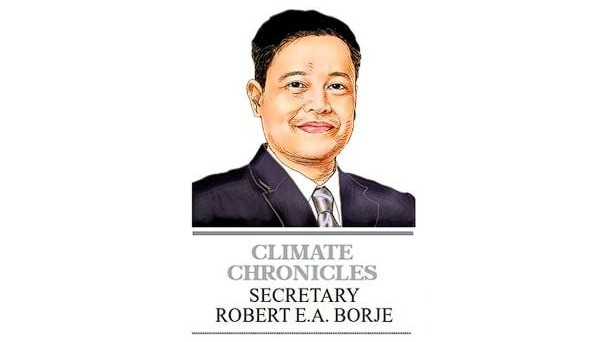
Secretary Robert E.A. Borje
Text size
Secretary Robert E.A. Borje
The changes in the Earth’s climate are as natural as they come; however, the rapid rise in global temperature, which is fast-tracking climate change, is not.
According to NASA scientists, at least eight different long-term cycles of ice ages and warmer periods have occurred over several millennia. These cycles have been attributed to small variations in the Earth’s orbital motions, which affect the amount of solar energy that the Earth absorbs. In simple terms, the heating and cooling of the Earth depend on the amount of solar energy it receives.
However, the climate change we are experiencing today is anthropogenic or human-induced in nature rather than part of Earth’s natural cycles. The Sixth Assessment Report from the Intergovernmental Panel on Climate Change firmly asserts that the 1.1 degrees Celsius temperature rise we experienced in the 1900s is the direct result of a significant increase of greenhouse gases such as carbon dioxide, methane, and nitrous oxide in our atmosphere over the industrial revolution.
It is astounding to imagine that just over two centuries ago, the world was freer from the extreme ecological challenges we face today. Humanity then enjoyed less polluted air, water and surroundings beyond our current imagination.
Unfortunately, with the advent of new technologies came irresponsible depletion and degradation of our planet’s resources, leading to a surge in global temperatures.
While scientists acknowledge that the observable effects of global warming began in the middle part of the 1900s, the origins of global warming trace back to the 1750s, coinciding with the early stages of the industrial revolution.
The excessive burning of fossil fuels such as coal, oil and natural gas for power and energy production has been a major driver of significant changes to the planet’s climate. Two centuries later, fossil fuels remain the primary cause of greenhouse gas emissions. The only difference is that the rate and amount of burning have significantly increased to meet the demands of our ever-growing population.
Apart from fossil fuels, modern human activities such as improper land use and deforestation add another layer to our longstanding climate issue. Centuries of neglect of our stewardship duties and obligations, coupled with years of sins of omission and commission by past and current generations, have placed us to where we are now: a world ravaged by raging typhoons, rising sea levels, and scorching temperatures.
While climate change began with our forefathers, it has persisted through time and across many generations of people, leaders, and governments, allowing it to evolve into the far-reaching existential challenge that it is today.
Climate change is driving numerous humanitarian crises, including heatwaves, wildfires, floods, and storms, which are dangerously escalating in terms of scale, frequency, and intensity. An October 2021 study by Nature Climate Change revealed that approximately 85 percent of the world’s population is affected by climate change. With 3.6 billion people residing in high-risk areas, this phenomenon poses a significant threat to human health as well as to various aspects of life, including social and economic activities and systems.
The United Nations and the World Meteorological Organization inform us that over the last 50 years, climate change has resulted in over 2 million deaths and caused 4.3 trillion U.S. dollars’ worth of economic losses worldwide. Furthermore, it is forecasted that between 2023 and 2050, climate change will lead to over 250,000 additional deaths annually due to climate-exacerbated and disaster-induced health risks, including malnutrition, dengue, malaria, diarrhea, and heat-related illnesses.
Climate change also affects our ability to produce food, thereby threatening our food security. According to UNICEF, around 2 billion people do not have any free access to clean water or sufficient food, with climate events being one of the main causes. Without any effective and expeditious interventions, this number could rise by 30 percent in 2050.
Despite contributing less to global greenhouse gas emissions compared to developed nations over time, it is the developing nations like the Philippines that suffered and will likely continue to suffer the most due to the worsening effects of climate change. Similarly, despite inheriting the problem from past generations, it is the current generation that bears the greatest burden of suffering from climate change. If we fail to take significant action to mitigate and adapt to climate change and its effects, it will be the future generation who will experience unimaginable and far greater devastation, losses and damages.
With climate change rapidly increasing the planet’s temperature, there’s no time to waste on finger-pointing for invisible “culprits.” What the Earth needs, and what we need, is the full and inclusive participation of everyone, regardless of age or nationality, in efforts to protect our planet from the perils of human-induced pollution, deforestation, and carbon emissions — the main drivers of climate change.
Ever since it was recognized as an urgent global issue in the late 1980s, the world has been ramping up its efforts to effectively combat climate change. Countless pro climate programs have been implemented over the years. Despite this, we are still far from reaching our goal. There is much to be done. To be specific, we need more solid policies on mitigation, adaptation, and cooperation between countries across all sectors of society.
Beyond government intervention, however, protecting the planet doesn’t have to be complicated nor complex at the personal level. Individually, there are numerous actions we can take to help heal and preserve the Earth. Simple acts such as reusing, reducing, refusing, recycling, and repurposing plastic waste, conserving energy, planting trees, cleaning up our surroundings, and adopting a sustainable lifestyle are just a few ways each of us can contribute.
In our protracted battle against climate change, it is important to recognize that factors like age and generational identification are irrelevant because, ultimately, we all suffer from the disasters and horrors it brings. However, this suffering is particularly acute for future generations, as they are poised to inherit a two-century-old problem that continues to spiral out of control with each passing day.
In this sense, it falls upon the current generation, us and especially today’s youth, to carry the torch symbolizing humanity’s fight against climate change and global warming. The crucial question remains: will the youth opt to act until they’re older, or will they join the fight now? We hope it’s the latter. After all, climate change is beyond time and between generations, and the youth will experience the increased severity of its effects, regardless of when and how they choose to engage in the battle.
In the meantime, our responsibility as adults to address climate change now is real: we need to do more for our youth and the generations to come. There is no other choice, no other option.
- Secretary Robert E.A. Borje
Housing is probably the biggest issue affecting people the world over.
Malacañang on Monday called for a more thorough investigation into the questioned flood control projects in Taguig…
The defense on Monday backed the move by senator-judges to exclude a prosecution witness who testified on the firearms…
