
 Daily Tribune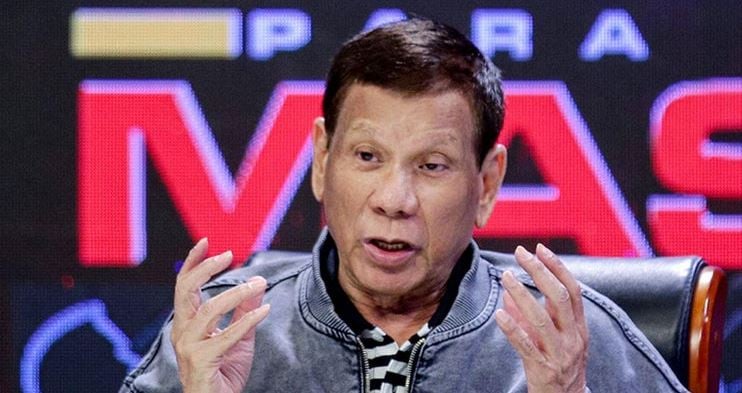
(FILES) Former President Rodrigo Duterte
(Frame grab courtesy of SMNI)
President Ferdinand Marcos Jr. on Monday categorically rejected the possibility of extraditing former President Rodrigo Duterte should the International Criminal Court (ICC) issue an arrest warrant against him.
Marcos rejected the idea during a press conference where the Chief Executive addressed the foreign correspondent's question regarding the country's stance on potential ICC actions against Duterte.
"We don't recognize the warrant that they will send to us. That's a no," Marcos said when asked about whether the Philippines would comply with an ICC arrest warrant for Duterte.
The ICC has been looking into claims that Duterte's controversial war on illegal drugs, in which thousands of people were killed while he was president.
As of 2019, the Philippines is no longer a part of the ICC's Rome Statute because Duterte pulled the country out of it in 2018.
This happened after the ICC started a preliminary investigation into his government's drug war.
Rights groups say that up to 30,000 people may have been killed in Duterte's fight against drugs.
More than 6,000 people were killed in the campaign.
When asked about the applicability of the ICC's rules to the Philippines particularly on the selective application of the international rules-based order, Marcos reiterated that the Philippines does not recognize the jurisdiction of the ICC.
"What is the rule about the ICC? When do they adopt jurisdiction? They have jurisdiction in a country when no judicial system is working, no police force is functioning," Marcos said.
Asserting the functionality of the Philippine judiciary and law enforcement, Marcos said the legal and policing systems in the country is strong and active, thus dismissing the necessity of ICC intervention.
"We are well within international law when we take the position of not recognizing the jurisdiction of ICC in the Philippines," Marcos said.
Marcos had already said in February of last year that he wasn't going to assist with the ICC probe and that he saw the ICC as a threat to Philippine sovereignty.


