




Commission iterates importance of wetlands in biodiversity survival

Text size
The Climate Change Commission (CCC) emphasizes the vital role of wetlands in ensuring the survival of our planet and our species.
Wetlands are considered one of the world’s most productive environments, providing the water and productivity where various species of plants and animals depend for their survival. All of this points to human survival, which brings us to the question, are wetlands really that important?
Wetlands are also the best carbon sinks there is. According to the Ramsar Convention on Wetlands of International Importance Especially as Waterfowl Habitat, or the Convention on Wetlands, peatlands store approximately 30 percent of all carbon emitted on land. This is double the amount that all forests combined can store.
What do wetlands do?
Protect against floods. Wetlands trap and slowly release rain, surface water, groundwater and flood waters. They are aided by trees, root mats and other wetland vegetation that slow the speed of flood waters and distribute them over floodplains. This combined braking action reduces soil erosion and lowers flood heights.
Improve water quality. Wetlands provide unparalleled values and services, including improving natural water quality, flood protection, and shoreline erosion control. Many wetlands replenish underground aquifers where 97 percent of the world’s unfrozen freshwater are stored. Plants and soil in wetlands work together to purify this water source, making them safe to drink.
Trap carbon dioxide. Wetlands are home to countless varieties of plants, wildlife and microbes which play a vital role in atmospheric maintenance. Wetlands are able to trap and store carbon within these plants and soil instead of releasing it to the atmosphere as carbon dioxide, making them one of the most important components in moderating the global climate crisis.
The Philippines currently has eight Ramsar Sites, including four wetlands, namely:
Olango Island in Lapu-Lapu, Cebu (920 hectares) — where millions of shorebirds rest enroute from Siberia and northern Japan to Southeast Asia and Australia to escape the cold weather. Each year Olango sees nearly 100 different species of birds, most of which are migratory.
Naujan Lake National Park in Oriental Mindoro (14,568 has) — the fifth largest lake in the Philippines (14kms by 7kms) where aquatic vegetation abound. Communities within the area depend upon the lake for their livelihood, particularly through fishing.
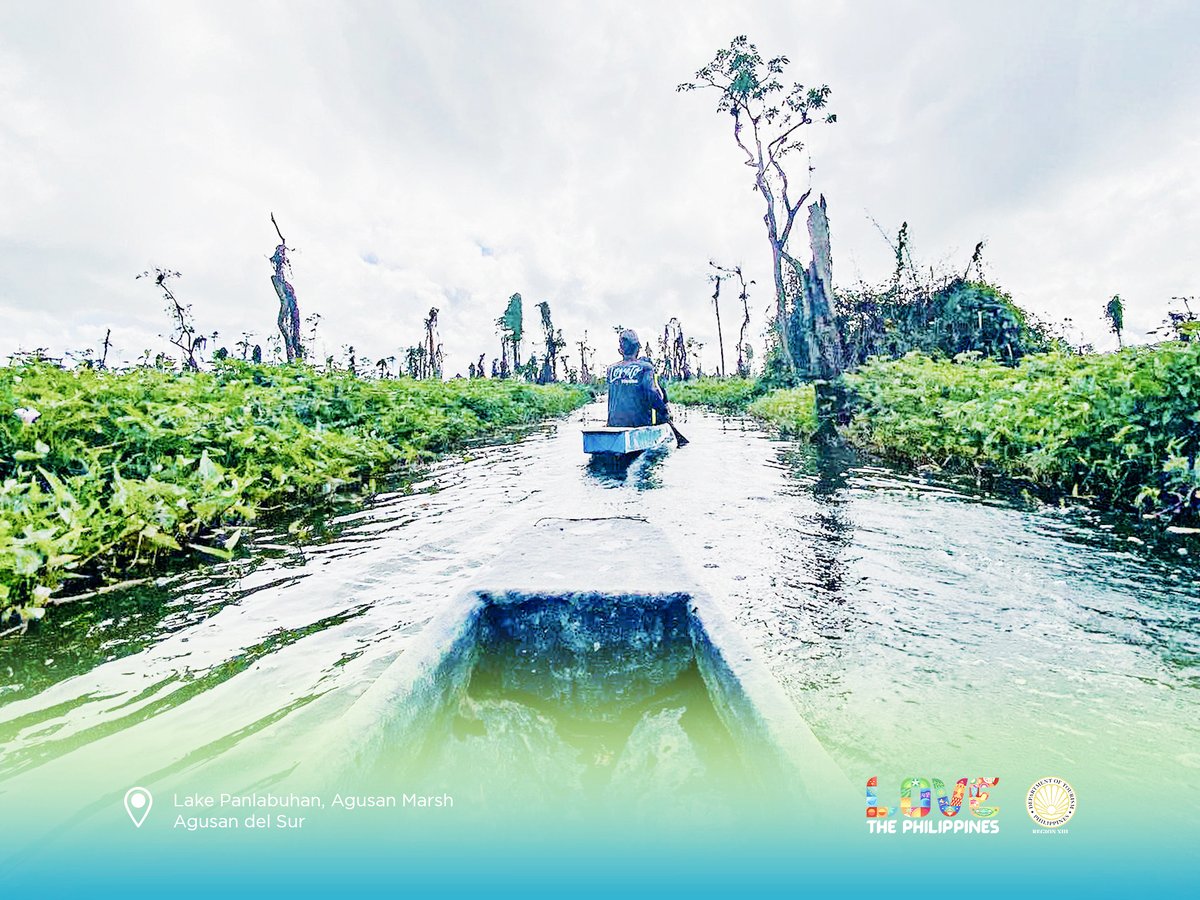
Agusan Marsh Wildlife Sanctuary (14,836 has) — includes a number of freshwater marshes and water-courses with numerous shallow lakes and ponds in the upper basin of the Agusan River and its tributaries. It functions as storage for rain water, reducing the immediate downstream flow of flood water into Butuan City and other nearby communities.
Tubbataha Reefs National Marine Park (33,200 has) —located in the middle of the Central Sulu Sea about 150 kms southeast of Puerto Princesa City, and is home to more than 300 coral species and 379 fish species. Sea turtles, dolphins, tuna and jackfish can be found in the reefs. Tubbataha Reef was included in the UNESCO’s World Heritage list in 1993.
The Ramsar Convention on Wetlands of International Importance Especially as Waterfowl Habitat is an international treaty for the conservation and sustainable use of Ramsar sites. It is named after the city of Ramsar in Iran, where the convention was signed in 1971.
The CCC is the lead policy-making body of the government tasked to coordinate, monitor and evaluate government programs and ensure mainstreaming of climate change in national, local, and sectoral development plans towards a climate-resilient and climate-smart Philippines.
Housing is probably the biggest issue affecting people the world over.
Malacañang on Monday called for a more thorough investigation into the questioned flood control projects in Taguig…
The defense on Monday backed the move by senator-judges to exclude a prosecution witness who testified on the firearms…
