
 Daily Tribune
Inflation could temporarily accelerate above the target range in the next two quarters of the year due to the possible adverse impact of weather conditions on domestic agricultural output and positive base effect.
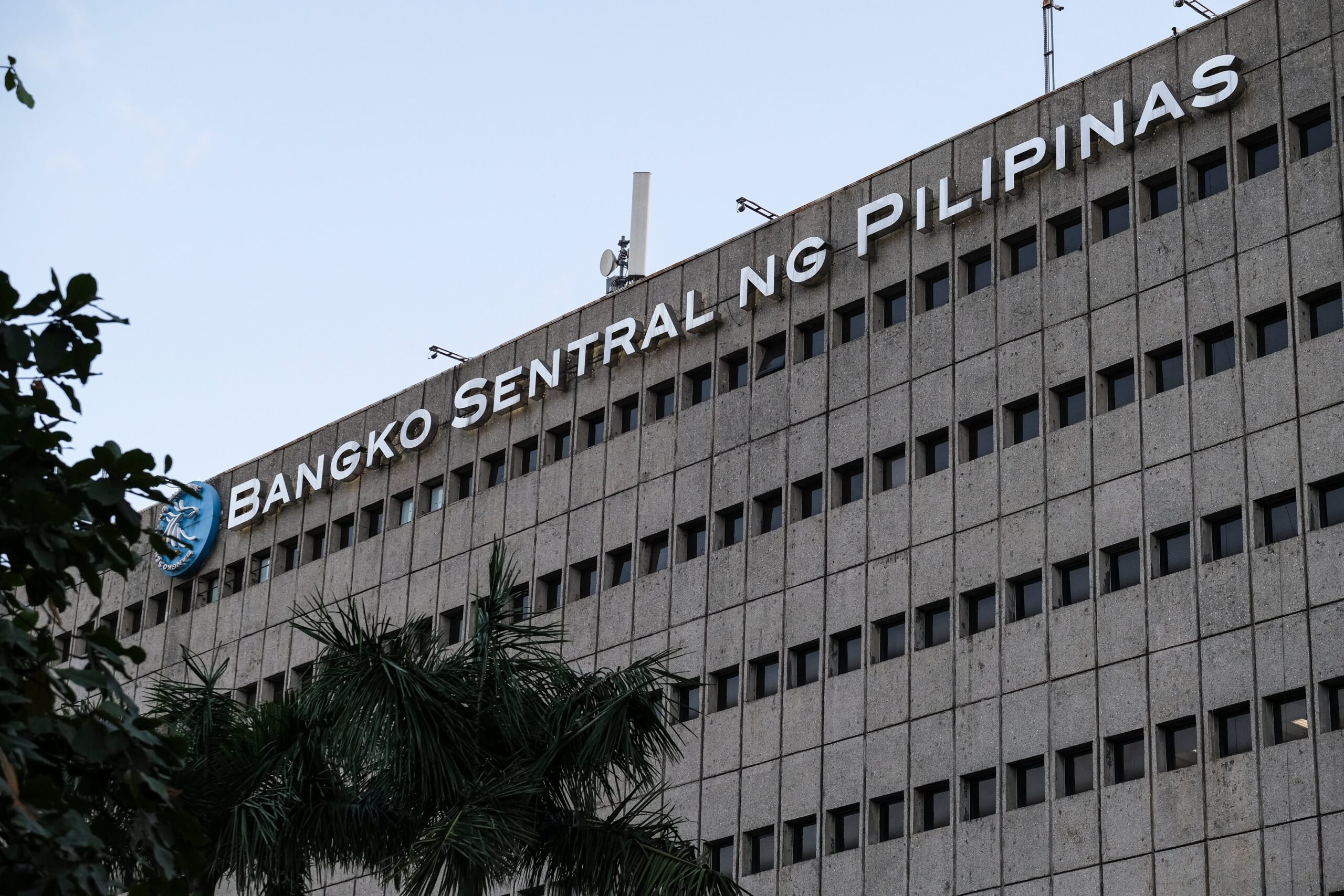
Bangko Sentral ng Pilipinas
The Bangko Sentral ng Pilipinas (BSP) and economists expect inflation in the next two months to exceed the government’s target of 2 to 4 percent mainly due to the weather and the positive base effect.
Rice prices rose by 24.4 percent last month compared to the same period in 2023 as El Niño strengthened.
As a result, March inflation rose to 3.7 percent from 3.4 percent in February based on data from the Philippine Statistics Authority.
“Inflation could temporarily accelerate above the target range in the next two quarters of the year due to the possible adverse impact of weather conditions on domestic agricultural output and positive base effect,” the BSP said Friday.
Eighteen local government units placed their areas under a state of calamity due to El Niño which has increased temperatures there to over 35 degrees Celsius.
“Since rice is a big staple in the Philippine consumer basket, high rice prices may spill over to the other components of the consumer price index,” HSBC economist Aris Dacanay said.
Bank of the Philippine Islands chief economist Jun Neri said rice prices will remain high as the country will continue to face constraints in the global market for this commodity.
1.7-M sacks inventory
“The 12-month rolling average of the country’s rice inventory currently stands at 1.7 million, the lowest since 2008. Importation has provided limited relief due to elevated global rice prices,” he said.
Meanwhile, positive or upward base effects are a math principle that naturally occurs when comparing figures from a lower level within a certain period.
“Thus, when we hit August this year, base effects should turn favorable, leading to a significant deceleration in headline inflation,” Dacanay said.
Despite the higher March inflation, he said prices of most goods and services or core inflation had been moving downward.
Unlike headline inflation, core inflation excludes volatile items like food and fuels.
“The good news is that this spillover seems to be benign so far, with core inflation easing year-on-year. This showcases that monetary policy is in the works and that there is no impending need for the BSP to raise policy rates further,” Dacanay said.
Core inflation further fell to 3.4 percent in March from 3.6 percent in April.
Economists expect headline inflation to return to the BSP’s target band within the second half of the year through strategic importation and better irrigation measures by the government.
President Ferdinand Marcos Jr. extended Executive Order 50 to allow lower tariffs for rice exporters until the end of the year.
“Inflation target is likely temporary, with inflation likely to ease in the 2nd half of the year, contingent on the conclusion of El Nino and its impact not being more severe than expected. We have retained our full-year inflation forecast at 3.8 percent,” Neri said.


