




Phl to face La Niña in June — DOST chief

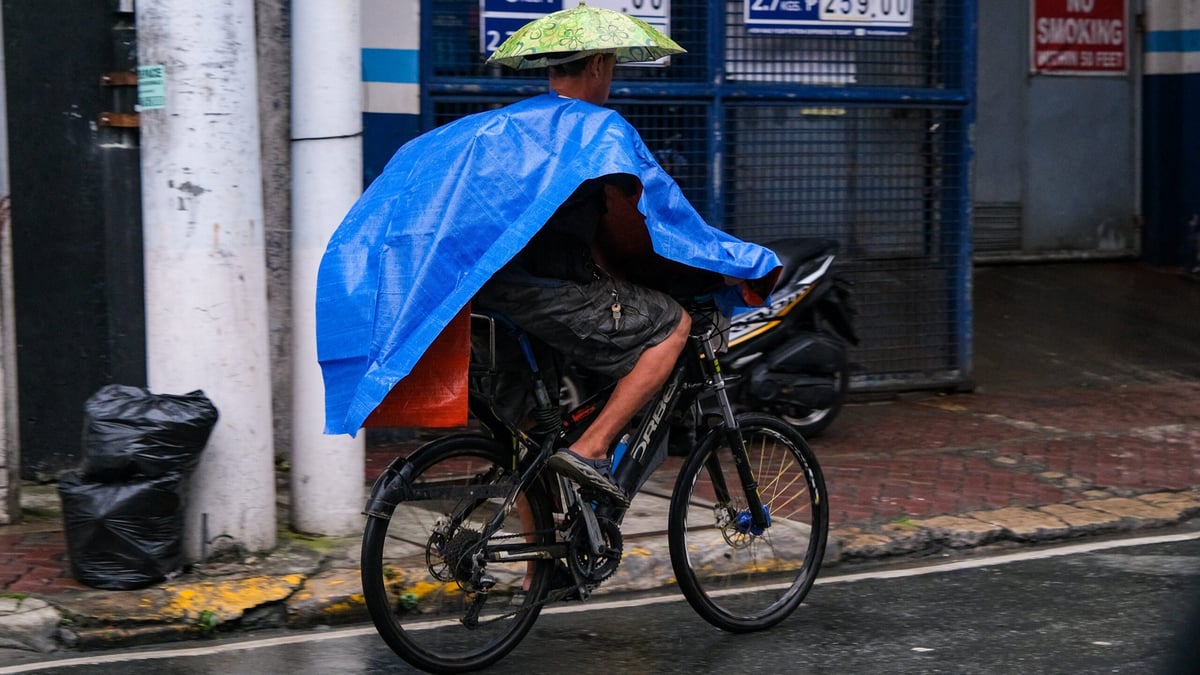
(FILES) A cyclist cobbles together plastic and an umbrella hat to protect himself from intermittent rain on 21 October 2023.
Photo by KING RODRIGUEZ
(FILES) A cyclist cobbles together plastic and an umbrella hat to protect himself from intermittent rain on 21 October 2023.
Photo by KING RODRIGUEZ
The Philippines will have a 62 percent chance of experiencing La Niña by June, with the possibility increasing in the latter half of the year, Department of Science and Technology (DOST) Secretary Renato Solidum Jr. said Tuesday.
In a Palace briefing, Solidum said the government will still have its action plans to address both El Niño and the potential La Niña in the country.
"The 62 percent by June refers to the probability of experiencing La Niña in the next six months. So it means that the effects of La Niña may not be immediately evident in June; it might occur later in the second half of the year," Solidum said.
However, Solidum warned of potential dry conditions due to El Niño that preceded La Niña's arrival and clarified the potential effects during the transition period.
The DOST Chief, citing historical data, said there is a gradual transition characterized by hot and dry winds preceding La Niña's onset.
"Even as El Niño weakens, which results in little rain and dry winds, we are now experiencing the pre-La Niña preparation months. So now, the months with drought are prolonged," Solidum said.
"Therefore, the onset of the rainy season is delayed, and our actions that were initially intended for the second half of the year need to be continued until the third quarter for the El Niño or drought effect," Solidum added.
Drought until August seen
In the same briefing, Solidum said there are still provinces experiencing drought by August
"There are ten (provinces that are still) in drought and one in dry spell, and two in dry conditions. The peak of this is in April and May, and then the numbers decrease from June to July until August. As of September, PAGASA hasn't observed any drought conditions so far," Solidum said.
When asked about the potential worsening of El Niño's impact with the summer season approaching, Secretary Solidum underscored the need for continuous preparation and action from both the government and the public.
He emphasized the Department of Health's (DOH) advisory on safeguarding against the adverse effects of intense heat, urging the public to prioritize hydration, appropriate clothing, and enough rest, particularly for individuals engaged in outdoor activities.
Housing is probably the biggest issue affecting people the world over.
Malacañang on Monday called for a more thorough investigation into the questioned flood control projects in Taguig…
The defense on Monday backed the move by senator-judges to exclude a prosecution witness who testified on the firearms…
