




No repeat of bloody drug war — BBM

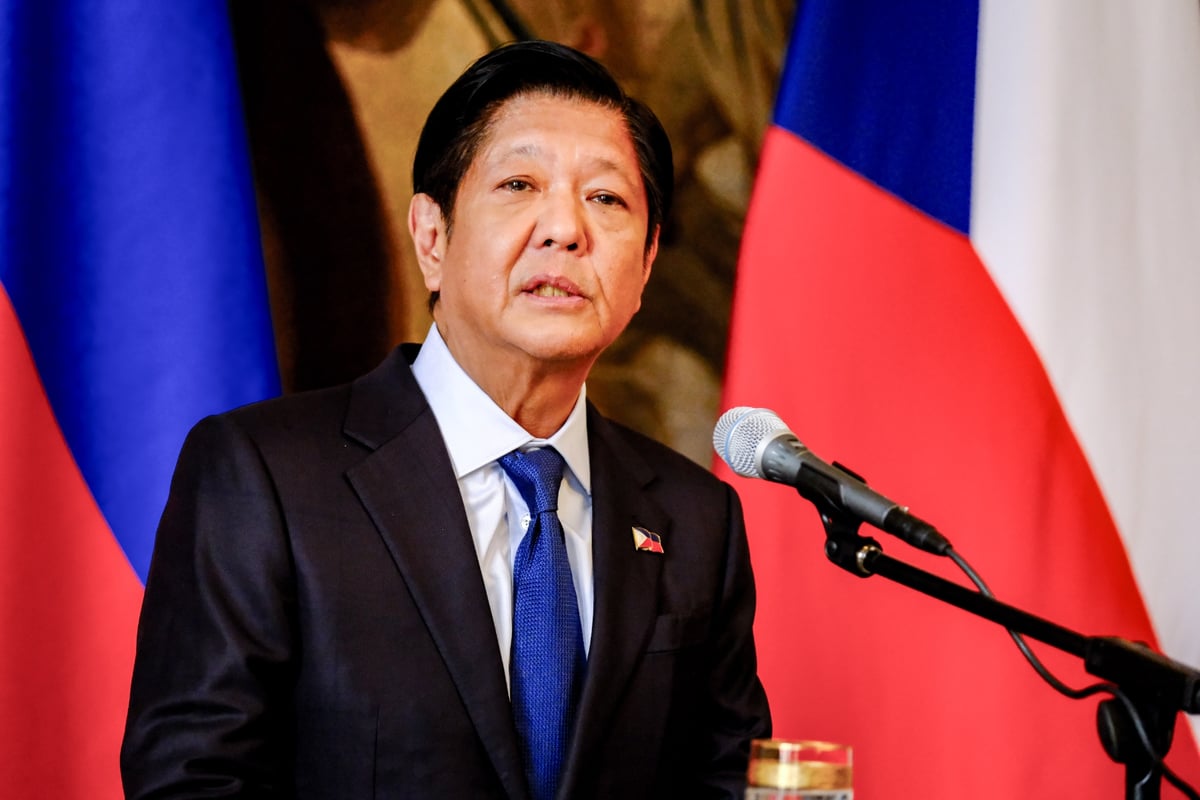
BERLIN, GERMANY — President Ferdinand Marcos Jr. on Wednesday (Berlin time) reiterated the Philippines’ stance against the International Criminal Court’s jurisdiction in the country.
In a meeting with German Chancellor Olaf Scholz earlier this week, Marcos explained the rationale for his decision after the former asked about the drug situation in the Philippines.
In an interview with the Philippine media delegation here, Marcos said Scholz “just basically asked about the status of the investigation into the anti-illegal drug war of the previous administration. I explained to him our concerns over jurisdiction that we have explained many times over the, our concerns with the jurisdiction of the ICC in the Philippines.”
“And why we are not recognizing that jurisdiction and the reason behind that,” Marcos said.
However, the president said the discussion went beyond a mere explanation of jurisdictional matters, as he emphasized to Scholz that his administration had significantly shifted its approach to the drug war.
“We have actually completely changed the concept of the anti-drug campaign,” Marcos said he told Scholz, apparently referring to the way his predecessor, former President Rodrigo Duterte, conducted the “bloody” anti-drug war that resulted in the deaths of about 7,000 persons according to official government records.
Other figures, however, from human rights and other independent or critical groups cited up to 30,000 victims of the drug war.
Marcos said that enforcement alone could not effectively address the drug issue. He highlighted the importance of prevention and rehabilitation, signaling a departure from the previous administration’s tactics.
“So, we are on a much different approach, and he (Scholz) listened to my explanation. I think we’re satisfied with that,” Marcos told the Filipino media.
During his trip to Washington last year, Marcos acknowledged the abuses during the Duterte administration’s crackdown on illegal drugs. He noted that the approach overly emphasized law enforcement.
The President had declared that the government would not engage with the ICC’s investigation, citing the lack of recognition of its jurisdiction over the Philippines. The Philippines severed its relationship with the ICC in March 2019 under the direction of Duterte.
Three decades after the Marcopper mining disaster devastated Marinduque’s waterways, the province is again pressing the…
Housing is probably the biggest issue affecting people the world over.
Malacañang on Monday called for a more thorough investigation into the questioned flood control projects in Taguig…
The defense on Monday backed the move by senator-judges to exclude a prosecution witness who testified on the firearms…
