 Daily Tribune
If we let online voting open the door to uncertainty and manipulation, we’re putting our whole system of democracy in peril.
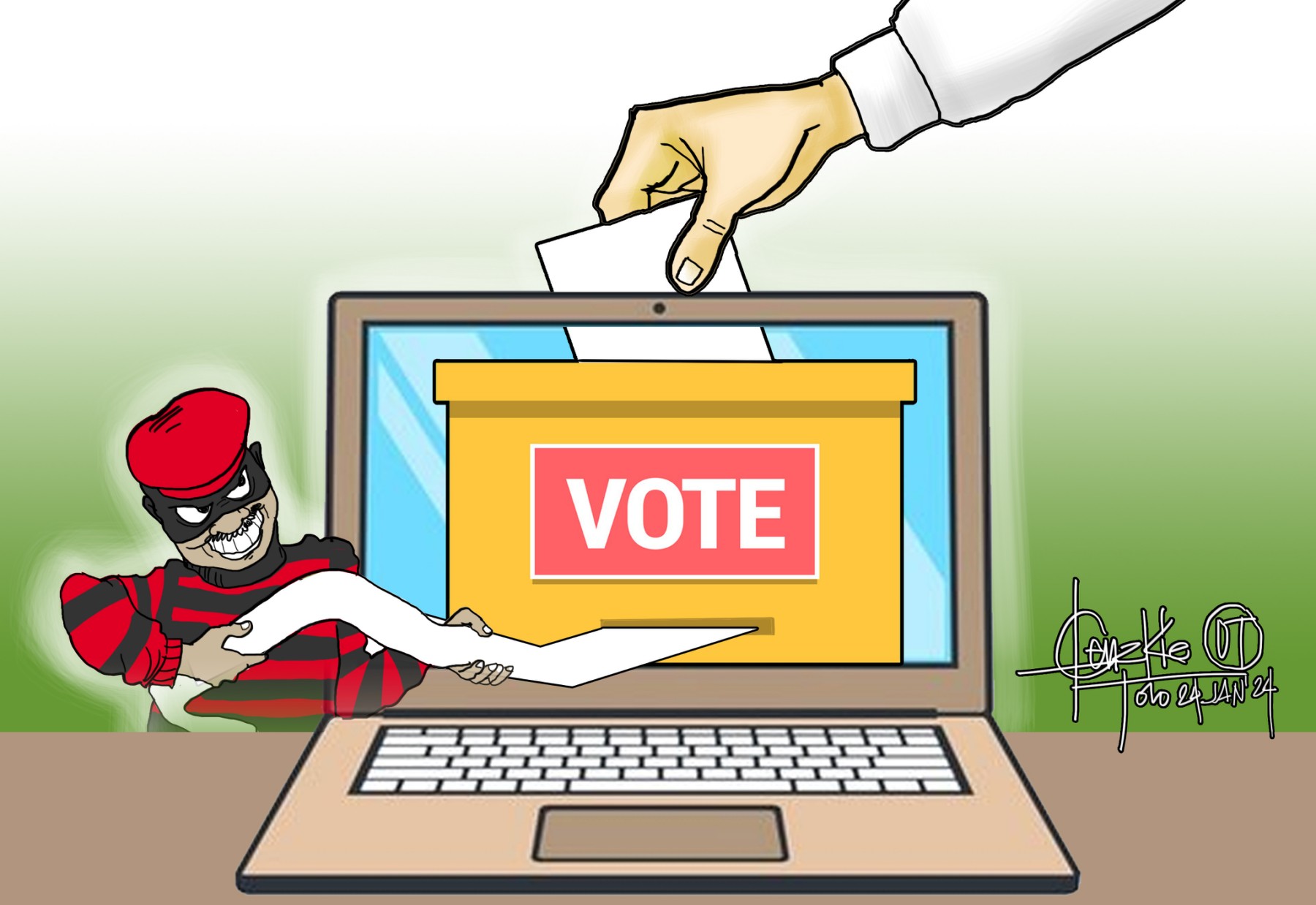
The allure of casting ballots from the comfort of one’s home or even while on the go is undeniable.
When the Commission on Elections announced last week that it had allocated more than P465 million to procure an internet electoral system for overseas voting in the 2025 polls, this was synonymous with voting convenience.
As a game-changer for busy individuals, people with disabilities, and those living in remote areas, online voting brings the ballot box to everyone’s fingertips, empowering more voices to be heard in our democratic process.
For overseas Filipino workers, there’ll be no more taking time off from work or traveling long distances to Philippine consulates to cast their precious votes.
The thought of voting online might seem super convenient, like ordering food with just a few taps on your phone. Except for something as important as voting, it’s a whole different story. Imagine if someone with a little know-how could easily pick the lock on your front door. That’s pretty much what computer scientists and security experts say about online voting — it’s too risky.
Experts across the globe are all raising red flags about online voting. They’re worried that it’s like leaving the front door of our democracy wide open to hackers and troublemakers. They’re saying that the technology we use for online voting isn’t secure enough, and that means terrible actors could mess with the votes and make the results unreliable.
If we were to keep our most valuable possessions safe, we’d want the best locks and security systems. Well, our votes are some of the most valuable things we have in a democracy, and we need to make sure they’re secure.
It isn’t just a bunch of tech talk — it’s about protecting the heart of our democracy. Our votes ensure our leaders are chosen fairly and our voices are heard. If we let online voting open the door to uncertainty and manipulation, we’re putting our whole system of democracy in peril.
So, when the experts who understand the digital world inside out say that online voting is too dangerous, we must listen. Our democracy is too precious to gamble with, and we owe it to ourselves and future generations to ensure that our votes are as safe as possible.
We’ve all heard the stories, seen the headlines, and felt the ripples of doubt cast upon past elections due to reported irregularities. We’ve seen instances of voter suppression, ballot tampering, and systemic vulnerabilities that have cast a shadow of doubt over the sanctity of our electoral process.
How can we even consider online voting a credible option for the future? It’s a valid question that demands our earnest attention and unwavering commitment to secure, transparent, and trustworthy democratic practices.
How can we trust a digital ballot box when we’ve struggled to secure the physical one?
The crux of the matter is — the potential for secure online voting is not a far-fetched fantasy. It’s a tangible possibility that hinges on robust technological solutions and unwavering commitment to cybersecurity, transparency, and accountability.
This is not a pipe dream but a vision of what secure online voting could be. It’s a vision that demands our solid commitment to harnessing the power of technology to fortify the very bedrock of our democracy.
So, can online voting be credible in the wake of past irregularities? The answer lies not in dismissing the challenges but in confronting them head-on. It lies in building a new paradigm of secure, transparent, and resilient voting systems.
So, when the Comelec Special Bids and Awards Committee picks the winning bidder for the online voting system, it must be fortified by state-of-the-art encryption, multi-factor authentication, and rigorous identity verification protocols.
Picture a digital infrastructure designed to repel cyber threats capable of withstanding the most determined attacks. Envision a system that offers end-to-end verifiability, allowing citizens to independently confirm that their votes have been accurately recorded and tallied — leaving no room for doubt.
And what about trust? The very foundation of democracy rests on the confidence we place in our electoral system. Can online voting earn that same level of trust? It’s a question that lingers, waiting for an undaunted answer.


