
‘The government will be spending more in the early part of 2024 to help boost economic activity for the rest of the year and break the cycle of rushing its spending towards year-end’
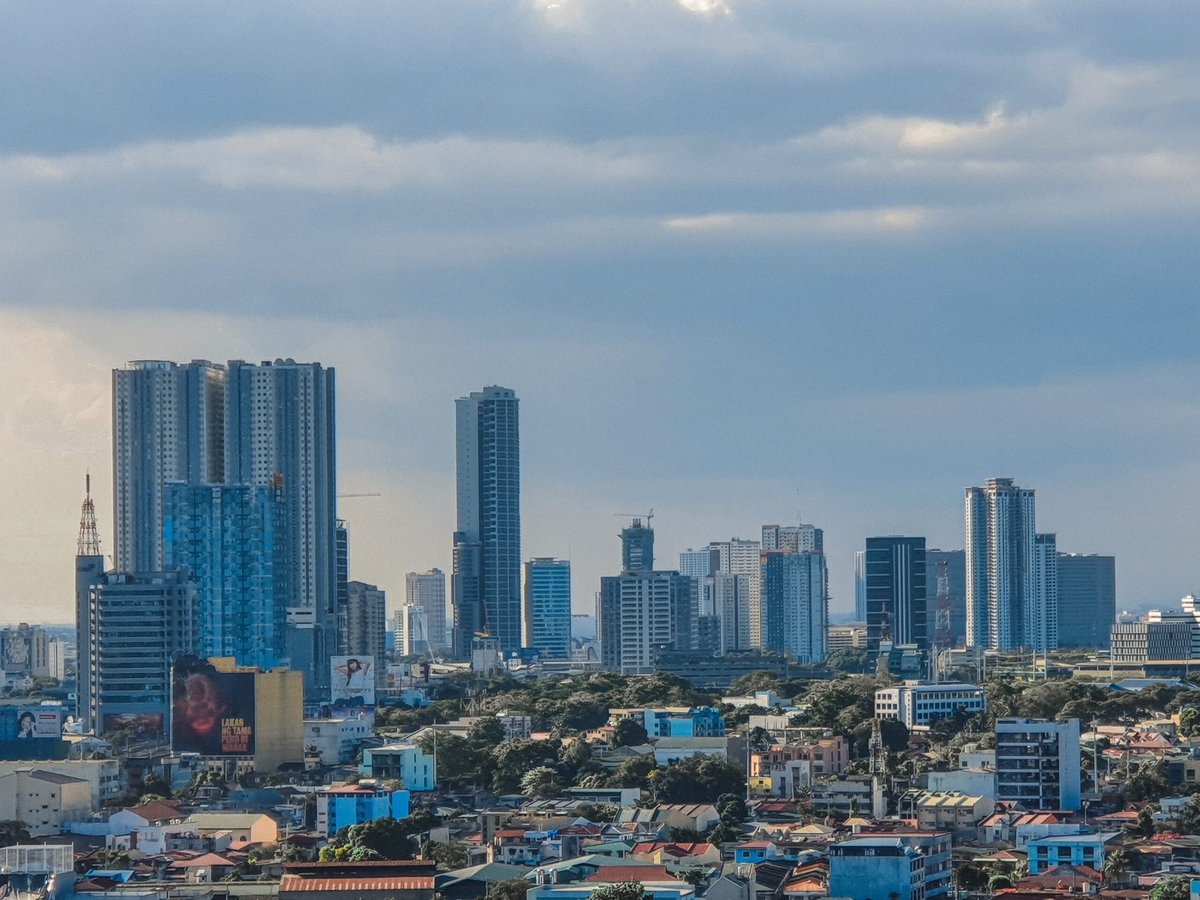
Photo by <a href="https://unsplash.com/@reymelvinwafu?utm_content=creditCopyText&utm_medium=referral&utm_source=unsplash">REY MELVIN CARAAN</a> on <a href="https://unsplash.com/photos/city-skyline-under-white-clouds-during-daytime-OAWvZyvik0Q?utm_content=creditCopyText&utm_medium=referral&utm_source=unsplash">Unsplash</a>
The economy could maintain its momentum and remain among the fastest growing in Southeast Asia which will likely be driven by faster government spending, slow inflation and a robust business environment.
Finance Secretary Benjamin Diokno on Monday expressed this optimism, saying the economy could grow by 6.5 percent to 7.5 percent this year.
He said this is despite the analysts' projections of low global economic growth at 2.9 percent due to geopolitical tensions, elevated inflation and interest rates, and weak demand for goods in some countries.
The Philippines, however, is set to maximize this year's P5.768-trillion national budget to build a strong momentum for economic growth, Diokno said.
"The government will be spending more in the early part of 2024 to help boost economic activity for the rest of the year and break the cycle of rushing its spending towards year-end," the finance secretary stressed.
The gross domestic product or GDP in the third quarter expanded by 5.9 percent from 4.3 percent in the previous quarter, following increased government spending at 6.7 percent from 0.7 percent contraction.
Infrastructure spending will be maintained at 5 to 6 percent of the GDP, Diokno said.
To generate more funds, Diokno said the DOF will continue to push for a value-added tax on foreign digital service providers, the excise tax on single-use plastics and motor vehicle road user's tax.
Maharlika, new capital source
He said additional infrastructure funds for the Philippines can come in through proceeds from the Maharlika Investment Fund with a P125-billion capital.
"The fund will optimize national funds by generating returns to support the infrastructure development agenda of the government, create jobs, promote investments, strengthen connectivity, achieve energy, water and food security and support the government's poverty reduction efforts," Diokno said.
He said activities in various sectors will also be driven by the Anti-Red Tape Authority or ARTA which is tasked to regularly report performance of government agencies on business applications in compliance with the Ease of Doing Business and Efficient Government Service Delivery Act of 2018.
"The ARTA has outlined specific measures — such as the Citizen's Charter, Report Card Survey, Zero Backlog Policy, Committee on Anti-Red Tape, and Anti-Red Tape Electronic Management Information System — to ensure smoother processes and compliance across government entities," he added.
Diokno said investments from firms are also encouraged through the Private-Public Partnership, or PPP, Code which streamlines regulations related to PPP projects on the construction, maintenance, ownership and profit-sharing between the government and businesses in providing public services.
The finance chief added more jobs can be created through the Regional Comprehensive Economic Partnership, or RCEP, and other free trade agreements with other countries as they enable companies to expand operations in the Philippines and increase exports between trade partners under low to zero tariff policies.
Meanwhile, Diokno said the Philippine debt level emerged relatively more manageable at 28.1 percent in debt-to-GDP ratio in the third quarter.
"This is lower compared to Indonesia's 28.9 percent and Malaysia's 69.0 percent in the same period," Diokno shared.
Apart from government spending, he sees consumer spending to remain strong as inflation rates fall within the 2 to 4 percent target of the Bangko Sentral ng Pilipinas, or BSP.
Monetary, fiscal authorities aligned
"This proves the effectiveness of aligned monetary and fiscal policies, as well as the efficacy of direct measures to augment domestic supply, address logistical bottlenecks, and arrest uncompetitive practices in key commodity markets," Diokno said.
The Philippine Statistics Authority reported December inflation slowed further to 3.9 percent from 4.1 percent in November last year.
The BSP estimates less than 3 percent inflation in the first quarter of this year.
Higher demand for tourism and business process outsourcing or BPO could further support consumer spending, as well as increase government revenues.
Similarly, growth in remittances from overseas Filipinos to domestic households is projected to continue.
"The Philippine peso will continue to be supported by structural inflows as BPO revenues grow by 7.0 percent, travel receipts expand by 50 percent, and remittances maintain growth of 3.0 percent based on the latest BSP outlook," Diokno said.