
‘As more Filipinos embrace digital technologies, it is almost inevitable that we will also see a rise in cyber threats. In 2022, the Philippines was ranked as the fourth country most targeted by cybercrime.’

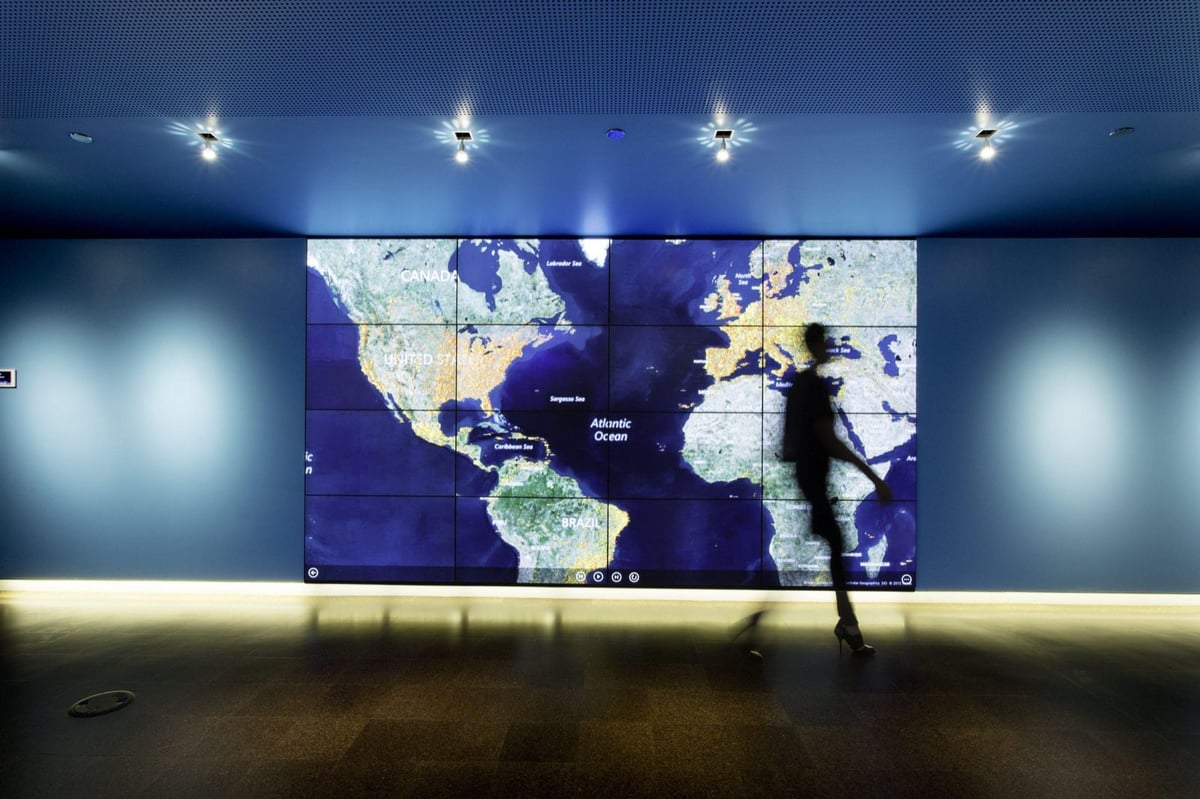
Microsoft aims to harness the power of AI to advance cybersecurity protection, transform software development processes, and advocate for a Digital Geneva Convention, setting principles and norms governing cyberspace behavior. | photograph courtesy of Microsoft
Microsoft has announced the launch of its Secure Future Initiative, a comprehensive response to the increasing speed, scale, and sophistication of cyberattacks worldwide. The initiative consists of three pillars: AI-based cyber defenses, advances in fundamental software engineering, and advocacy for more robust application of international norms to protect civilians from cyber threats.
As cybercriminals and nation-state attackers become more aggressive and innovative, critical infrastructure organizations across the globe have been targeted with sophisticated techniques. In the past two years, 40 percent of all nation-state attacks have focused on essential infrastructure, posing significant risks to communities and nations. Ransomware attempts have increased by over 200 percent, targeting more diminutive and more vulnerable organizations such as hospitals, schools, and local governments.
"The Philippines has experienced rapid digital transformation in recent years, with internet penetration reaching 73.1 percent in 2021 and over 50 million web threat attempts in 2022 alone," said Peter Maquera, chief executive officer at Microsoft Philippines. "As more Filipinos embrace digital technologies, it is almost inevitable that we also see a rise in cyber threats. In 2022, the Philippines was ranked as the fourth country most targeted by cybercrime. It has become essential to address the increasing speed, scale and sophistication of cyberattacks."
Microsoft's SFI aims to provide advanced cybersecurity solutions to help organizations and individuals in the country safeguard their digital assets and critical infrastructure. The company is committed to building an AI-based cyber shield to protect customers and countries worldwide.
The company's global network of AI-based data centers and advanced foundation AI models enable it to harness the power of AI to advance cybersecurity protection. As part of the SFI, Microsoft will accelerate its work on multiple fronts, including utilizing AI to promote Microsoft's threat intelligence, allowing for faster detection and analysis of cyber threats.
Additionally, Microsoft will employ AI as a game-changer for organizations to help defeat cyberattacks at machine speed, addressing the global shortage of trained cybersecurity professionals. With the Philippines facing a growing demand for cybersecurity experts, AI-driven solutions can help bridge the gap and improve overall security. A 2023 white paper by the International Information System Security Certification Consortium has reported that, despite the tremendous global demand for cybersecurity professionals, there is still a shortage of nearly four million cybersecurity workers compared to the roles that need to be filled.
Microsoft's Security Copilot combines a large language model with a security-specific model and can generate natural language insights and recommendations from complex data, making analysts more effective and responsive.
In addition to AI capabilities, the SFI will drive new advances in fundamental software engineering. Microsoft is transforming how it develops software with automation and AI, evolving its Security Development Lifecycle to a dynamic SDL. This will integrate cybersecurity protection against emerging threat patterns throughout the coding, testing, deployment, and operation processes.
As part of this process, over the next year, Microsoft will enable customers with more secure configurations for out-of-the-box multifactor authentication, which refers to the company's current MFA default settings. This will expand current default policies to a broader range of customer services, focusing on areas where customers need protection the most. By improving these default settings, Microsoft aims to reduce the risk of successful cyberattacks and strengthen overall security.