
Battle vs poverty moves on smoothly
The full reopening of the economy post-pandemic facilitated a 5.5 percent growth in the first three quarters of 2023, propelling the Philippines to one of Asia’s best-performing economies.
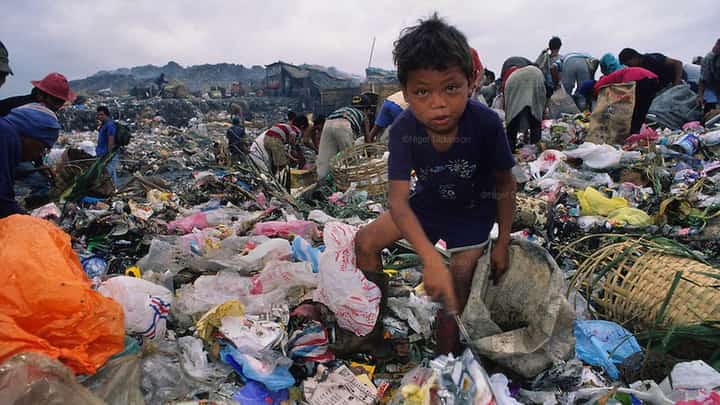
In a promising turn of events, the Philippines' poverty rate dipped from 23.7 percent in the first half of 2021 to 22.4 percent in the same period of 2023. While seemingly minimal, this translates to 25.24 million Filipinos transitioning out of poverty, bringing hope for a country grappling with widespread economic disparity.
For a family of five, the minimum basic food and non-food needs averaged P13,797 per month in the first half of 2023. This serves as a crucial benchmark for determining poverty, highlighting the stark reality faced by millions. Notably, the subsistence incidence, representing those unable to afford even basic food, also declined to 8.7 percent.
Regional glimmers
Across the archipelago, 15 out of 17 regions witnessed a decrease in poverty incidence, offering glimmers of hope for a more equitable nation. Regions like the National Capital Region, Cordillera Administrative Region and Cagayan Valley saw significant improvements, indicating targeted interventions might be yielding results.
Examining household data reveals that 16.4 percent of families, roughly 4.51 million in total, were classified as poor in the first half of 2023. The average monthly food threshold for such families stood at P9,550, emphasizing the precarious financial tightrope many walk. However, a positive trend emerged — the subsistence incidence among families dropped from 7.1 percent to 5.9 percent, signifying progress in securing basic food needs for households.
Optimistic outlook
Socioeconomic Planning Secretary Arsenio Balisacan expressed optimism, stating that the recent data keeps the Philippines on track to achieve a single-digit poverty rate by 2028. He attributed this to several factors.
The full reopening of the economy post-pandemic facilitated a 5.5 percent growth in the first three quarters of 2023, propelling the Philippines to one of Asia's best-performing economies.
Unemployment dropped to 4.2 percent in October, while underemployment dipped to 11.7 percent, indicating potential pathways out of poverty for many.
Government programs like the Targeted Cash Transfer Program, fuel subsidies, and food assistance initiatives mitigated the impact of inflation on vulnerable households.
Despite the positive trends, Balisacan acknowledged that elevated inflation in the first half partially offset the benefits of income growth. He pointed out that if inflation had remained lower for the bottom 30 percent, the poverty rate could have been significantly lower.
This highlights the delicate balancing act between economic growth and inflation control, where even small fluctuations can disproportionately impact the poorest segments.
Future strategies
Balisacan outlined the government's multi-pronged approach to achieve its single-digit poverty ambition: Effective Social Programs: Implementing initiatives like the Social Protection Floor, Trabaho Para sa Bayan Act, and Pambansang Pabahay para sa Pilipino Program will provide crucial safety nets and empower vulnerable communities.
Prioritizing investments that generate well-paying jobs will equip more Filipinos with the means to escape poverty. This involves attracting private sector investments, enhancing human capital, and improving infrastructure.
Maintaining sound fiscal and monetary policies will safeguard economic growth and create a sustainable environment for poverty reduction.
Streamlining regulations and fostering innovation will encourage entrepreneurial activity and create opportunities for Filipinos to thrive.
Long road ahead
While the decline in poverty rates offers a reason for cautious optimism, the Philippines still faces considerable challenges. The battle against poverty is a long and arduous one, requiring sustained commitment and effective implementation of targeted policies. Addressing issues like income inequality, rural-urban disparities, and climate vulnerability will be crucial in ensuring long-term progress.
It is important to remember that poverty statistics represent more than just numbers. They represent lives touched by hardship, dreams deferred, and families struggling to meet their basic needs.
Understanding the human stories behind the numbers is essential for crafting policies that are truly impactful and responsive to the needs of the most vulnerable.
Collaborative effort
The government's efforts to combat poverty deserve recognition, but ultimately, achieving single-digit poverty requires a concerted effort from all stakeholders. Civil society organizations, private businesses, and individuals can all play a role in creating a more equitable and prosperous future for all Filipinos.
By acknowledging the complexities of poverty, celebrating the progress made, and continuously striving for improvement, the Philippines can move closer to a future where the struggle for necessities becomes a distant memory for all its citizens.