 Daily Tribune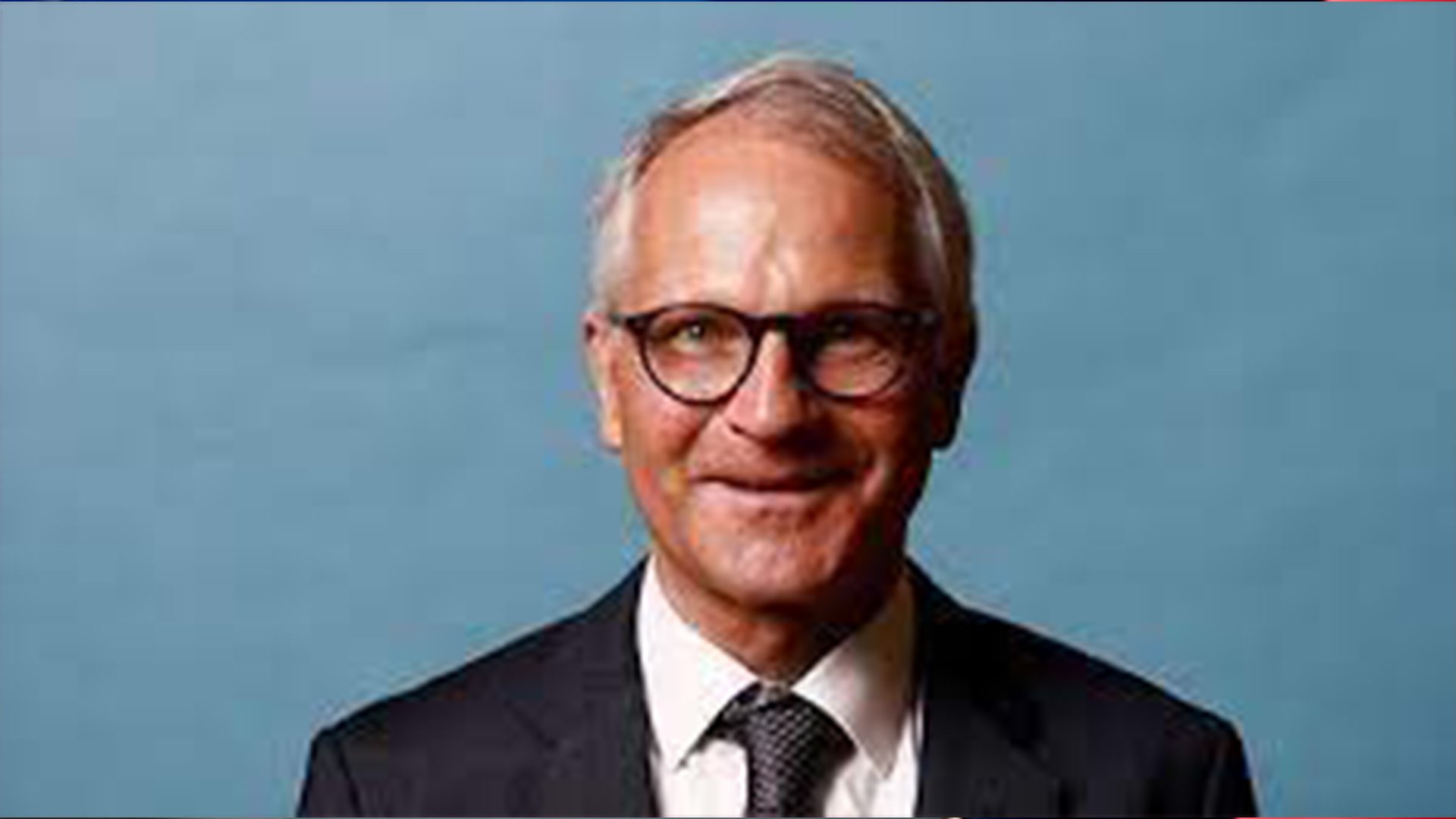
German Ambassador Dr. Andreas Pfaffernoschke Photograph Courtesy of the German Embassy Manila
The German government enacted a new Skilled Migration Law which offers more opportunities for Filipino skilled workers, the German Embassy in Manila announced on Wednesday.
German Ambassador Dr. Andreas Pfaffernoschke said notable enhancements for skilled workers from non-EU countries such as the Philippines have been put in place since last month to immigrate to Germany.
The German envoy said the new law significantly broadens opportunities for individuals seeking entry into Germany and the European Union for the recognition of their foreign professional qualifications. The phased implementation of these new regulations began in November this year.
He said the law increases potential for cooperation between the two countries apart from fighting against climate change and the promotion of renewable energy. Diplomatic ties between Germany and the Philippines started in 1954 after the Philippines gained independence in 1946.
The embassy said for workers with higher education qualifications, immigration possibilities are broadened through the EU Blue Card, featuring lowered salary thresholds, expanded eligibility, an extended list of professions and facilitated family reunification.
"We are united in our commitment to a rules-based international order, and the stable macroeconomic environment offers promising perspectives for trade and investment. Additionally, we will foster cooperation on the migration of skilled workers to Germany in technical professions," Ambassador Pfaffernoschke said.
The embassy said IT specialists can secure an EU Blue Card based on professional experience alone, without a formal qualification. Additionally, the Act ensures that skilled workers with professional or academic training are entitled to a residence permit, provided all requirements are met.
Those with completed professional qualifications or higher education can engage in any qualified employment within the non-regulated sector, and the connection between training and employment is no longer mandatory. The employment process for drivers is also streamlined.
"These amendments mark a pivotal moment in Germany' commitment to fostering inclusive immigration and strengthening ties with skilled workers from around the globe," the embassy statement said.
"Germany is welcoming skilled workers with open arms and full support," said German Embassy's Economic Counsellor Dr. David Klebs. "This law creates even better incentives for Filipino skilled workers to consider working in Germany."
Working closely with the Philippines' Technical Education and Skills Development Authority, Commission on Higher Education, and the Department of Migrant Workers, the German Embassy said it wants to make sure that immigration is fair and sustainable with a high standard of protection and equality for Filipinos starting to work in Germany.


