Little-known trivia on iconic Christmas carols
During World War I’s 1914 Christmas Eve, British soldiers sighted Christmas trees — which originated in Germany — and heard singing from the opposite camp. Messages were passed back and forth between the trenches.

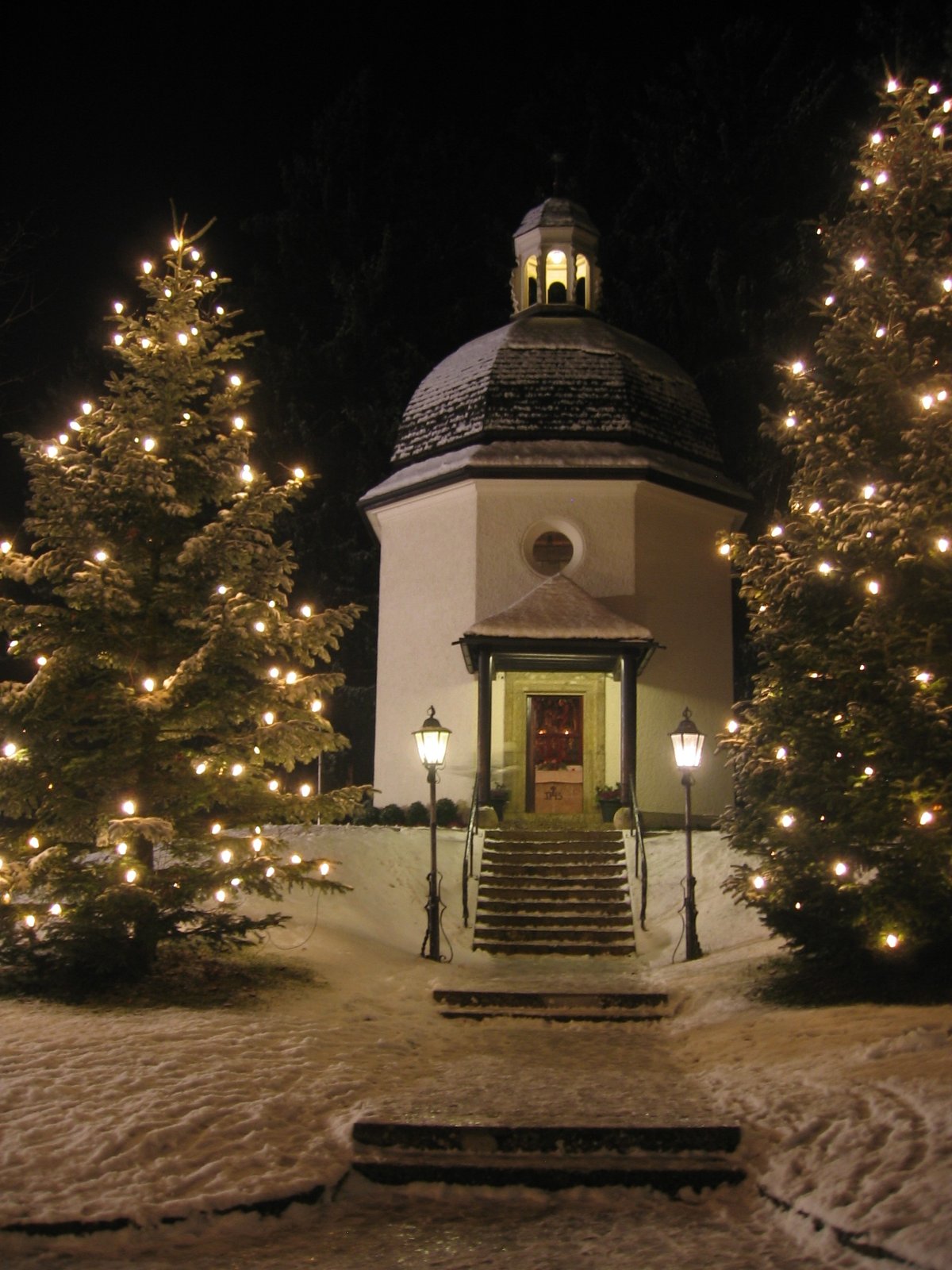
Silent Night Chapel in Oberndorf bei Salzburg, Austria. Photo by Gakuro (CC BY-SA 3.0 DEED) https://creativecommons.org/licenses/by-sa/3.0/deed.en
'Tis the season to be jolly, the popular ditty goes. Curiously enough, the Yuletide holidays is one of the few anticipated times of the year which comes with its very own soundtrack. These earworms have made their presence known in the airwaves of television, social media, malls, and even hotels, throughout the world the moment December arrives — or in our case, as early as the onset of September.
However, these radio mainstays — yes, Virginia, there are still individuals who continue to listen to the radio —all have their humble beginnings — and their subsequent rise to fame — which might just be as interesting as the tunes themselves.
Here are five details you should know to appreciate them more:
'SILENT NIGHT' — Salzburg, Austria
Originally written by Joseph Mohr and composed by Franz Gruber, this song most associated with Christmas has since been wrongly attributed to the likes of great composers such as Mozart and Beethoven. The very first performance of the carol was at the St. Nicholas Church on Christmas Eve of 1818. Today, more known as the Silent Night Chapel, it stands in the former's place as a reminder of history.
During World War I's 1914 Christmas Eve, British soldiers sighted Christmas trees — which originated in Germany — and heard singing from the opposite camp. Messages were passed back and forth between the trenches. So on the 25th, as they jointly buried casualties and remembered those who perished, the warring conscripts exchanged gifts, played football, and even drank and sang together — in their very own languages.

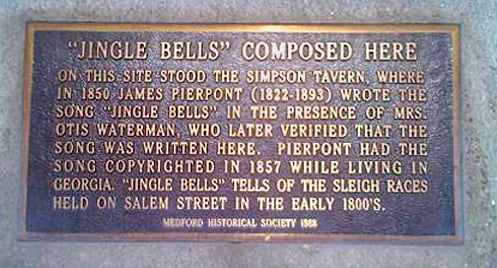
'JINGLE BELLS' — Medford, Massachusetts, USA
Penned by American songwriter James Lord Pierpont in 1850, "Jingle Bells" is arguably one of the most popular holiday melodies. However, little do we know that this was originally meant to be a Thanksgiving hymn!