




Tech revolutionizing warfare

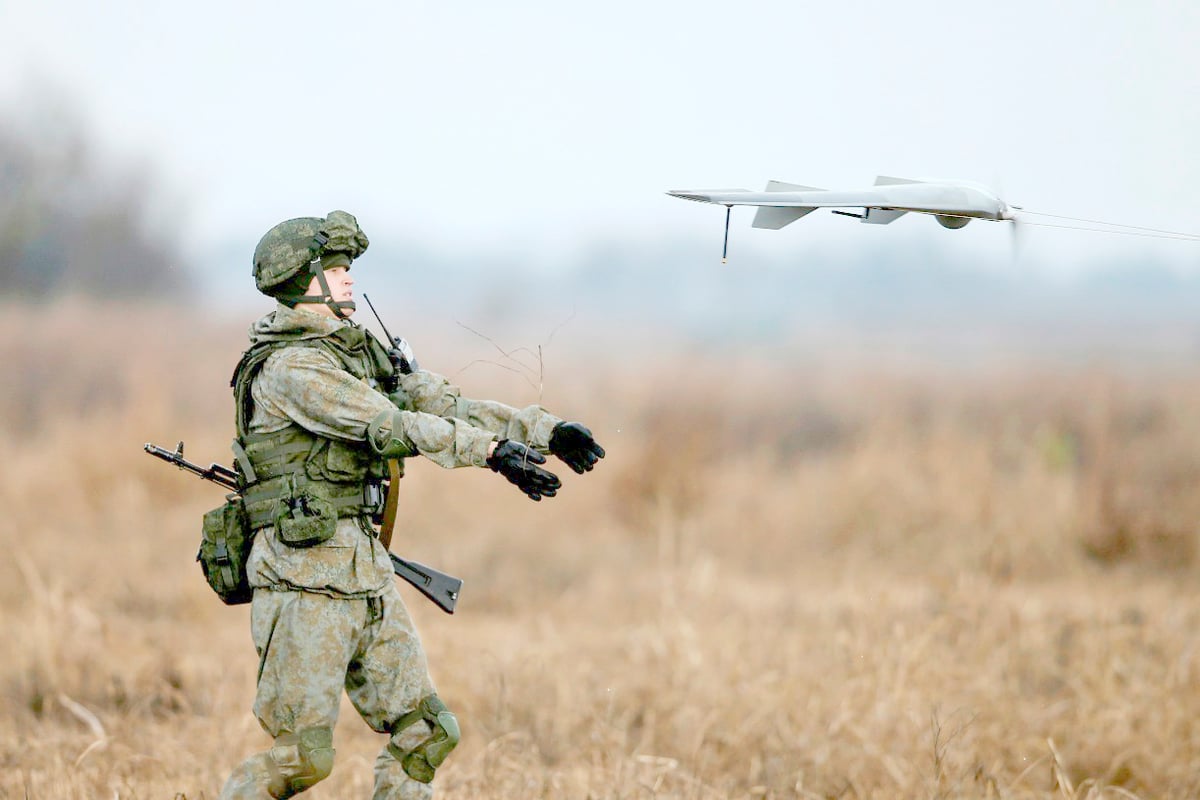
W. COMMONS TASK-SPECIFIC attack drones are seen to replace the makeshift systems being employed at present at active battlefields like those in Ukraine and Gaza Strip.
W. COMMONS TASK-SPECIFIC attack drones are seen to replace the makeshift systems being employed at present at active battlefields like those in Ukraine and Gaza Strip.
Like gunpowder and the atomic bomb, artificial intelligence has the capacity to revolutionize warfare, analysts say, making human disputes unimaginably different — and a lot more deadly.
Observers say Beijing is massively investing in AI, to the point where it may soon be able to change the balance of power in the Asia-Pacific, and perhaps beyond. And that has profound implications for a world order that has long been dominated by the United States.
"This is not about the anxiety of no longer being the dominant power in the world; it is about the risks of living in a world in which the Chinese Communist Party becomes the dominant power," said a report by a panel of experts led by former Google president Eric Schmidt.
Here are some of the possible applications of AI in the art of warfare.
Autonomous weapons
Three decades after the Marcopper mining disaster devastated Marinduque’s waterways, the province is again pressing the…
Housing is probably the biggest issue affecting people the world over.
Malacañang on Monday called for a more thorough investigation into the questioned flood control projects in Taguig…
The defense on Monday backed the move by senator-judges to exclude a prosecution witness who testified on the firearms…
Robots, drones, torpedoes… all kinds of weapons can be transformed into autonomous systems, thanks to sophisticated sensors governed by AI algorithms that allow a computer to "see."
Autonomy does not mean that a weapon might "wake up in the morning and decide to go and start a war," said Stuart Russell, professor of computer science at the University of California at Berkeley.
"It's that they have the capability of locating, selecting and attacking human targets, or targets containing human beings, without human intervention."
The killer robots of any number of sci-fi dystopias are an obvious example, but perhaps not a very practical one.
