




PhilRice scientists pitch brown rice’s health benefits
Text size
About 41 million deaths, or 71 percent of the average total global fatalities, each year are attributed to non-communicable diseases, or NCDs, like cancer, diabetes and cardiovascular diseases.
According to a 2021 study by the Philippine Science Journal, NCDs are responsible for 68 percent of deaths among Filipinos, especially those aged 30 to 70 years.
It said an unhealthy diet, including refined grains like white rice, contributes significantly to NCD deaths among Filipinos, arising from health issues like obesity, elevated blood sugar and blood pressure and dyslipidemia.
However, obesity and its related metabolic risk factors for NCDs are largely preventable with a healthy diet, for instance.
Eating whole grains like brown rice is a good way to address obesity and its related metabolic risk factors for NCDs, dieticians and health experts said.
Housing is probably the biggest issue affecting people the world over.
Malacañang on Monday called for a more thorough investigation into the questioned flood control projects in Taguig…
The defense on Monday backed the move by senator-judges to exclude a prosecution witness who testified on the firearms…
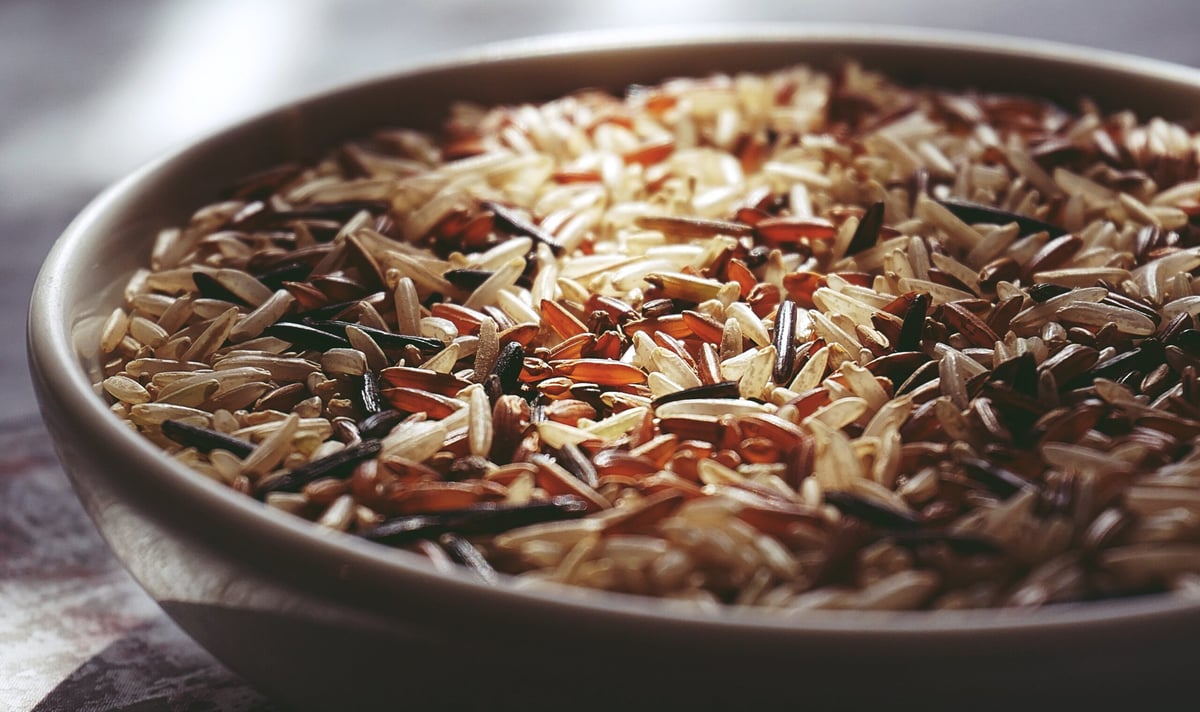
Scientists from the Philippine Rice Research Institute (PhilRice) attested to the fact that brown rice is beneficial to one's health as it contains a lot of vitamins, minerals, and other nutrients.
"It indeed chelates minerals, including calcium, iron and zinc, inhibiting their absorption in the small intestines," said PhilRice scientist Rosaly Manaois of the Rice Chemistry and Food Science Division, referring to phytic acid, an antinutrient found in brown rice.
"Thus, it is not recommended for vulnerable populations (young children, pregnant and lactating mothers, and others with micronutrient deficiency)," she explained.
Manaois added that approaches to reduce PA in rice are being done, including breeding for low-PA rice and processing techniques, particularly soaking and germination of brown rice.
During germination, the phytase enzyme that hydrolyzes or "degrades" the PA is activated, thus resulting in improved mineral bioavailability of brown rice.
PhilRice Chief Science Research Specialist Marissa Romero of the Rice Chemistry and Food Science Division said that brown rice has higher nutrients, including minerals, but it also contains PA, which can chelate minerals.
PhilRice has collaborated with the Adventist University of the Philippines in conducting the first randomized controlled investigation on the effects of brown rice consumption on metabolic risk factors for NCDs in selected overweight and obese Filipino adults.
She said the group that consumed brown rice had better health indicators (blood pressure, body mass index, visceral fat, etc.) than those who ate white rice.
Romero said the shift to brown rice can be done gradually by mixing it with white rice until an all-brown rice diet becomes palatable.
