




Cebu LGUs told: Crack whip vs illegal quarrying
Based on the Revenue Code of the Province in 2008, the LGUs through their municipal treasurer or deputy have the authority to inspect, seize and impound such vehicles if believed to have violations
Based on the Revenue Code of the Province in 2008, the LGUs through their municipal treasurer or deputy have the authority to inspect, seize and impound such vehicles if believed to have violations
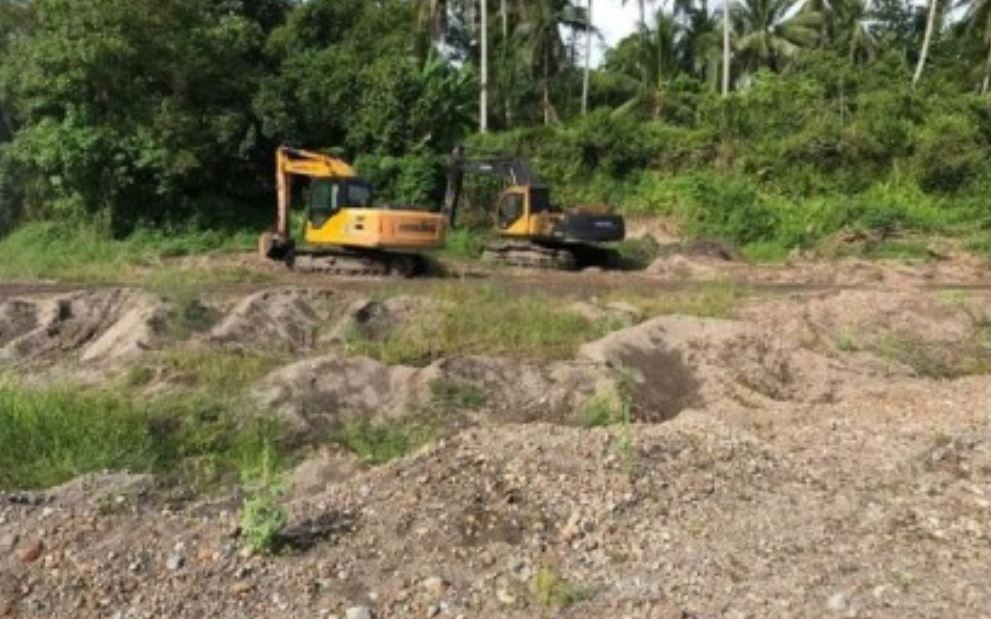
The provincial government of Cebu disclosed on Monday that it will be providing additional revenues to local government units in the province that will intensify the campaign against illegal quarry operations.
Cebu Governor Gwendolyn Garcia — in a meeting with mayors recently — admitted that despite the establishment of a task force, the province still faces challenges due to shortage of personnel to monitor all entry and exit points which prompted her to ask the LGUs' help.
She proposed a revenue-sharing scheme from the penalties imposed.
The governor also stressed that aside from illegal quarry operations, the LGUs are directed to intensify monitoring and apprehension of delivery trucks or vans of various goods entering and exiting the province without the necessary permit.
"I am asking for your help; you can put up your own checkpoints and by doing so you can have a share of revenue. We are expecting this will lead to an increase in apprehension only if each LGU will monitor, so this increases your revenue also," Garcia said.
Based on the Revenue Code of the Province in 2008, the LGUs through their municipal treasurer or deputy have the authority to inspect, seize and impound such vehicles if believed to have violations.
However, the governor clarified that the code does not contradict President Ferdinand Marcos Jr.'s Executive Order 41, ordering all LGUs to suspend the collection of "pass-through fees" ensuring the efficient movement of goods across regions that will revitalize local industries.
Provincial legal officer Donato Villa said that penalties and fines for operators can reach a minimum of P50,000, resulting from the accumulation of five different violations, each incurring a P10,000 penalty. This could increase to P60,000 if these illegal operators dredged the soils and minerals from riverbeds.
He cited "Article H" of the Revenue Code stated that the province is entitled to an annual fixed tax for every delivery and hauling truck or van of manufacturers or producers, wholesalers, dealers or retailers.
Three decades after the Marcopper mining disaster devastated Marinduque’s waterways, the province is again pressing the…
Housing is probably the biggest issue affecting people the world over.
Malacañang on Monday called for a more thorough investigation into the questioned flood control projects in Taguig…
The defense on Monday backed the move by senator-judges to exclude a prosecution witness who testified on the firearms…
