




Is it menopause?
Menopause is a transformative journey that every woman will experience. While it comes with its share of challenges, it is a natural and inevitable part of life.


Text size
Menopause is a transformative journey that every woman will experience. While it comes with its share of challenges, it is a natural and inevitable part of life.
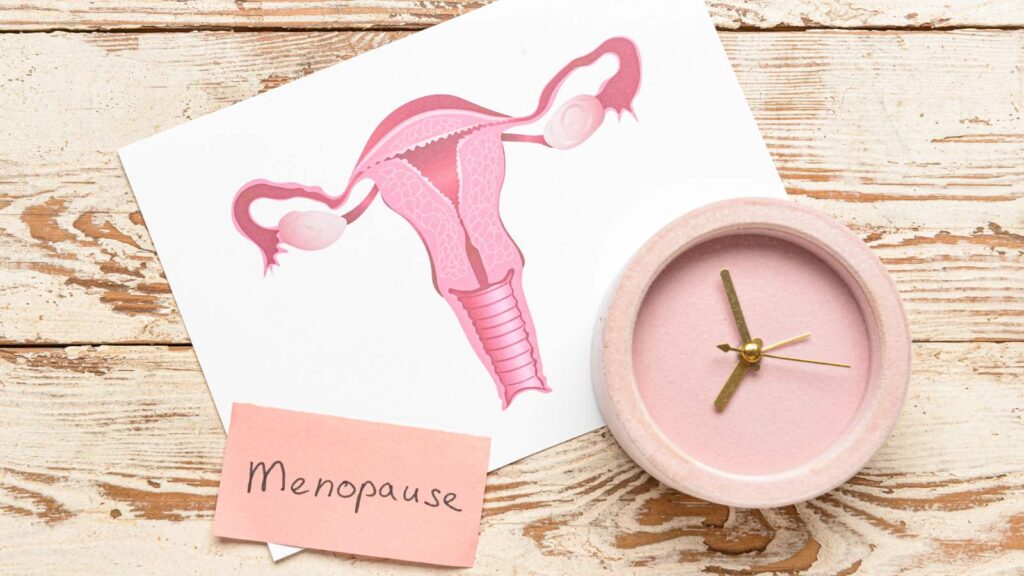
With each passing birthday I get closer and closer to that midlife transition known as menopause, and whenever I feel unusually warm, I wonder if it is finally happening.
Menopause is the time when a woman no longer has menstrual cycles for 12 continuous months.
It is a natural biological process and is not a disease. The average age of menopause for Filipino women is 49 years old, and the changes can begin between in the early 40s, with symptoms starting three to five years before menses stop and can even last for an average of seven years up to 14 years after the menses stop.
One of the most commonly associated symptoms of menopause are hot flashes — a feeling that typically begins as a sudden sensation of heat centered in the upper chest and face that rapidly spreads all over the body. The sensation of heat lasts about two to four minutes and is often associated with profuse sweating and occasionally palpitations, sometimes followed by chills and shivering and a feeling of anxiety. Hot flashes usually occur several times per day and are particularly common at night and can interfere with sleep.
While hot flashes are the most common symptom of menopause, it is not the only symptom. Once the menses start becoming irregular, women can feel irritable and have mood swings, trouble sleeping, joint pain, incontinence, memory loss and depression. Some may have trouble describing their symptoms, and they may consult with a number of specialists — from cardiologists to gastroenterologists, endocrinologists and psychiatrists.
Three decades after the Marcopper mining disaster devastated Marinduque’s waterways, the province is again pressing the…
Housing is probably the biggest issue affecting people the world over.
Malacañang on Monday called for a more thorough investigation into the questioned flood control projects in Taguig…
The defense on Monday backed the move by senator-judges to exclude a prosecution witness who testified on the firearms…
Menopause can also occur after surgical removal of the ovaries. If you have surgery to remove your uterus (hysterectomy) you will no longer have periods, but if your ovaries are left behind you can still go through perimenopause and menopause later on. If your ovaries are also removed during a hysterectomy, you may experience symptoms of menopause immediately.
The management of menopause varies from person to person and depends on the severity of symptoms and a woman's overall health. Several approaches can be considered:
1. Lifestyle changes. Many women find relief from symptoms by adopting a healthy lifestyle, including regular exercise, a balanced diet and stress reduction techniques.
2. Maintaining an appropriate weight for your height.
3. Hormone replacement therapy. This involves taking medications that replace the hormones (estrogen and sometimes progesterone) that decline during menopause. It can effectively relieve symptoms but carries some risks and is not suitable for everyone.
4. Non-hormonal medications. Some non-hormonal medications can help alleviate specific symptoms, such as antidepressants for mood swings or prescription creams for vaginal dryness.
5. Alternative therapies. Some women explore alternative treatments like acupuncture, herbal supplements or natural remedies to manage their symptoms, though the efficacy of these methods can vary.
6. Regular health checkups. It's crucial for women in menopause to maintain regular health checkups, as this life stage can be associated with an increased risk of certain health conditions, such as heart disease and osteoporosis.
A visit to your doctor can help to find out if you could be going through perimenopause. If have any of the symptoms but are younger than 45 years old, these may not be due to menopause but other hormone problems. Your doctor can order some blood tests to check your hormone levels to determine the cause of your symptoms.
Menopause is a transformative journey that every woman will experience. While it comes with its share of challenges, it is a natural and inevitable part of life. Understanding the phases, symptoms, causes and management options for menopause can empower women to make informed decisions and embrace this new phase with confidence and grace. It is also important for women to seek support, whether from healthcare professionals, support groups or loved ones, to navigate this significant life transition successfully.
